Punjab’s move to outlaw 20-kilogram flour bags and tighten border checks on wheat flows is a direct attempt to plug leakages in one of Pakistan’s most politically sensitive food markets, where smuggling and uneven supply can quickly turn into price spikes.
Punjab Bans 20-Kg Flour Bags, Tightens Wheat Checks
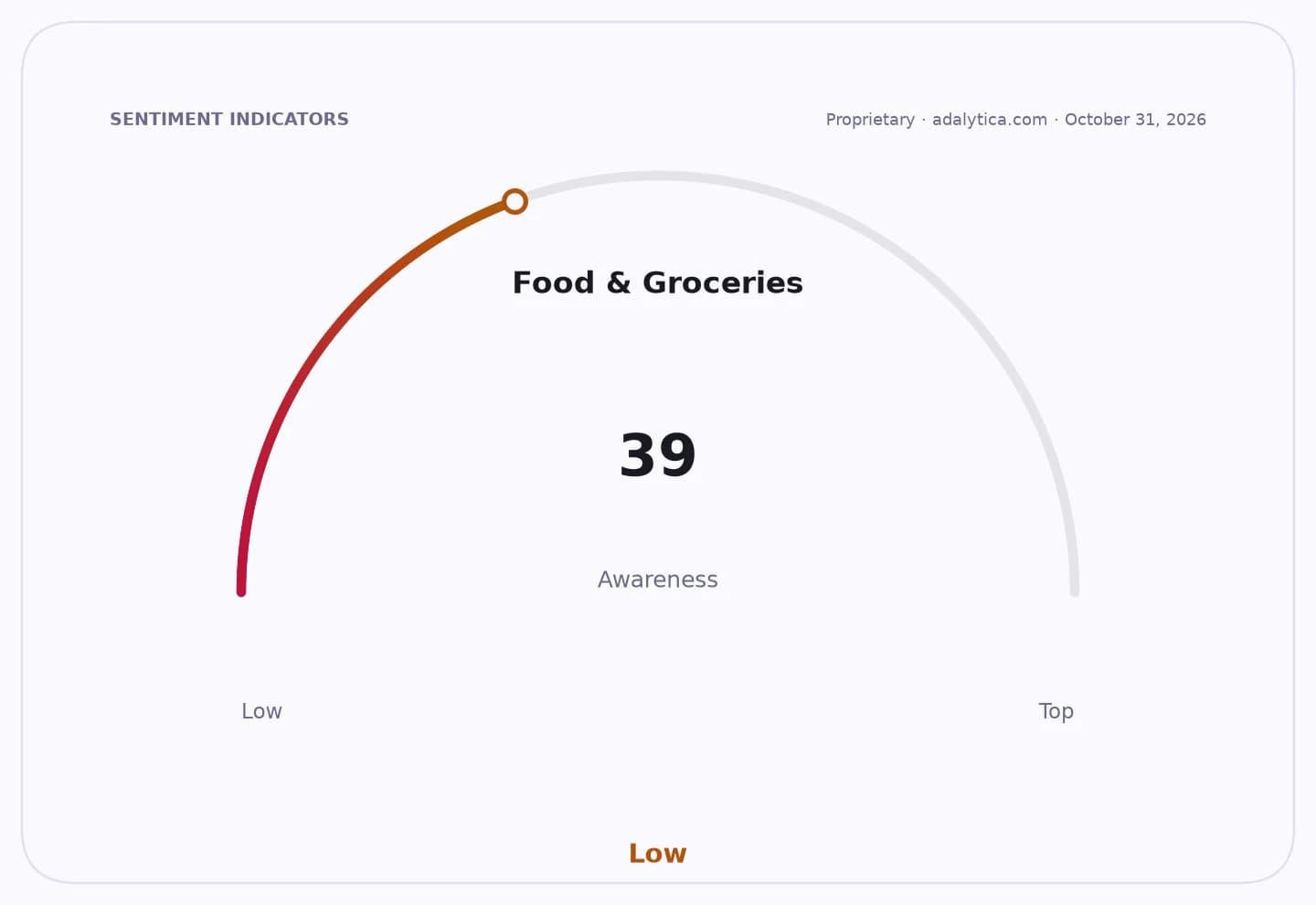
Food & Groceries
The policy matters economically because wheat and flour sit at the center of household inflation in Pakistan, and the province is trying to prevent subsidized grain from being diverted across borders or into informal channels. By restricting sales to 10kg bags only, the government is also making it harder for traders to move large volumes discreetly, a sign that authorities believe enforcement, not just pricing, is now central to keeping bread-and-butter inflation in check.
Sentiment Indicators
Punjab Chief Minister Maryam Nawaz also ordered deputy commissioners to meet wheat cultivation targets, including on government-owned land, showing the province is trying to address both sides of the supply equation: production and distribution. The timing is important ahead of Ramazan, when demand for staple foods and fresh produce typically rises, putting extra pressure on inventories and retail prices. The administration said prices of 10 essential commodities were already trending lower, but wheat remains the most sensitive item in the basket.
For investors and agribusiness players, the implications are mixed. A tougher anti-smuggling push could support formal millers, regulated flour distributors and licensed storage operators by reducing illegal competition and improving visibility on supply. But it could also raise compliance costs and leave traders exposed to tighter inspections and administrative disruptions if enforcement is uneven at provincial borders. In the near term, the market will watch whether the move actually narrows informal flows or simply shifts them to smaller, harder-to-monitor shipments.
The broader narrative is that Punjab is moving from reactive price management to a more interventionist food-security strategy, combining enforcement, production targets and retail controls. The province is also pushing related measures — dehydration projects, Mandi Marts, market-waste recycling and tighter oversight of loose milk — which suggests a wider effort to modernize agricultural marketing while preserving political control over essential food prices.
If sustained, the policy could help stabilize flour availability and reduce volatility during the Ramazan period. But its success will depend on whether border monitoring, storage discipline and wheat procurement improve enough to outpace smuggling incentives and seasonal demand.
| Entity | Gains | Losses |
|---|---|---|
| Punjab consumers | ▲Better flour availability | ▼Less risk of shortages |
| Formal millers and regulated sellers | ▲Lower illicit competition | ▼Higher compliance burden |
| Smugglers and informal traders | ▲— | ▼Tighter enforcement |
| Provincial government | ▲Price-control credibility | ▼Enforcement and monitoring costs |