Qatar is signaling that LNG exports may be restarting after a cargo ship crossed the Strait of Hormuz and left the Persian Gulf, a step that could relieve a supply shock in one of the world’s most important gas corridors.
Qatar LNG Shipments May Resume Through Hormuz

The vessel, Al Maruna, loaded LNG in Qatar earlier last month and was reported in the Gulf of Oman on Sept. 8, with arrival at Pakistan’s Port Qasim scheduled for Sept. 10. Several Qatari ships without LNG cargo have also been seen returning toward the Gulf in recent weeks, reinforcing expectations that Doha may resume shipments through the waterway after exports were halted following an attack on a tanker in late July.
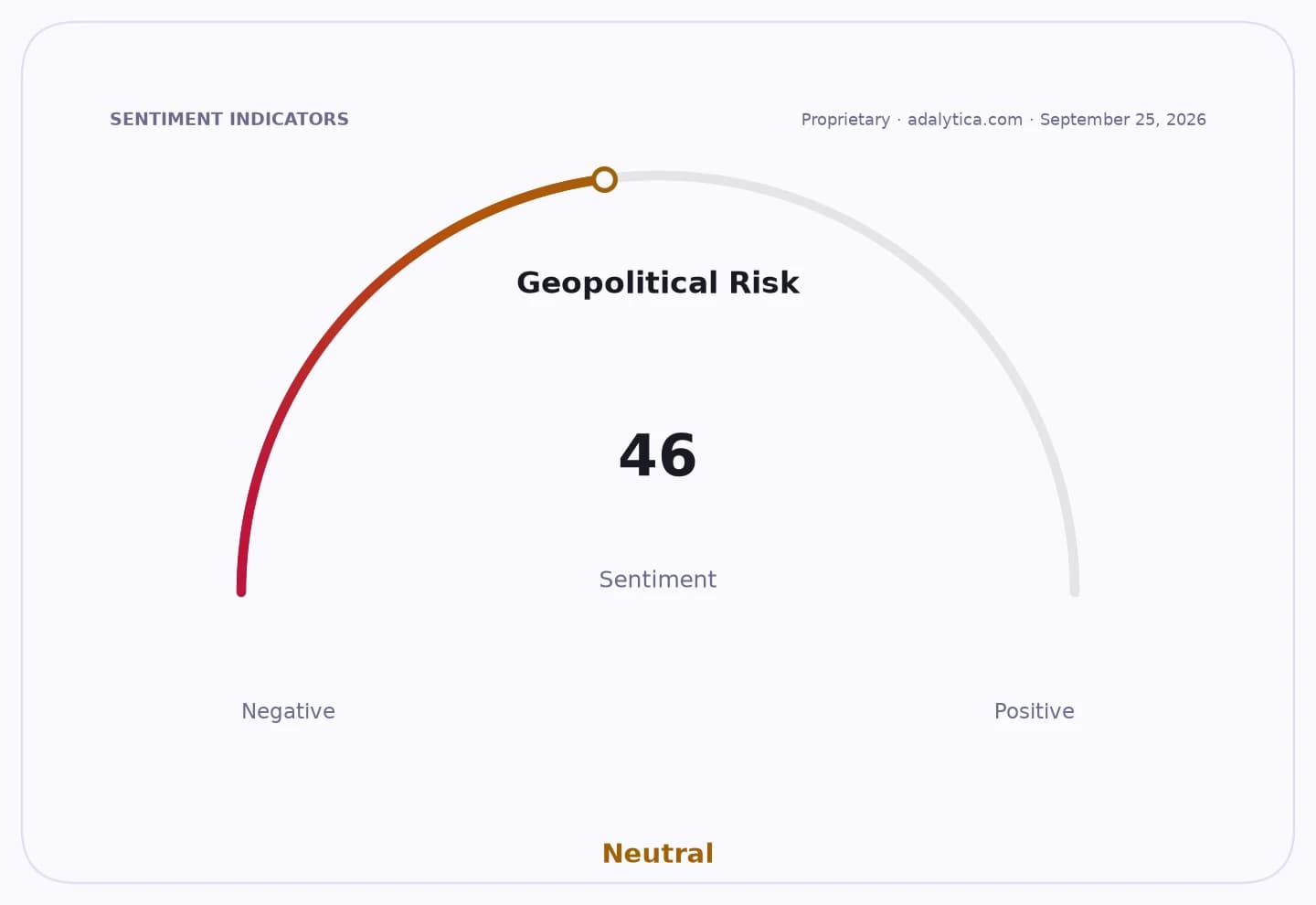
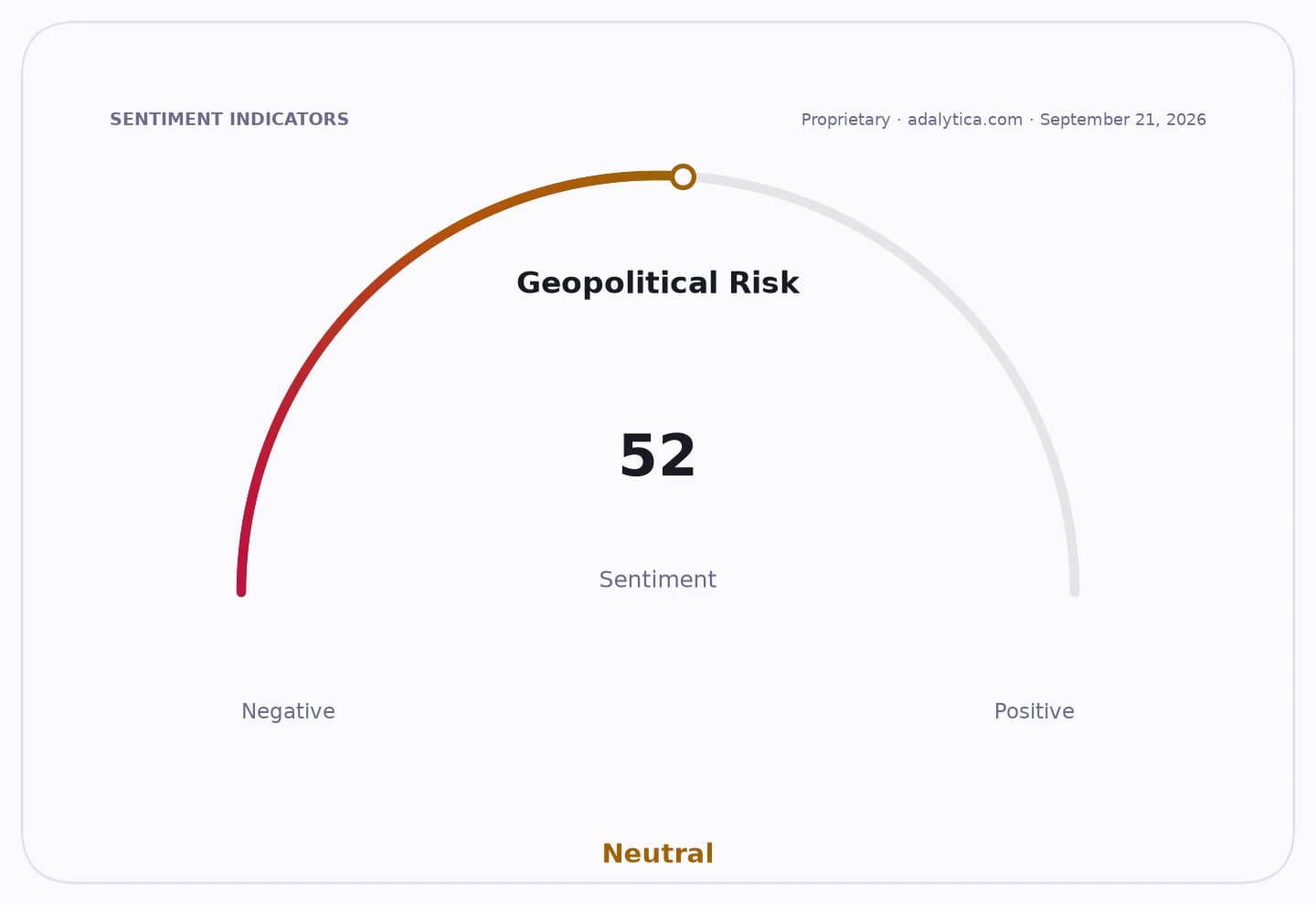
Sentiment IndicatorsⓘProprietary · adalytica.com · September 10, 2026
This is a snapshot — live sentiment, awareness and momentum for 130+ markets update continuously in the dashboard.Open AlphaPulse
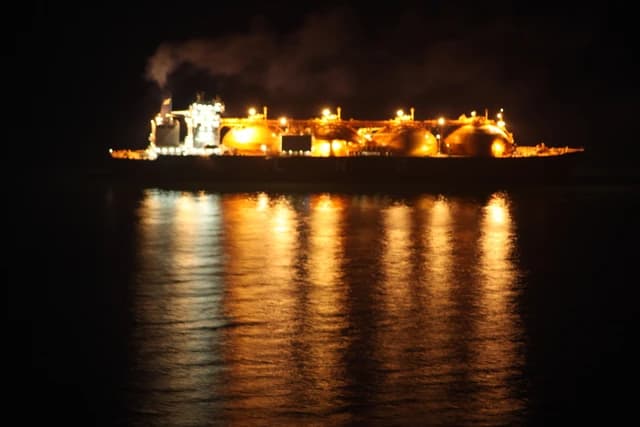
The move matters because Qatar is one of the most important LNG suppliers globally and traditionally accounts for about one-fifth of world export volumes. Any sustained restart through Hormuz would reduce the risk of tighter winter balances in Europe and Asia, where buyers have already been paying up for supply as force majeure declarations and shipping disruptions keep the market nervous.
For investors, the main read-through is lower tail risk in LNG prices and a potential easing of volatility across gas-linked equities, shipping and utilities. U.S. LNG exporters such as Cheniere Energy, which have benefited from strong pricing and tight supply, could see sentiment cool if the market starts to price in a more reliable Qatari flow, even if the medium-term demand backdrop remains firm.

Qatar told European and Asian customers last month it would extend force majeure protections through October, underscoring that the disruption has not fully cleared. Iran’s separate push to strike a vessel-traffic agreement with Oman has also added a geopolitical wrinkle, with some market participants worrying it could strengthen Tehran’s leverage over the strait and draw a response from Washington.
Natural-gas gauges remain sensitive to any sign that Middle East flows are normalizing, but the broader message is that supply risk is still the key price driver. If Qatar restores regular LNG loadings through Hormuz, the market could quickly shift from panic over lost barrels to focus on how much of the elevated risk premium is actually warranted.
| Entity | Gains | Losses |
|---|---|---|
| Qatar LNG exporters | ▲Restore shipments | ▼Lose leverage from scarcity |
| European and Asian buyers | ▲Better supply security | ▼Less chance of ultra-tight pricing |
| LNG bulls / long positions | ▲Fewer disruption fears unwind slowly | ▼Elevated risk premium fades |
| U.S. LNG exporters | ▲Stable long-term demand backdrop | ▼Softer spot-price tailwind |