QatarEnergy is hunting for long-term liquefied natural gas supply contracts to cover a possible multi-year production shortfall at Ras Laffan, a move that could reshape LNG trade flows and tighten the market for spot cargoes through 2031.
QatarEnergy seeks LNG supply contracts through 2031

The company is seeking between 2 million and 3 million tons a year of LNG under agreements that would run until 2031, according to three trade and energy sources cited by Reuters. The urgency reflects expectations that repair work at Ras Laffan, damaged in Iranian attacks, could take three to five years, leaving QatarEnergy with a gap it wants to plug with imported or third-party LNG.
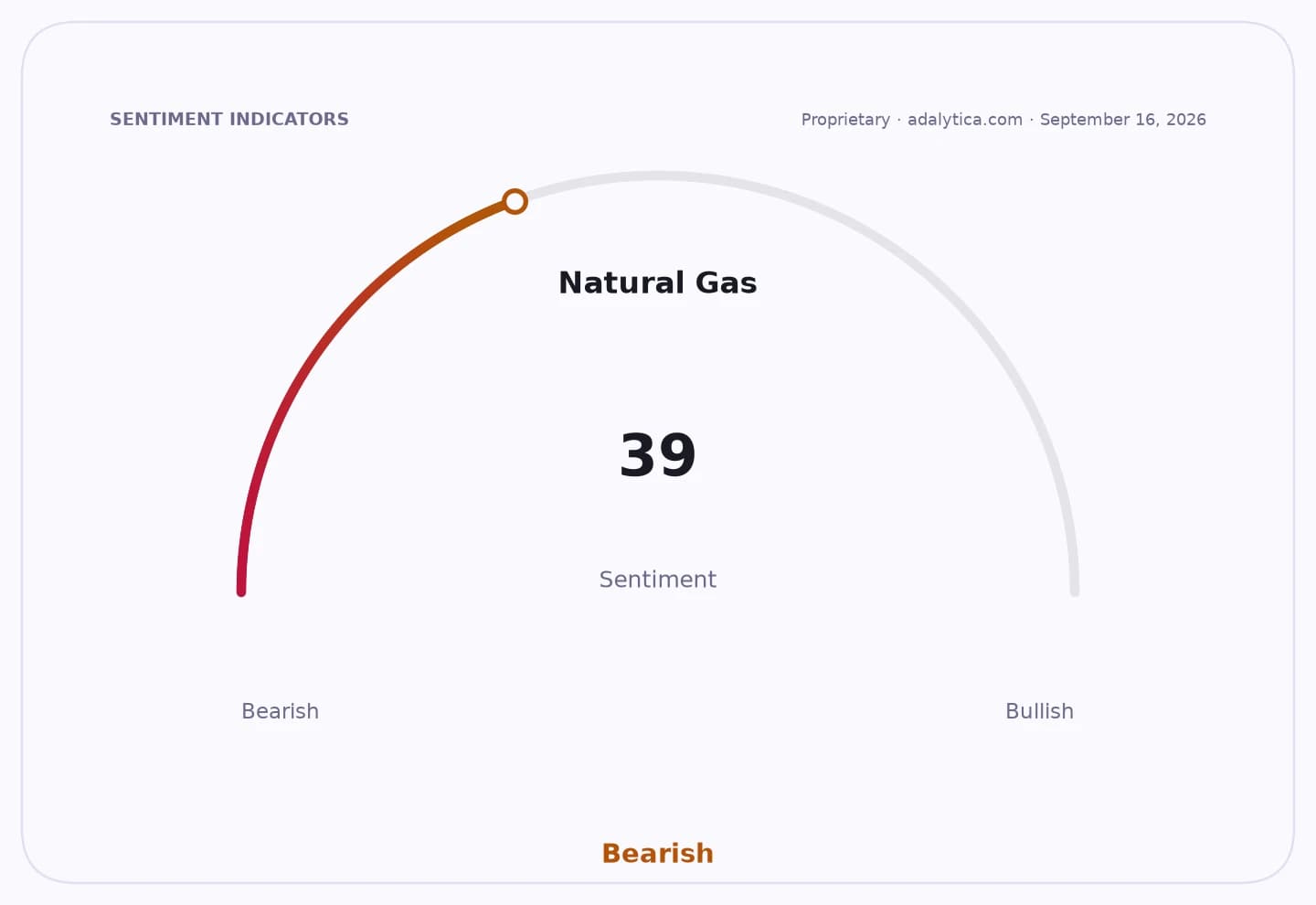
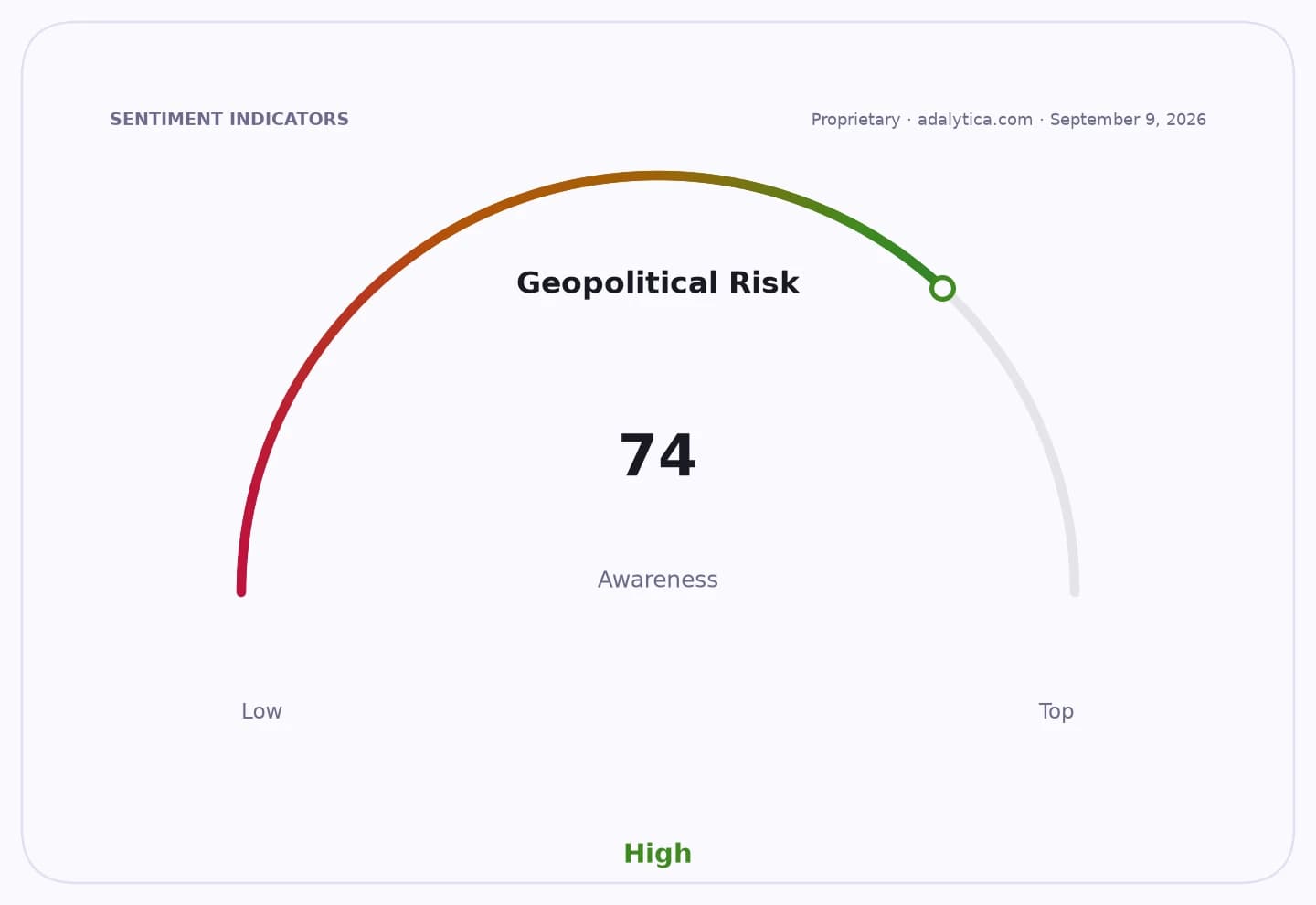
Sentiment IndicatorsⓘProprietary · adalytica.com · September 14, 2026
This is a snapshot — live sentiment, awareness and momentum for 130+ markets update continuously in the dashboard.Open AlphaPulse
QatarEnergy has been speaking with Venture Global, Cheniere, Woodside and other US producers, the sources said. For sellers, the talks highlight how one of the world’s biggest LNG exporters is turning into a buyer to protect volumes; for buyers, it underscores how geopolitical damage can quickly redirect supply from long-term exporters into the spot and contract market.
The timing matters for the wider gas market. LNG prices have been volatile amid supply disruptions and tighter availability, while demand growth in Asia keeps drawing cargoes away from Europe and other buyers. Any sustained QatarEnergy procurement would add support to long-term contract pricing and could further strain a market already sensitive to outages, project delays and policy changes, including Australia’s plan to withhold 20% of LNG exports from 2028.
Investors are also likely to watch the implications for listed LNG names and shipping flows. Cheniere, Woodside and Venture Global stand to gain from incremental long-term sales, while buyers facing exposure to higher LNG prices could feel pressure on margins and procurement costs. Shares of LNG-linked companies have been firm as traders weigh tighter supply against resilient demand.
For QatarEnergy, the strategy suggests it is trying to preserve contractual reliability despite a physical setback at Ras Laffan that may last years, not months. The next catalyst will be whether the company locks in volumes with US exporters and on what pricing terms, as the market gauges how much of the missing supply can be replaced before 2031.
| Entity | Gains | Losses |
|---|---|---|
| QatarEnergy | ▲Protects LNG volumes | ▼Faces higher procurement costs |
| Cheniere / Venture Global / Woodside | ▲Secures long-term sales | ▼Tighter supply flexibility |
| LNG buyers in Asia/Europe | ▲Potential supply access | ▼Upward pressure on prices |
| Spot market sellers | ▲Near-term pricing support | ▼Less volume available |