A new mortgage policy at Rabobank and unit Obvion will sharply reduce what many borrowers aged 53 and older can borrow, threatening moving plans and refinancing options in the Netherlands just as housing affordability remains stretched.
Rabobank and Obvion tighten mortgage rules for 53+

From March 2027, the lenders will base affordability calculations on expected pension income 15 years before retirement, rather than 10 years now, according to calculations cited by comparison site Independer. Because pension income typically runs about 30% below salary, the change can push maximum loan sizes down by tens of thousands of euros for households near retirement.
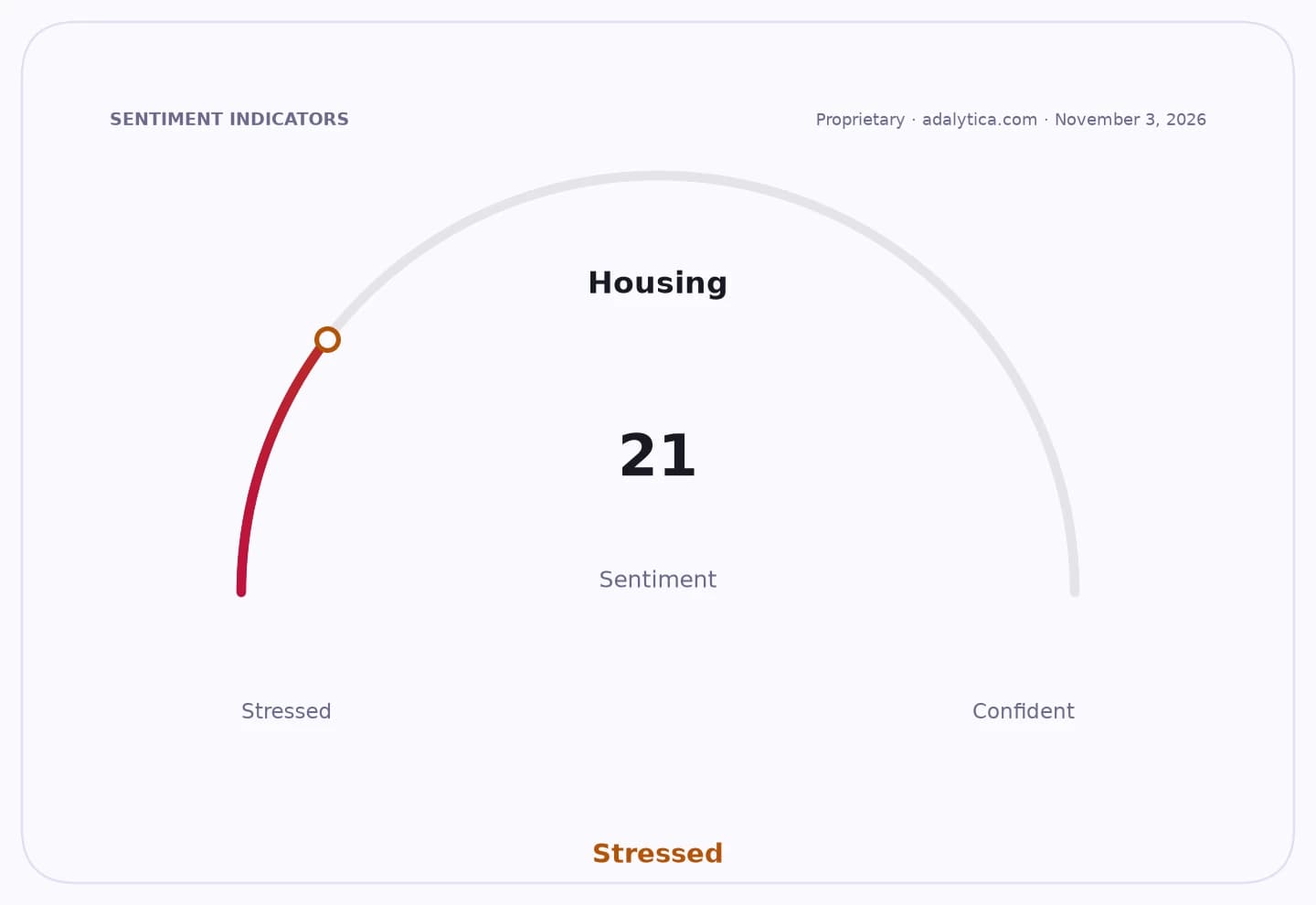
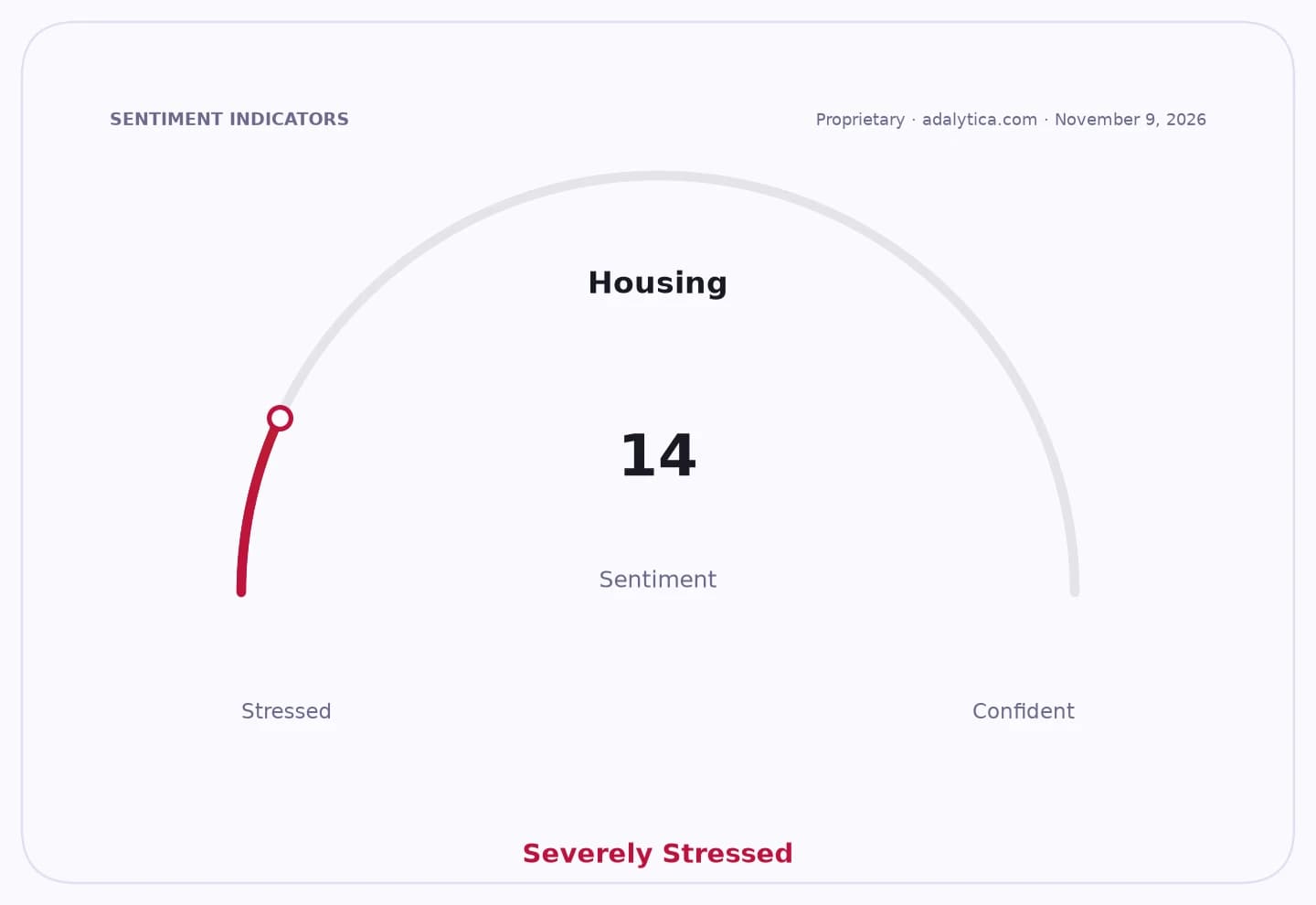
Sentiment Indicators
The shift matters because it tightens credit at the exact point many older homeowners seek to trade up, downsize or tap home equity. Dutch regulators have been pushing lenders to account more explicitly for age and income when assessing mortgage risk, but Rabobank’s interpretation appears stricter than the current industry norm and could set a benchmark others follow.
Independer mortgage expert Marga Lankreijer-Kos said the rule means “in very many cases” people aged 53 and up will be able to borrow less, potentially blocking moves into more suitable housing. She said individualized assessments would be fairer for some borrowers, even if the principle of guarding against payment problems after retirement is understandable.
A worked example shows the scale of the change. A couple both aged 53, earning a combined gross income of €80,000 a year and holding €350,000 in home equity, would have needed a €300,000 loan to buy a €650,000 retirement-friendly apartment. Under the old 10-year rule, that would have been possible. Under the new 15-year rule, the maximum loan falls to €230,000, leaving them €70,000 short.
That hits a large and politically sensitive group of households: older owners with substantial equity but still-active careers. For the mortgage market, it could slow transactions, reduce mobility and make it harder for consumers to finance retirement housing upgrades at a time when elevated borrowing costs already strain demand.
Borrowers with a fixed-rate period ending before March 2027 may still switch to another lender without the stricter calculation, while existing Rabobank and Obvion customers can consider refinancing. But homeowners who locked in cheap long-term rates a few years ago are likely to be the hardest hit, because refinancing now would mean accepting today’s higher interest rates.
The policy also underscores how mortgage lenders are balancing credit risk against access to housing as pension-income assumptions become more important in underwriting. If peers follow Rabobank’s lead, the squeeze on older buyers could spread across the Dutch market.
| Entity | Gains | Losses |
|---|---|---|
| Rabobank / Obvion | ▲Lower long-term credit risk | ▼Fewer mortgage originations |
| Borrowers aged 53+ | ▲More prudent lending rules | ▼Smaller loans, delayed moves |
| Competing lenders | ▲Chance to attract switchers | ▼Pressure to tighten standards |
| Dutch housing market | ▲Less retirement-age default risk | ▼Slower transactions and mobility |