Pensioners in Arad are taking out loans at nearly three times their five-year average, a sign that rising household costs are forcing older Romanians to bridge basic expenses with debt.
Arad pensioners borrow more as living costs rise
Consumer Spending
The average loan at the county-based pensioners’ mutual aid house, CARP Arad, has climbed to 7,000 lei from 2,500 lei over the past five years, according to the organization’s leadership. More than 2,000 pensioners used its lending facilities in the first 10 months of the year, with roughly a third of the group’s 6,500 paying members now relying on loans.
Sentiment Indicators
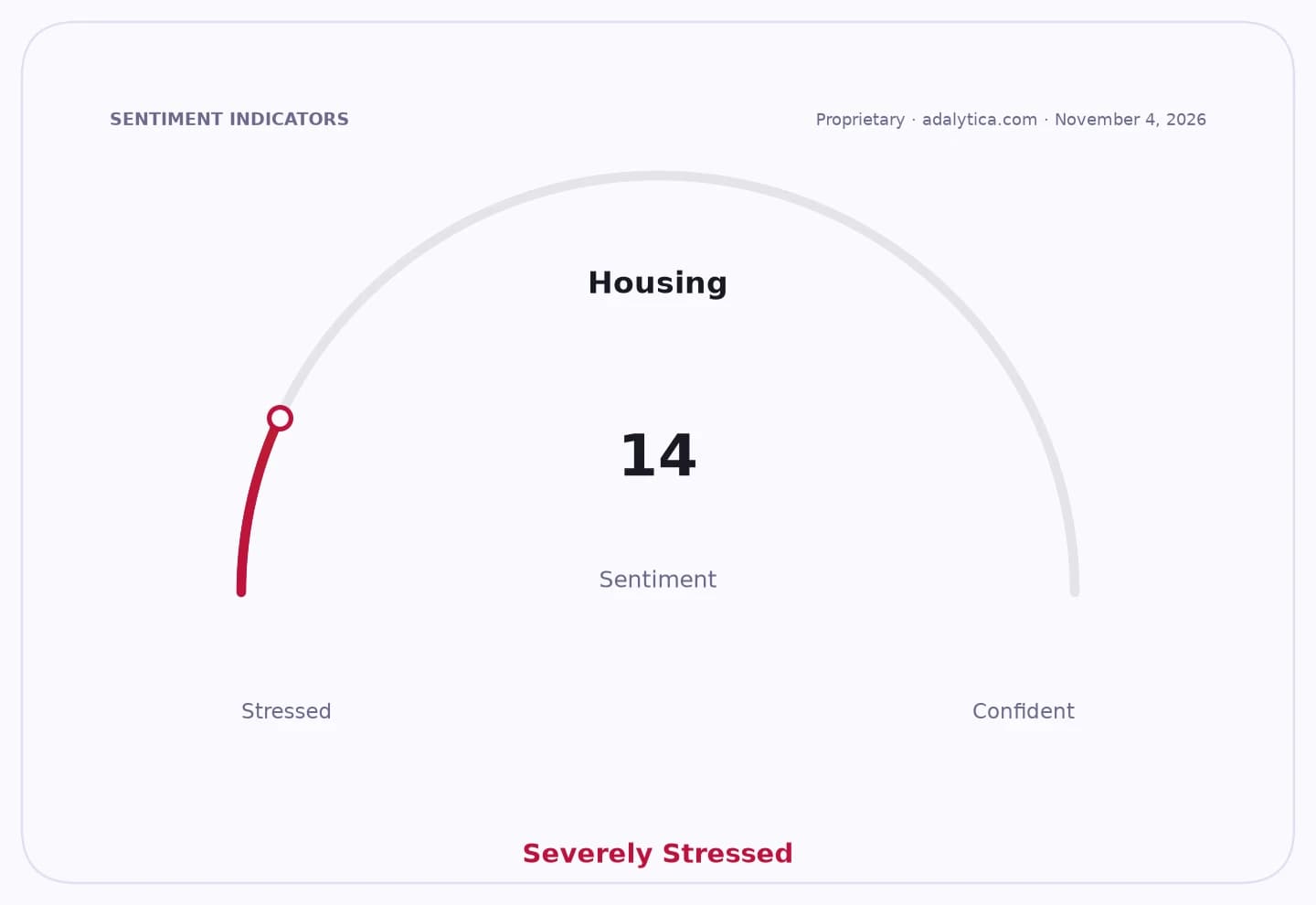
That matters economically because it points to a squeeze in real purchasing power that is showing up first among households with fixed incomes. Energy and heating bills, along with medical treatment costs, are absorbing a growing share of monthly cash flow, leaving retirees to borrow against future income just to keep up with current obligations. With repayments due over 12 monthly instalments, the loans are short-term relief rather than a solution, and the fact that many borrowers seek refinancing after about six months suggests the strain is persistent, not temporary.
The message is consistent with a broader inflationary environment in which living costs remain high even as headline measures have eased from earlier peaks. Faring poorly under that pressure are consumers with little flexibility to cut spending, while businesses selling essentials benefit from sticky demand and lenders face a more fragile borrower base. For policymakers, the trend is a warning that domestic demand may look firmer on paper than it feels for pensioners whose income does not adjust quickly enough to keep pace with utility and healthcare costs.
For investors, the immediate relevance is less about one local lender than about the quality of consumption in Romania and similar economies. A growing reliance on borrowing to pay routine expenses can eventually feed arrears, weaken savings and curb discretionary spending, with spillovers to retail, utilities and consumer finance. It also suggests that any easing in policy rates or inflation will take time to relieve households already trapped in a cycle of recurring debt.
CARP Arad expects a fresh wave of loan requests in winter, when heating costs typically jump. If that proves right, the data will reinforce a simple but important narrative: for many pensioners, the cost of living is no longer a monthly budget issue but a debt-financing problem.
| Entity | Gains | Losses |
|---|---|---|
| Pensioners needing cash | ▲Short-term bill relief | ▼Higher debt burden |
| CARP Arad | ▲Higher loan demand | ▼More refinancing risk |
| Essential service providers | ▲Steadier payments | ▼Public pressure over costs |
| Consumer lenders/policymakers | ▲Warning signal on stress | ▼Rising arrears risk |