India’s consumer spending boom is increasingly being financed by debt, and the bill is starting to bite household cash flow, raise credit-risk questions for lenders and threaten the durability of consumption-led growth.
India household debt rises as consumption growth slows

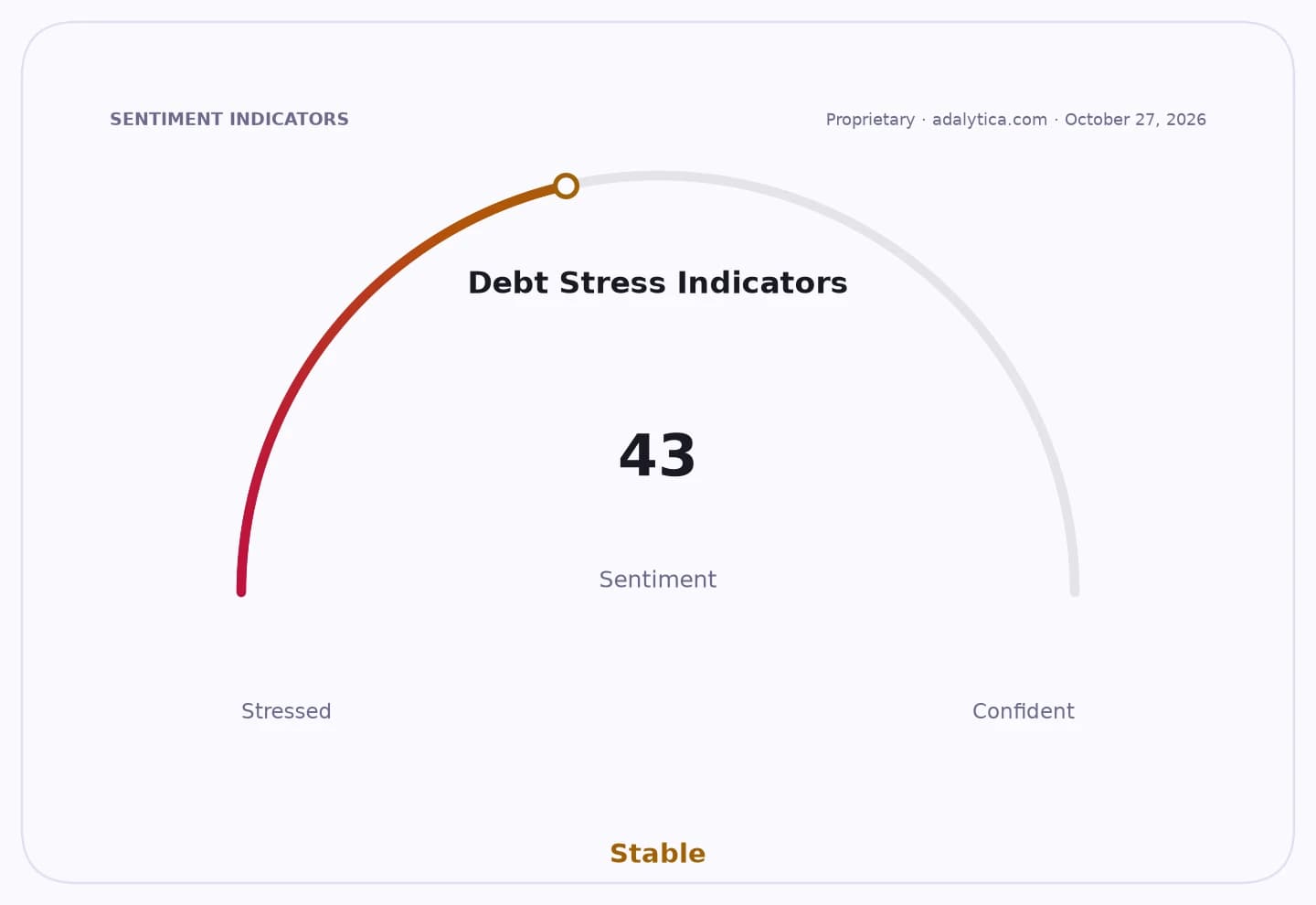
What had looked like a broad-based rise in discretionary spending is now showing the classic late-cycle strain: borrowing is rising far faster than incomes, and a growing share of households is using fresh credit simply to service old obligations. Data cited by the Centre for Social and Economic Progress show borrowing rose roughly four times as fast as disposable income in 2025-26, while average earnings for regular salaried workers have increased less than 4% in real terms over the past three years, according to Periodic Labour Force Survey-based figures. That gap matters because India’s consumption engine has been running not just on wages and festive demand, but on easy access to loans.
Sentiment Indicators
The stress is visible in the spread of gold-backed borrowing, a traditional pressure valve for Indian families facing financial strain. Such loans jumped nearly 45% in the year through March, almost three times the pace of overall bank credit, according to India Ratings and Research. That suggests more households are pledging jewelry to plug budget holes, a sign that debt is being used less for asset creation and more for survival spending, from medical bills to daily expenses.
For investors, the implications cut across banks, non-bank lenders and consumer-facing businesses. The immediate risk is asset quality: distressed borrowers appear to be rolling one form of debt into another, with major non-bank lenders including Bajaj Finance and Piramal Finance reporting more gold-loan takers coming from accounts already in default elsewhere. That raises the odds of higher delinquencies and more conservative underwriting, especially in small-ticket lending where digital channels have expanded rapidly and loans below 100,000 rupees now make up more than two-thirds of books, up from 55% three years ago.
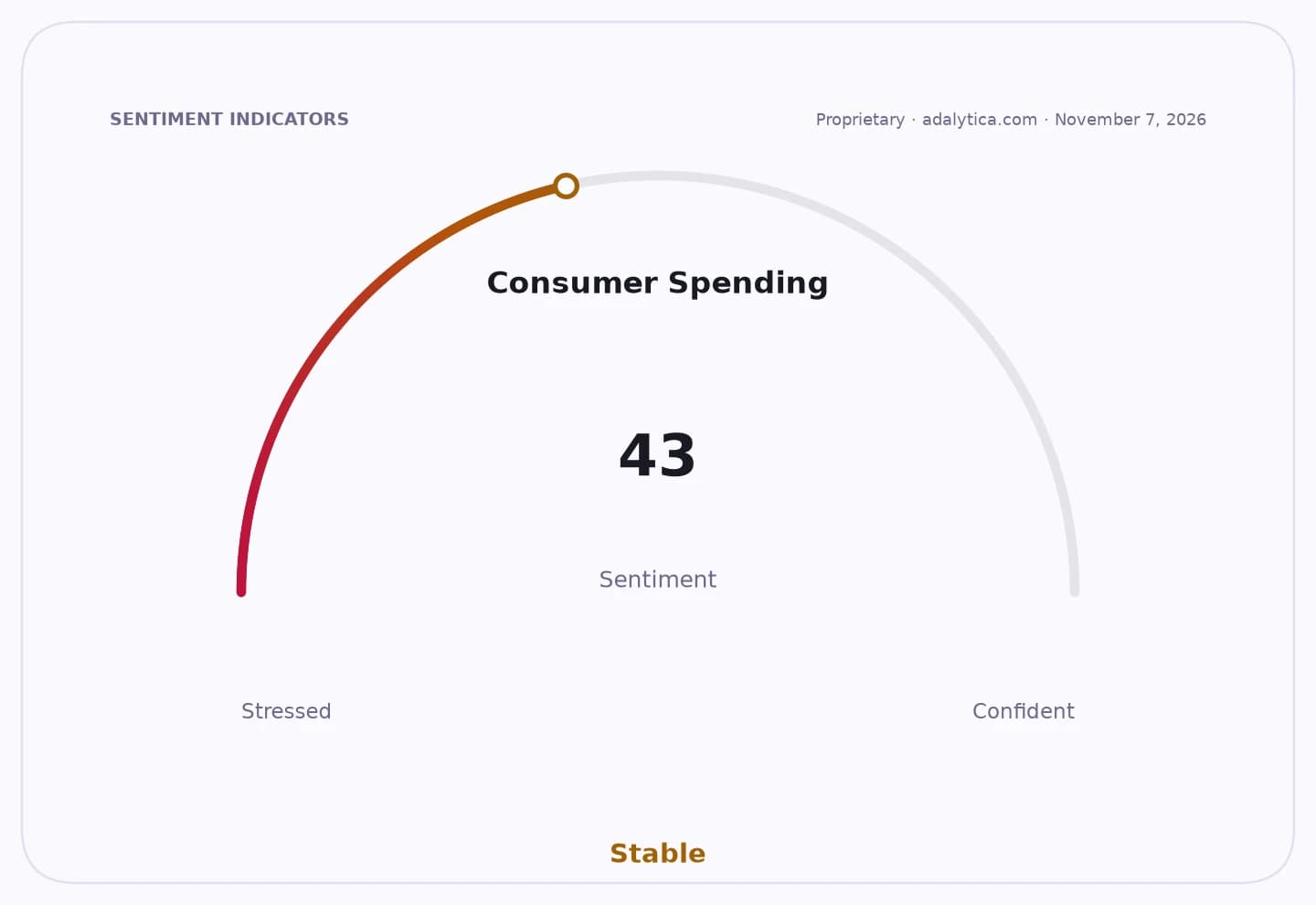
The second-order effect is on consumption itself. If households are devoting a larger share of income to repayments, spending on discretionary items will eventually slow, even if headline retail activity still looks resilient during festival periods. That is why the story matters beyond individual borrowers such as the workers described in the report: it speaks to whether India’s recent consumption momentum is being supported by genuine income growth or by a borrowing cycle that will prove harder to sustain.
The market is already signaling some of that tension. Shares in lenders tied to consumer credit have remained volatile, even as demand for loans stays strong, reflecting a push-pull between loan growth and the risk of future write-offs. From here, the key question for policymakers and investors is not whether credit demand can keep rising, but whether it can do so without forcing a broader reset in household balance sheets.
| Entity | Gains | Losses |
|---|---|---|
| Consumers borrowing for spending | ▲Near-term purchasing power | ▼Future disposable income |
| Non-bank lenders | ▲Loan growth, fee income | ▼Credit losses, tighter regulation |
| Banks and gold lenders | ▲Collateralized lending demand | ▼Higher default risk |
| Consumer retailers | ▲Short-term sales boost | ▼Longer-term demand slowdown |