Dassault Aviation’s work on a Rafale F5 standard is more than an upgrade cycle: it signals that the next phase of European airpower competition is shifting toward networked, long-range and unmanned-enabled combat, a change that could shape India’s procurement choices and the balance of advantage in future regional air conflicts.
Rafale F5 Extends Dassault’s Export Runway
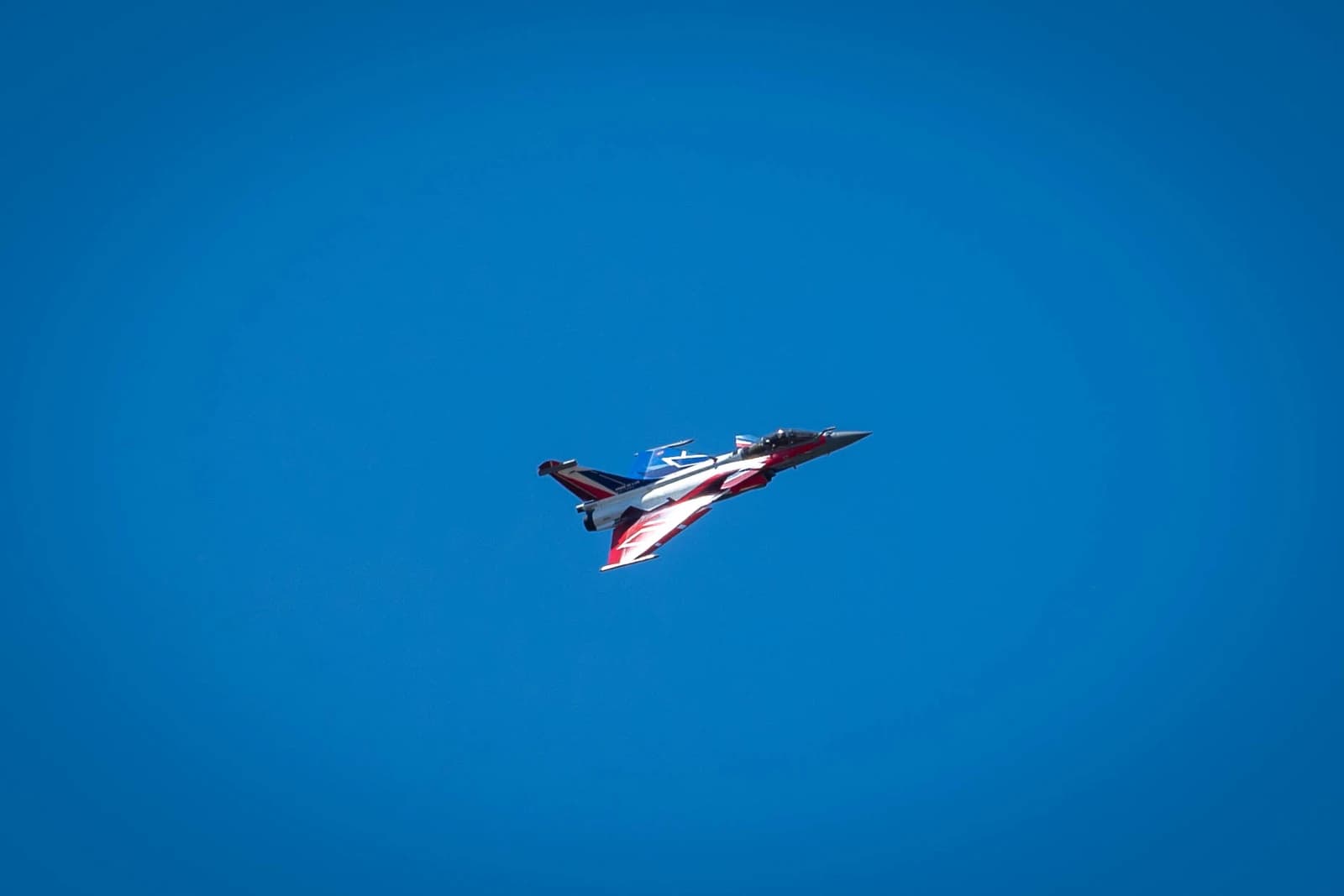
For investors, the significance is twofold. First, the F5 roadmap helps extend the Rafale’s relevance well beyond its current production run by turning the jet into a platform for future munitions, sensors and drone teaming rather than a legacy fighter approaching maturity. That matters for Dassault’s backlog visibility, aftermarket revenue and negotiating leverage with export customers. Second, it raises the pressure on India, which already relies on the Rafale as a premium multirole asset, to decide whether to deepen its commitment to a European ecosystem or accelerate parallel efforts in indigenous and US-linked programs.
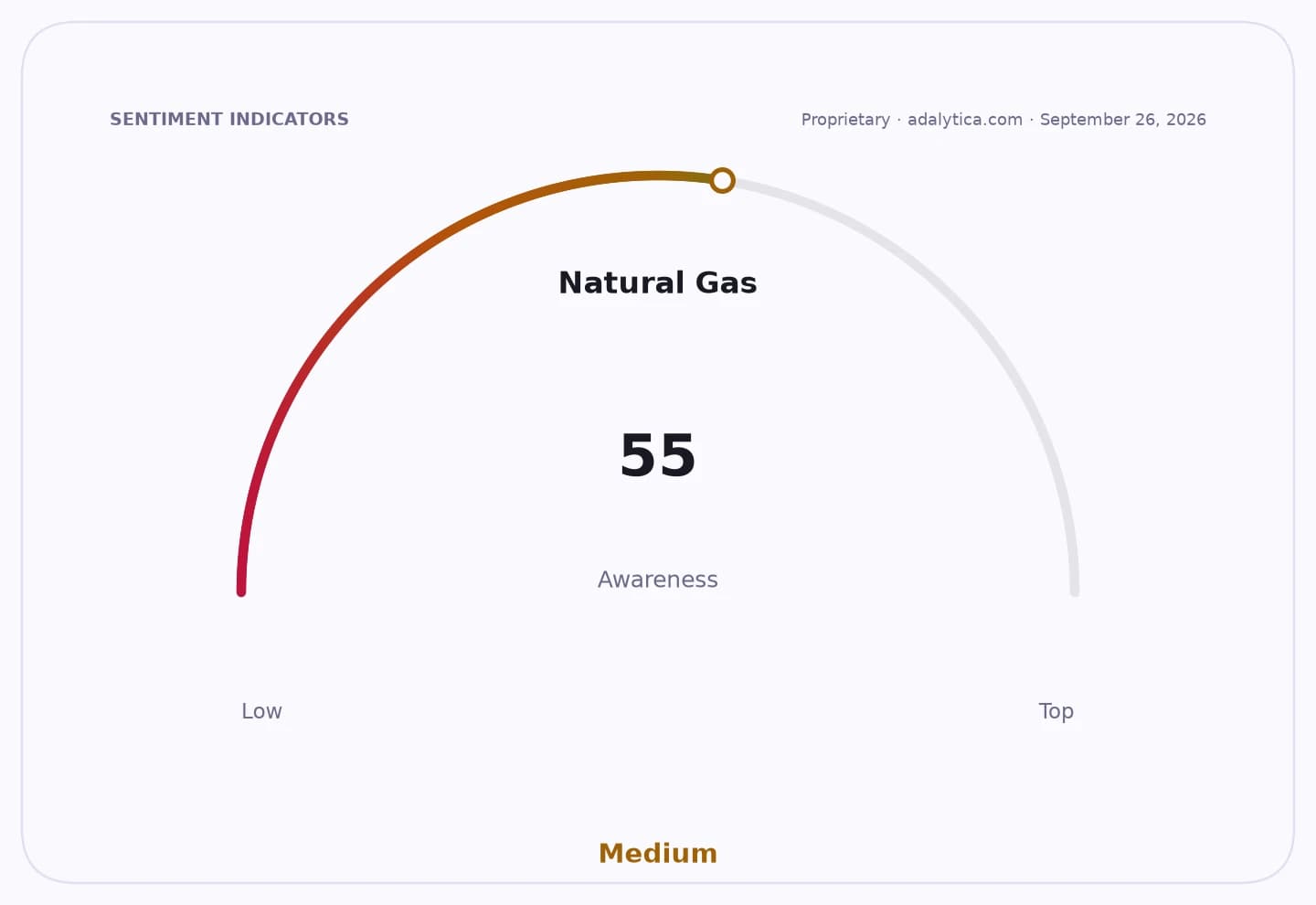
Sentiment IndicatorsⓘProprietary · adalytica.com · July 24, 2026
This is a snapshot — live sentiment, awareness and momentum for 130+ markets update continuously in the dashboard.Open AlphaPulse
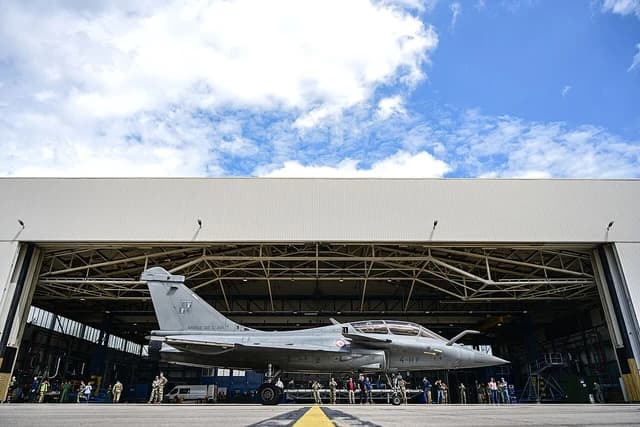
The market backdrop underscores why the story matters now. Defence demand has remained firm across Western aerospace names as wars in Ukraine and the Middle East keep military budgets elevated and shorten the political tolerance for capability gaps. Northrop Grumman, Lockheed Martin and RTX all pointed in recent filings to heightened global instability and continuing demand in key weapons and aircraft programs. Dassault’s Rafale F5 work fits that same pattern: customers are not just buying airframes, they are buying upgrade paths that can keep a fighter viable into the 2030s and beyond.
That strategic logic is especially relevant for India. The Rafale has become central to India’s effort to modernize its air force while managing tensions with Pakistan and China. Any F5 evolution that improves electronic warfare, survivability, connectivity or unmanned coordination would strengthen the aircraft’s value proposition in a region where standoff range and sensor fusion increasingly matter as much as raw speed. It also gives New Delhi more reason to weigh additional Rafale orders or follow-on cooperation, because a platform with a longer roadmap reduces the risk of a capability cliff between now and next-generation indigenous aircraft.
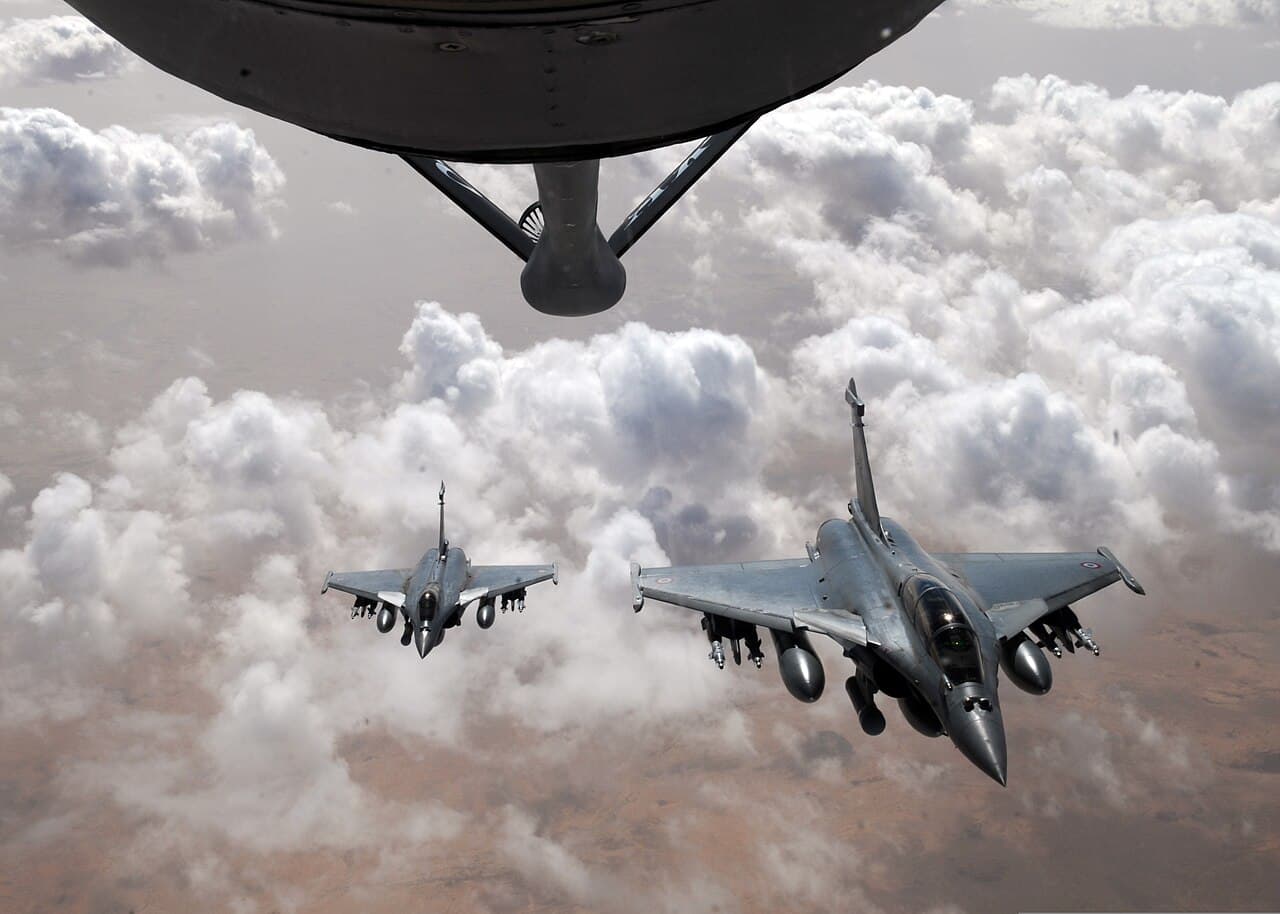
There is a clear bull case for Dassault. The F5 standard would reinforce Rafale’s export appeal at a time when many air forces prefer incremental upgrades over betting solely on next-generation programs that remain years away. If France can package the aircraft with future drones, munitions and electronic warfare enhancements, it can preserve pricing power and lock in support revenue. The bear case is that the announcement is still a preparation phase, not a contract award, and that buyers may hesitate if timelines slip or if the cost of staying on the Rafale path begins to rival the expense of moving to a newer architecture.
The latest trading pattern in Dassault’s Paris-listed shares suggests investors are still treating the story as one of long-duration optionality rather than a near-term earnings catalyst. The stock has rebounded from earlier weakness, but not in a way that implies a full re-rating. That fits the broader defence complex, where valuations have held up on geopolitical demand, yet individual names still need visible order flow or program milestones to sustain upside.
For India, the key question is whether the F5 standard becomes a bridge to deeper industrial cooperation or simply another upgrade in a crowded procurement pipeline. For Dassault, the answer will determine whether Rafale remains a cash-generating export franchise or merely a successful fighter with limited future runway. The next catalyst will be whether the F5 concept translates into concrete customer commitments, especially from current operators that want to avoid being left behind as combat aircraft become more distributed, connected and drone-enabled.
| Entity | Gains | Losses |
|---|---|---|
| Dassault Aviation | ▲Longer Rafale runway | ▼Higher development costs |
| India | ▲Better combat capability | ▼Costlier procurement choices |
| Current Rafale operators | ▲Upgrade path clarity | ▼Delay risk |
| Rival fighter makers | ▲More competition | ▼Rafale export pressure |