The South African rand rose as crude prices eased on signs the U.S. may be pushing mediation with Iran, a shift that matters because it temporarily blunts one of the biggest near-term threats to emerging-market currencies: a renewed spike in imported energy costs.
Rand Gains as Oil Prices Ease on Iran Mediation
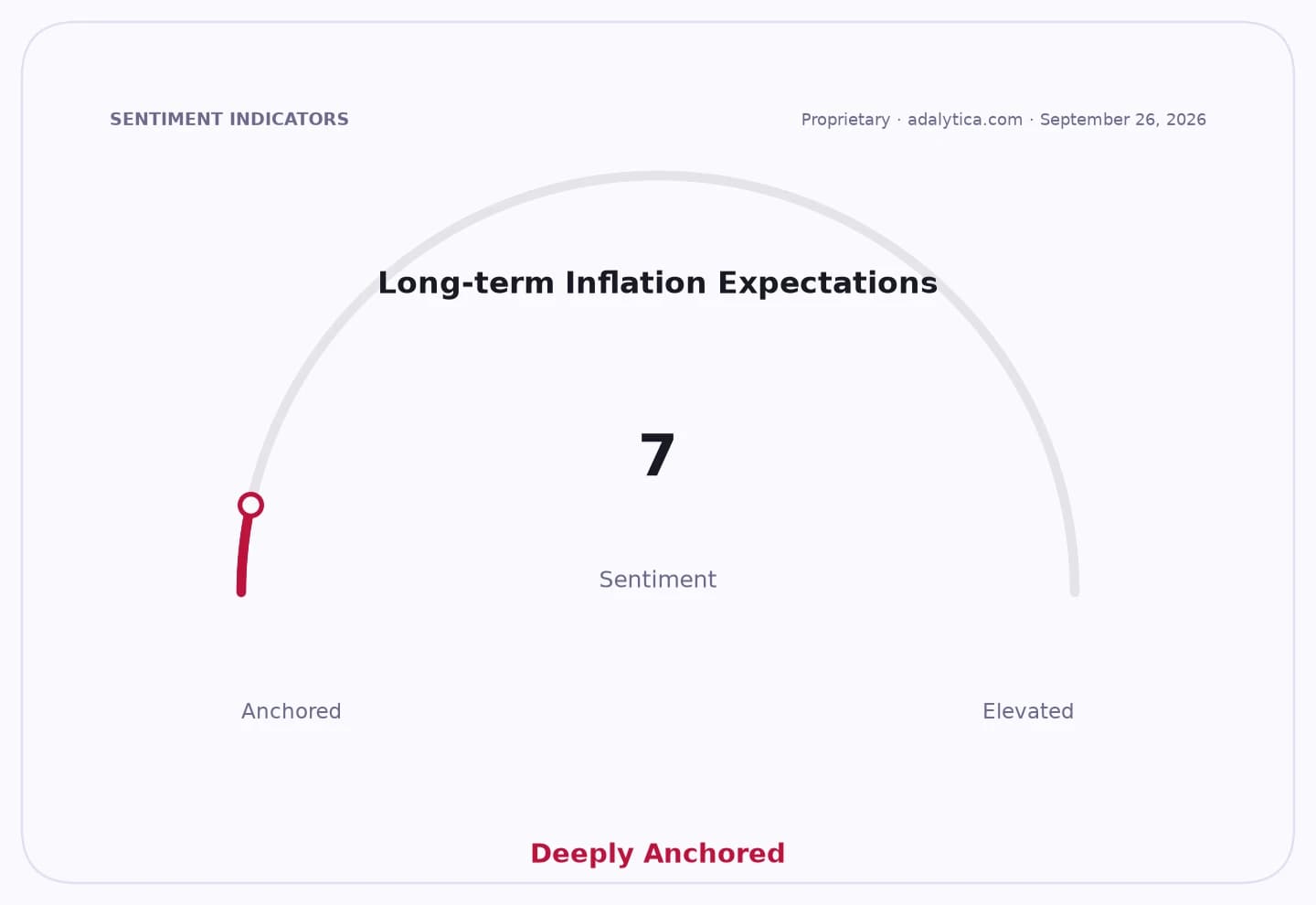
For investors, the move is less about South Africa alone and more about the global pricing of geopolitical risk. When oil backs off, even modestly, pressure eases on countries that run energy deficits, inflation expectations soften and central banks get a little more room to stay patient. That is why the rand can strengthen even when the domestic backdrop has not materially improved. In a market still sensitive to Middle East supply shocks, de-escalation hopes are a direct tailwind for risk assets tied to imported fuel costs.
Brent and U.S. crude have been violently sensitive to headlines around Iran, the Strait of Hormuz and Houthi threats to shipping. The latest leg lower came after reports of U.S.-Iran mediation efforts helped offset fresh attacks and blockade threats, suggesting traders were willing to price a smaller chance of immediate supply disruption. That matters because the market has already shown how quickly it can reprice: oil surged more than 3% earlier in the week as tensions escalated, underscoring how little spare margin exists when the region turns unstable.
The rand’s response is also a reminder of how foreign exchange is increasingly a barometer for the oil shock. South Africa is structurally exposed to imported energy and the knock-on effects on inflation, the current account and local rate expectations. A softer crude tape reduces the urgency for defensive positioning in the currency and can support local assets broadly, especially if investors believe the worst-case scenario around the Gulf remains contained.
The bigger investment point is that this kind of move creates an opportunity to separate temporary headline risk from durable trend. If diplomacy reduces the odds of a sustained oil spike, the beneficiaries are clear: energy importers, high-beta emerging-market currencies and rate-sensitive equities. The losers are the usual inflation hedges — oil bulls, shipping-risk trades and producers whose valuations already assume geopolitical premium remains elevated.
I believe the market underestimates how fast a cooling in Middle East tensions can unwind speculative energy risk premium. For now, that makes the rand one of the cleaner expressions of a softer oil thesis. If mediation gains traction, the next move is likely not just a stronger currency, but a broader relief rally in import-sensitive assets that have been priced for war, not negotiation.
| Entity | Gains | Losses |
|---|---|---|
| South African rand | ▲Import-cost relief | ▼Geopolitical risk premium |
| Oil importers | ▲Lower fuel bills | ▼Less pricing power for producers |
| Emerging-market assets | ▲Easier inflation outlook | ▼Safe-haven dollar demand |
| Oil bulls | ▲— | ▼Crude risk premium fades |