Herrin’s utility committee has recommended higher rates, a move that underscores how inflationary pressure and rising energy costs are still working their way through local power bills even as headline inflation has cooled from its post-pandemic peak.
Rate Relief Supports Regulated Utilities
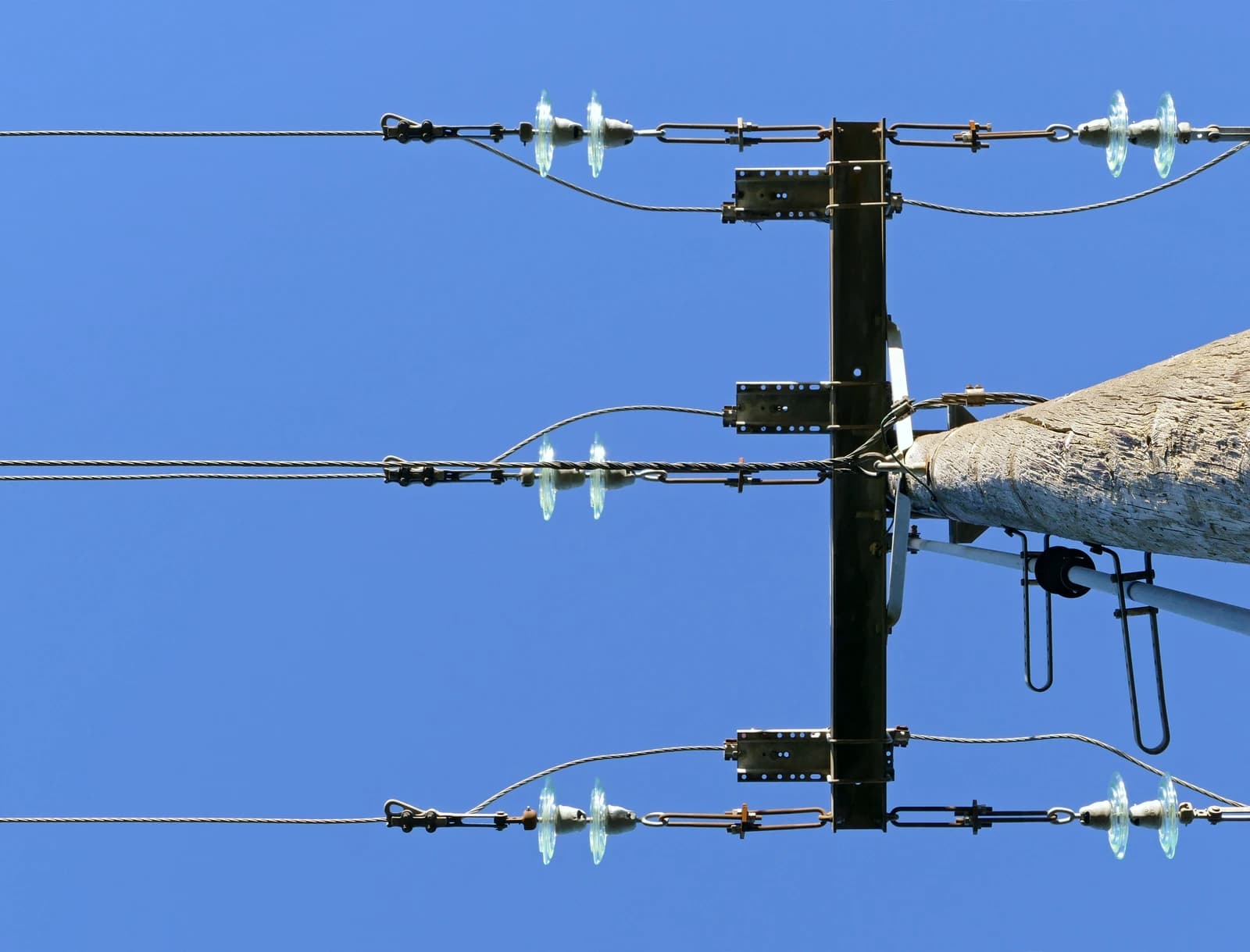
For investors, the significance is bigger than a municipal rate case. Utility pricing is one of the clearest transmitters of cost pressure into the real economy, and approved increases can cushion regulated operators while adding to household and business expenses already strained by higher fuel and transport costs. The market underestimates how sticky those pass-through effects can be, especially when utilities are also facing capital spending needs tied to grid upgrades, reliability and a cleaner generation mix.
Sentiment IndicatorsⓘProprietary · adalytica.com · July 20, 2026
This is a snapshot — live sentiment, awareness and momentum for 130+ markets update continuously in the dashboard.Open AlphaPulse
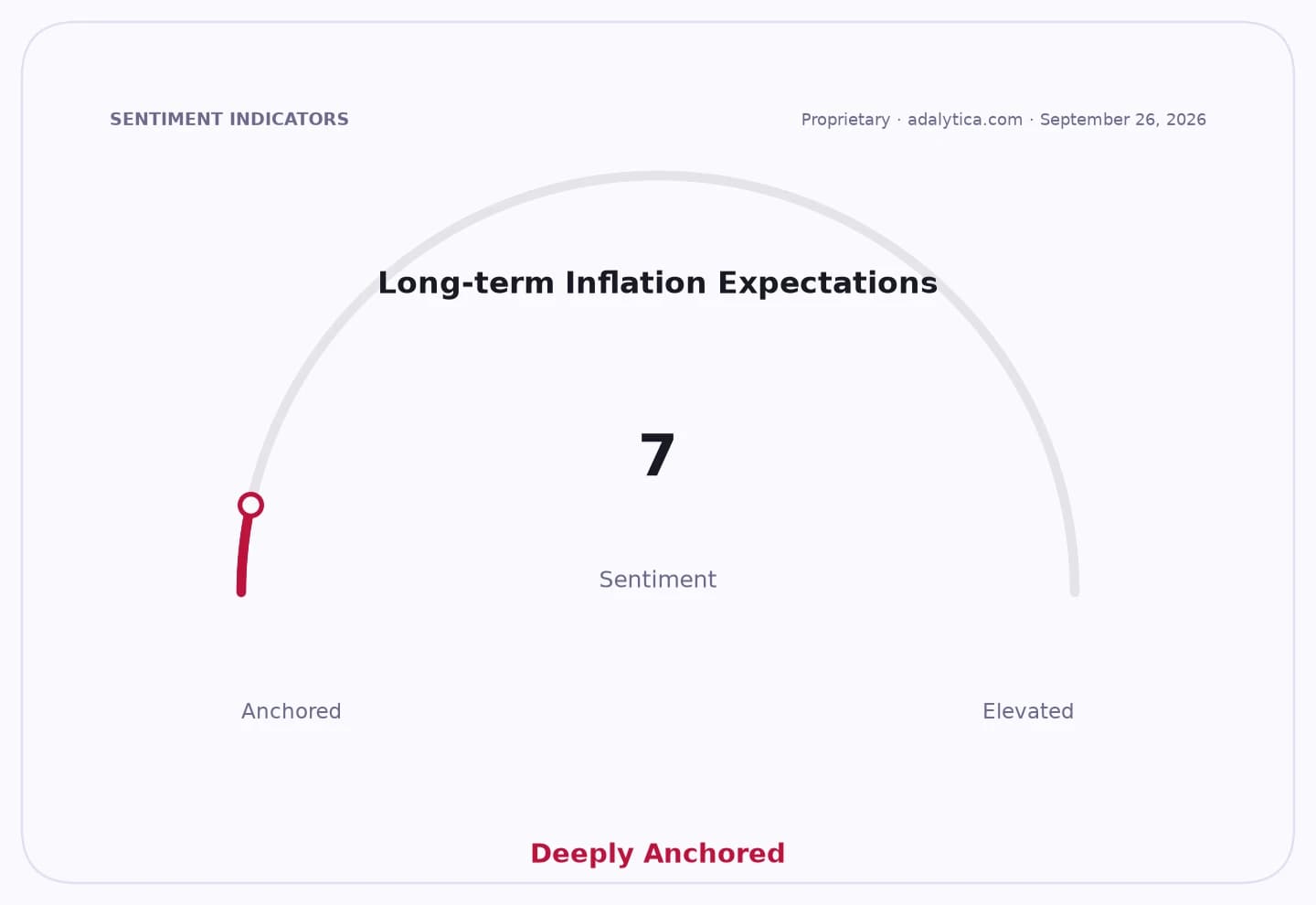
The broader inflation picture is still supportive of that read-through. Consumer prices remain well above pre-2020 norms, with the latest CPI readings showing inflation elevated versus the long-run baseline and core prices still running hot enough to keep policymakers cautious. That matters because utilities are not pricing in a vacuum: their rate requests are being shaped by borrowing costs, labor inflation and the cost of power, while customers are absorbing a second round of price pressure from energy and freight.
The equity tape reflects the tension. The utilities sector, as tracked by the XLU exchange-traded fund, has recently been trading above its 50-day and 200-day moving averages, suggesting investors are still paying up for defensive yield and regulated cash flow. But individual names have been more mixed: American Electric Power has given back some of its earlier strength, while Southern Co. has held firmer, a sign that the market is rewarding rate certainty and penalizing execution risk. Technical readings such as RSI and MACD point to a sector that remains constructive but not overextended, leaving room for a continued rotation into regulated utilities if rate relief keeps coming through.
That is the investment setup here. When local regulators accept that utilities need higher tariffs to recover costs and earn a fair return, the winners are regulated electric and gas operators with large rate bases and ongoing capex pipelines. The losers are rate-sensitive consumers, commercial customers and any industrial user already wrestling with higher diesel, CNG and power costs. In a market that is still searching for inflation shelter, utilities with constructive regulatory relationships may offer one of the cleaner ways to compound earnings while passing through rising input costs.
The next catalyst is whether this Herrin recommendation becomes a broader signal: if more local and regional commissions lean toward approved increases, regulated utilities could keep re-rating as investors look past short-term bill shock to the longer-duration cash flows behind the sector. For now, the thesis is straightforward: rate relief is becoming an earnings tailwind, and the market is still underpricing how much pricing power the regulated utility model can preserve in an inflationary world.
| Entity | Gains | Losses |
|---|---|---|
| Regulated utilities | ▲Higher allowed revenue | ▼None |
| Utility shareholders | ▲Better earnings visibility | ▼Short-term volatility |
| Consumers | ▲None | ▼Higher monthly bills |
| Industrial customers | ▲Cost pass-through clarity | ▼Margin pressure |