The strategic case for debt is getting more attractive for investors as U.S. yields stay elevated but credit stress cools, giving fixed income holders a better income cushion without the same level of panic seen in earlier rate spikes.
Raymond James Financial Nears $179 as Yields Hold 4.6%
That backdrop fits Raymond James Financial’s latest commentary on the strategic side of debt: the 10-year Treasury yield is hovering around 4.6%, the federal funds rate is holding at 3.63%, and high-yield credit spreads have narrowed to about 2.7 percentage points after recent volatility. In practical terms, borrowing costs remain high, but the market is no longer pricing the kind of acute default scare that typically forces lenders and investors to de-risk all at once.
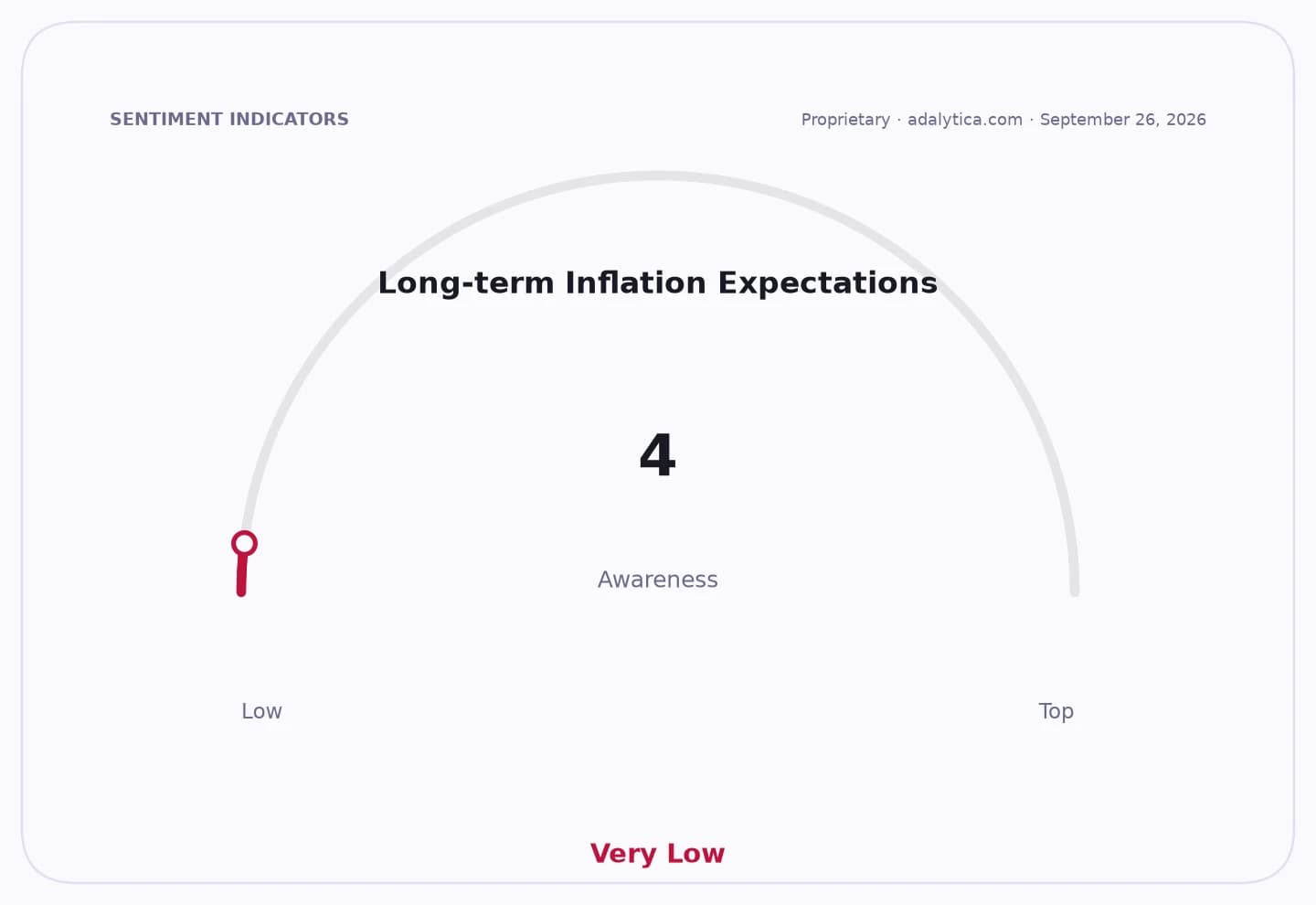
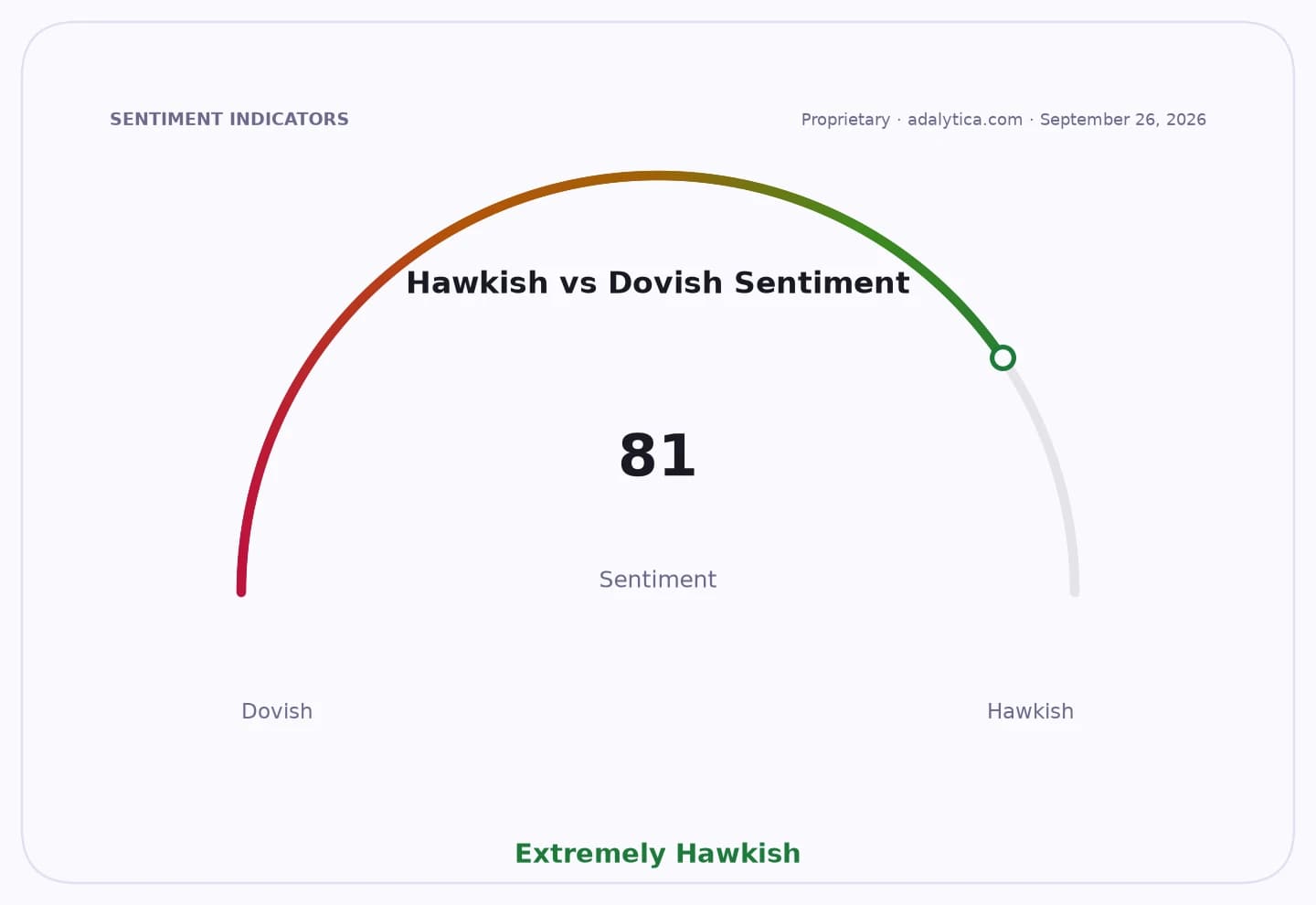
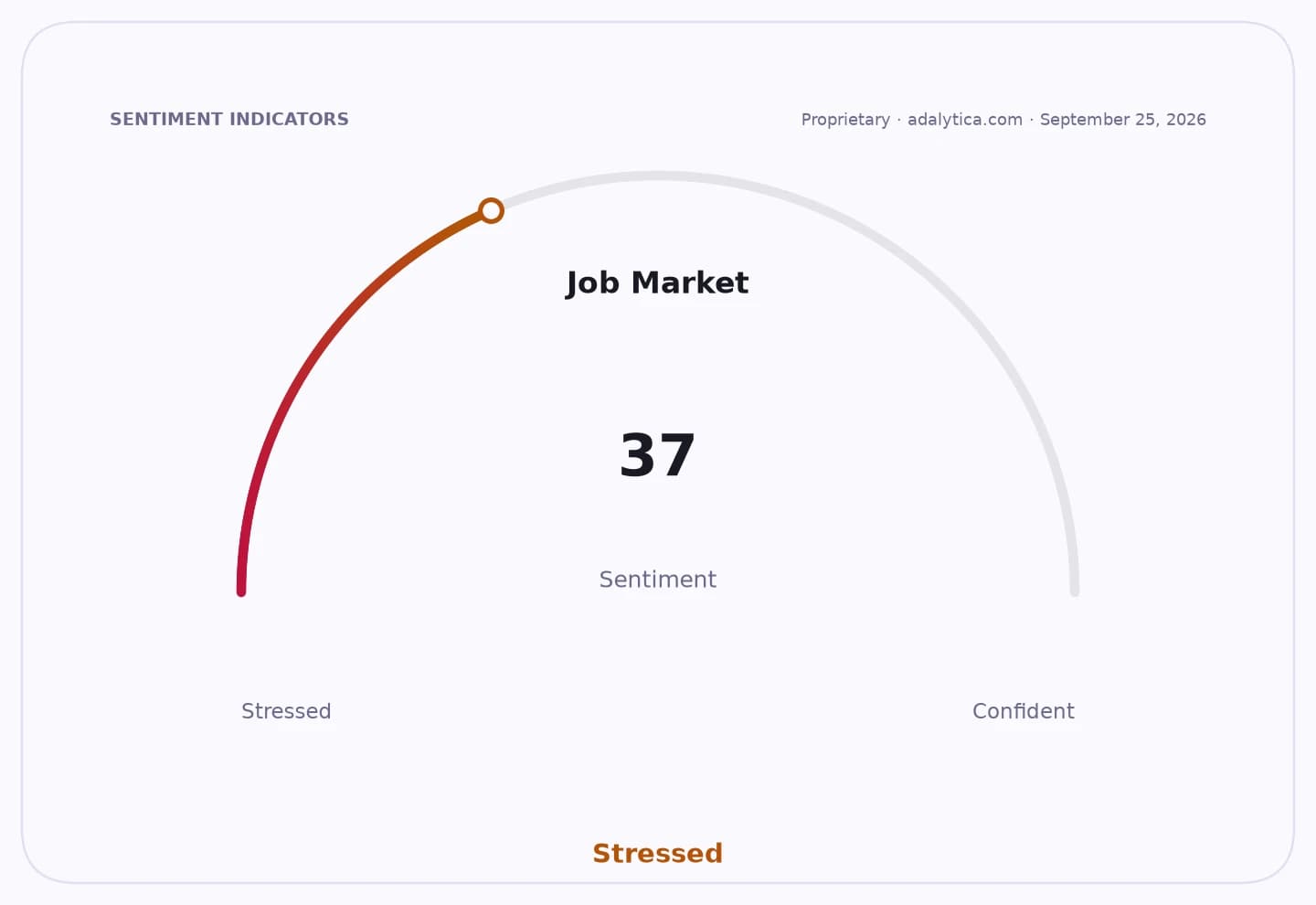
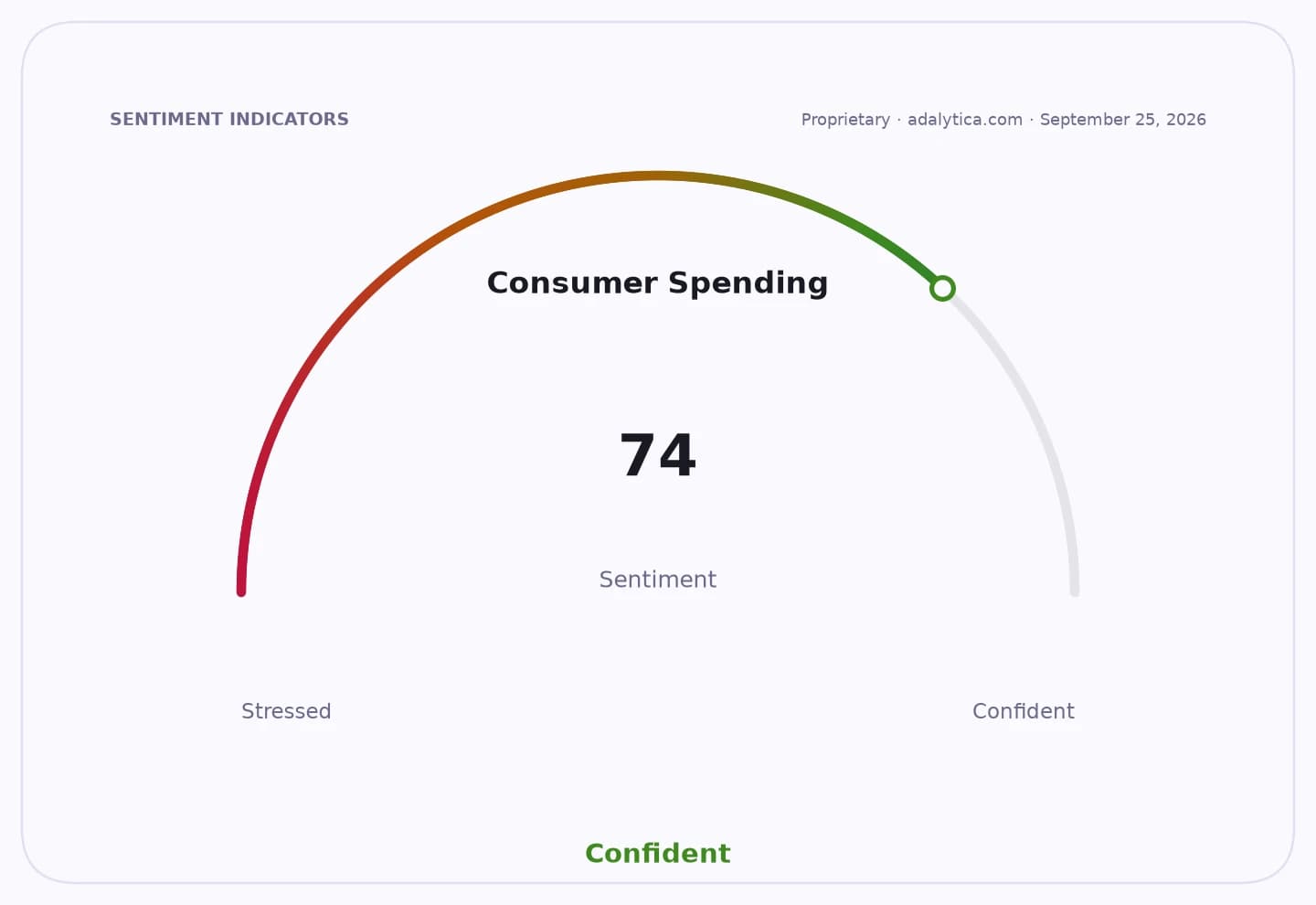
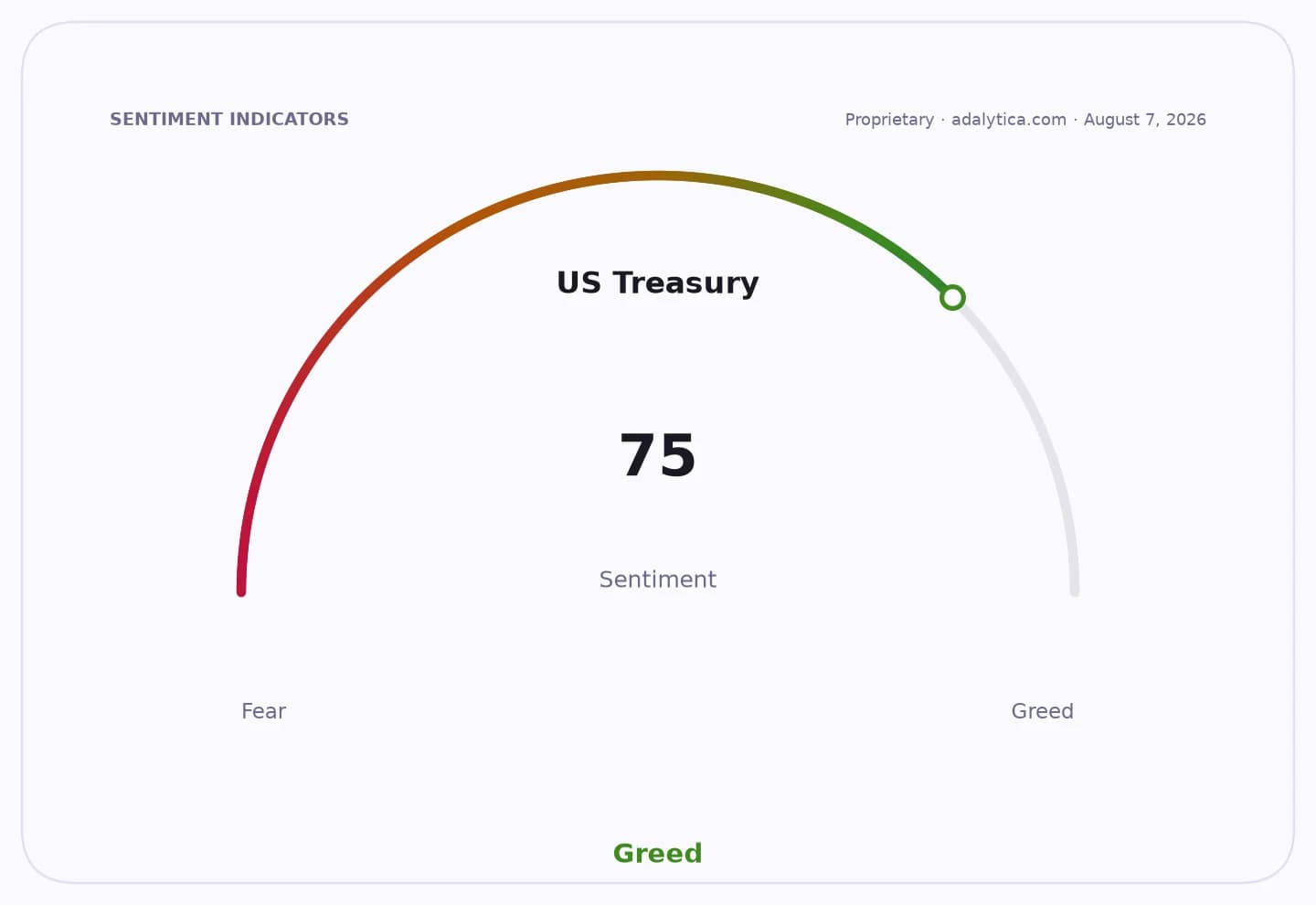
Sentiment IndicatorsⓘProprietary · adalytica.com · August 7, 2026
This is a snapshot — live sentiment, awareness and momentum for 130+ markets update continuously in the dashboard.Open AlphaPulse
The shift matters economically because debt is once again doing what it is supposed to do for portfolios and balance sheets: generating carry. When yields are above 4% and spreads are still contained, investors can lock in income while issuers continue to refinance and extend maturities, rather than being shut out of the market. That is a more workable environment for banks, asset managers and corporate borrowers than the stressed conditions that accompanied earlier rate surges.
Raymond James has reason to emphasize that framing. In its latest quarterly filing, the firm said it manages net interest income sensitivity through scenario analysis and other interest-rate risk tools, underscoring how central rates are to its business model. Its shares have also climbed to around $179, well above the 50-day moving average and the 200-day moving average, suggesting the market is rewarding firms positioned to benefit from stable-to-high rates and continued client demand for yield.
The broader market tone also supports the debt trade. Adalytica’s Treasury Bonds Trade Signals show “Greed” and “Extreme Greed” for U.S. government debt, while S&P 500 sentiment sits at “Extreme Greed,” a sign investors are still reaching for risk even as bond yields stay elevated. That mix often favors diversified financials and fixed income managers, while pressuring borrowers that depend on cheap refinancing.
BlackRock and Blackstone are also in focus as investors continue to reallocate toward income-generating assets and private credit. BlackRock’s shares are near $1,129 and Blackstone’s around $133, both well above their long-term trend lines, reflecting sustained appetite for asset managers and alternative-credit platforms that can monetize a higher-rate world.
The key risk is that debt remains strategic only as long as credit quality holds. Bad debt has risen to its highest level since mid-2020, and banks are drawing down risk buffers even as loan stress builds. If rates stay sticky and defaults rise, the current “good debt” trade could quickly turn into a capital preservation story.
| Entity | Gains | Losses |
|---|---|---|
| Raymond James | ▲Higher rate sensitivity, yield demand | ▼Softer fee growth if risk rises |
| Bond investors | ▲Attractive carry | ▼Price risk if yields climb |
| Corporate borrowers | ▲Refinance window still open | ▼Higher interest expense |
| Banks and lenders | ▲Wider asset yields | ▼Rising credit losses |