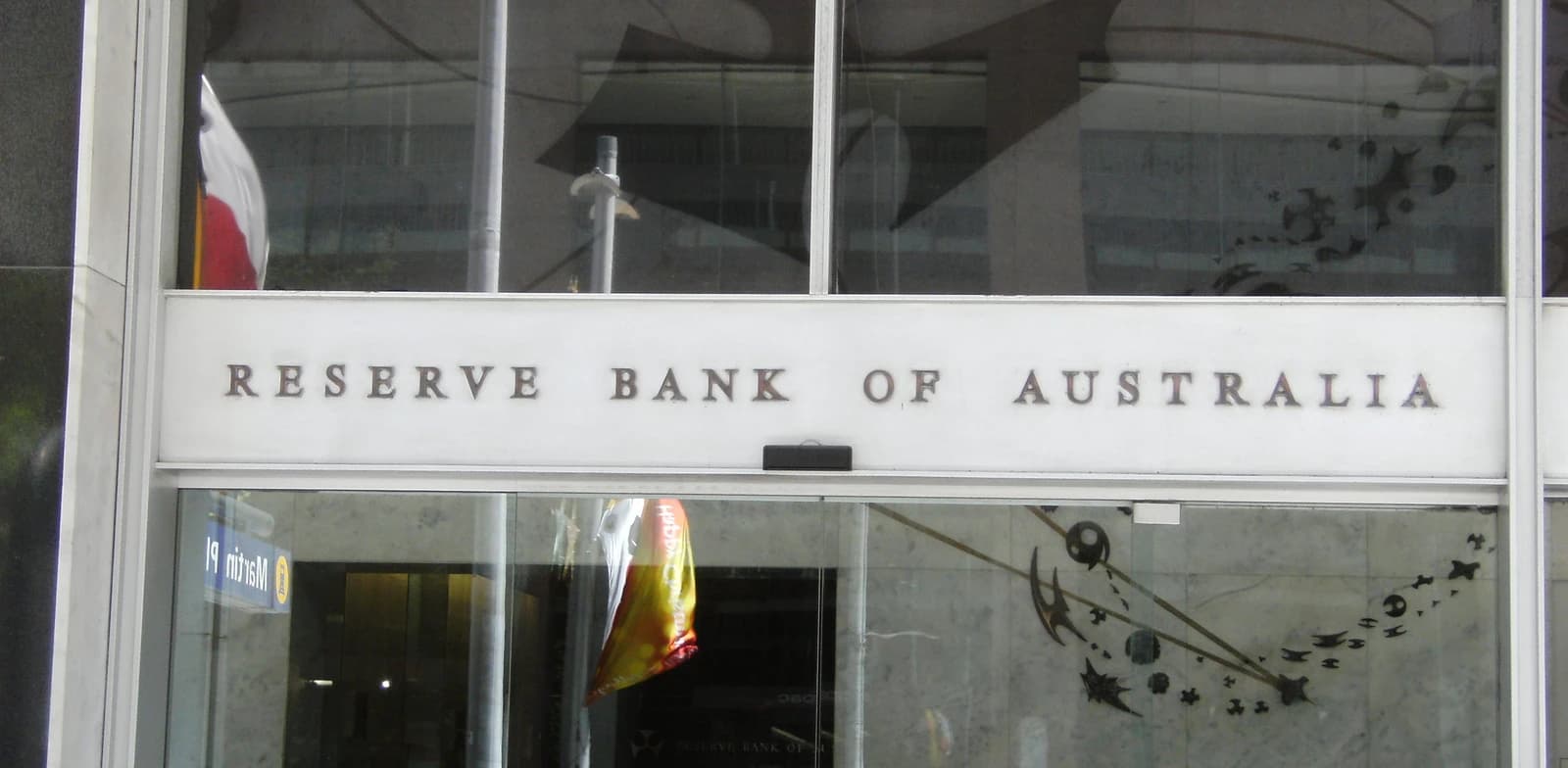
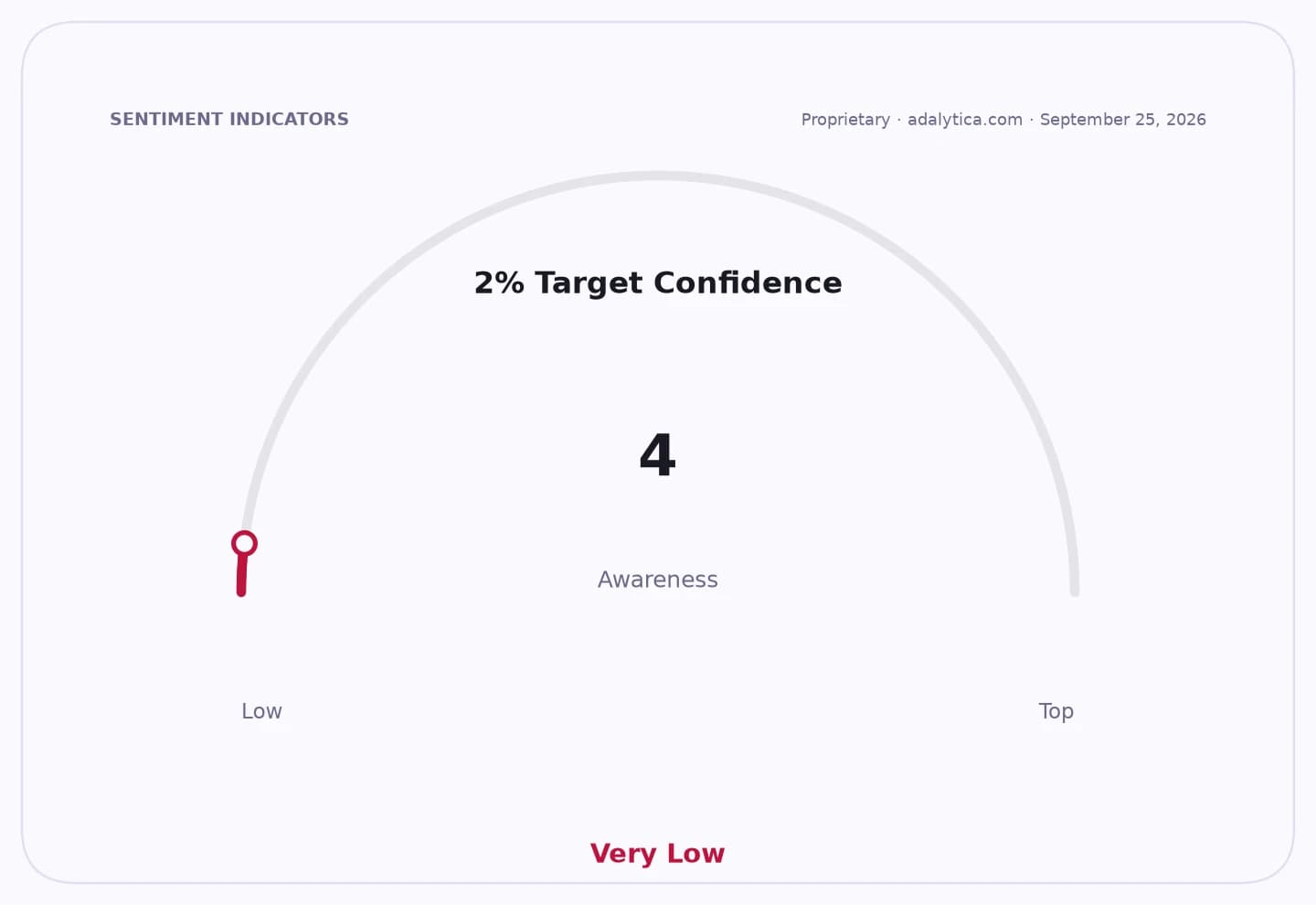
Australia’s central bank has kept alive the prospect of another rate increase this month, a shift that matters because it would reinforce the view that inflation remains too persistent for the Reserve Bank of Australia to ease policy any time soon.
RBA keeps September rate hike on the table
Deputy Governor Sarah Hunter said the board could still raise rates if inflation proves more stubborn than expected, underscoring that the RBA’s priority remains returning price growth to target. Her remarks, delivered at an Australian Financial Review event, came after recent data showed inflation staying elevated and the economy proving more resilient than expected in the second quarter.
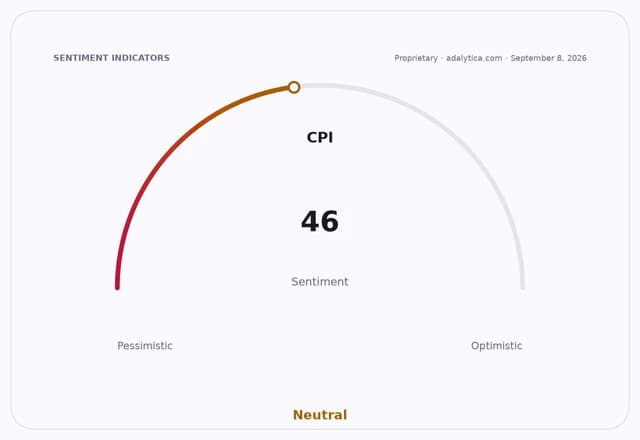
Markets have already moved sharply in response. Traders now see about a 70% chance of a 25-basis-point increase at the RBA’s Sept. 29 meeting, which would lift the cash rate to 4.60% from 4.35%, compared with less than 10% a month ago. Australian bond yields have climbed toward 5.8%, reflecting the likelihood of tighter policy for longer and the risk that the central bank may need to do more than it previously signaled.
For the economy, the key issue is that inflation is not fading quickly enough to give households or policymakers relief. Annual inflation was running at 3.5% in July, still above the RBA’s target band, while second-quarter growth exceeded expectations, suggesting demand has not cooled enough to ease price pressures. That combination gives the board room to argue that previous tightening has not yet fully done its work.
For investors, the implications are immediate. A higher-for-longer cash-rate path supports the Australian dollar, which has risen to around 0.722 against the U.S. dollar, near a four-month high. It also keeps pressure on interest-rate-sensitive sectors such as housing and consumer discretionary shares, while offering a tailwind to banks through stronger deposit and lending margins. On the other side, borrowers, retailers and highly leveraged firms face tighter financial conditions for longer.
The broader narrative is that the RBA is prioritizing credibility on inflation even as the economy slows only gradually. If upcoming data confirm that price growth remains sticky, a September hike would look less like a surprise than an acknowledgment that Australia’s disinflation process has stalled. If inflation eases more clearly, the board can pause — but for now, the market is pricing in another move because the RBA is leaving that option firmly on the table.
| Entity | Gains | Losses |
|---|---|---|
| RBA / inflation fighters | ▲Policy credibility | ▼Short-term growth comfort |
| AUD / currency bulls | ▲Higher rate support | ▼Importers hedging costs |
| Banks | ▲Wider lending margins | ▼Mortgage credit demand |
| Households / borrowers | ▲— | ▼Higher debt servicing costs |