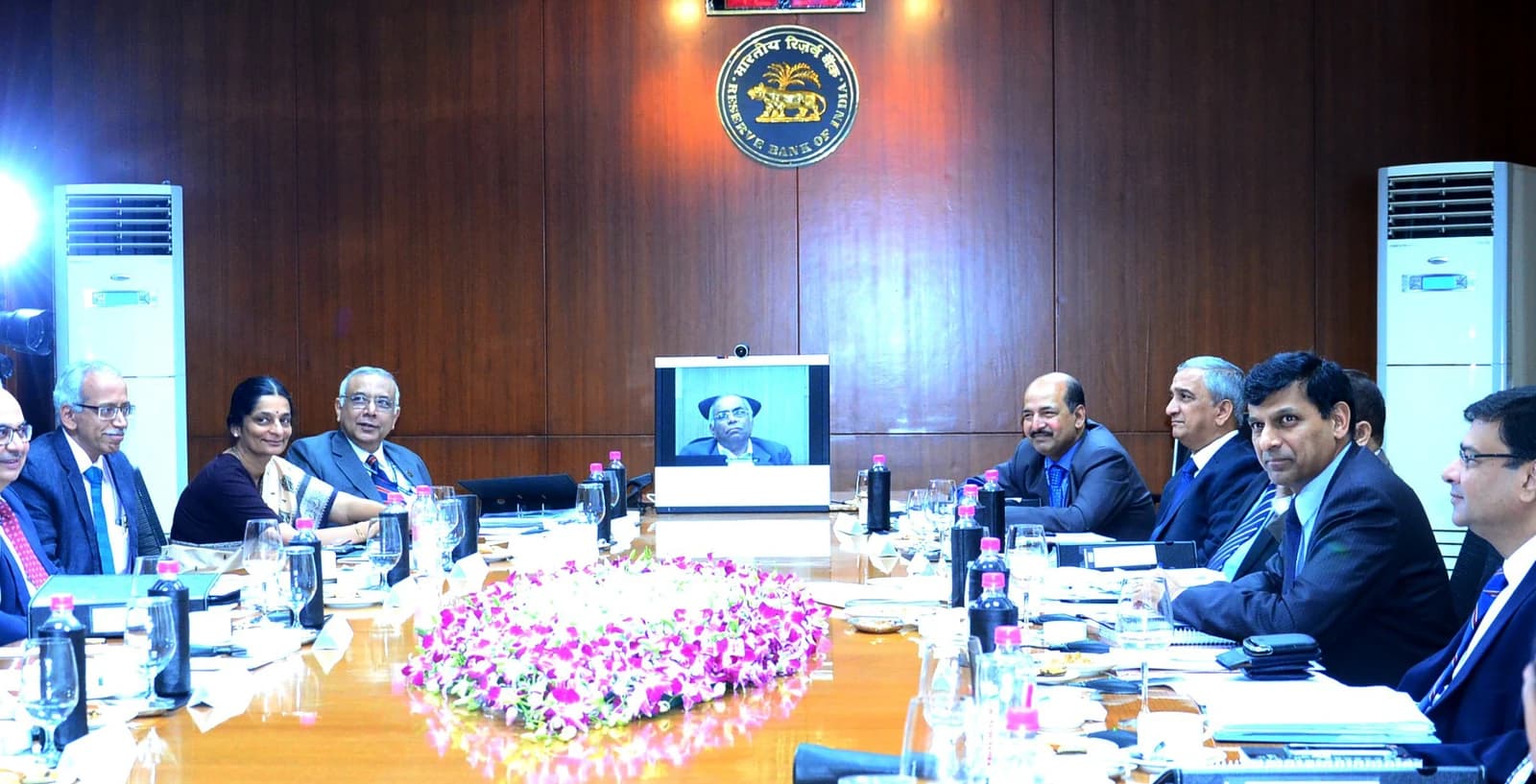
India’s banking system liquidity cushion shrank almost completely on October 22, forcing the Reserve Bank of India to step in again as short-term funding pressures pushed overnight rates close to its upper corridor.
RBI steps in as India liquidity tightens

The surplus fell 99% to Rs 541.95 crore from Rs 48,303.95 crore a day earlier, the lowest since June 29, after GST payments, state development loan auction outflows, foreign-exchange intervention and currency leakage drained rupees from the system. For banks, the sudden drop matters because it tightens day-to-day funding conditions and raises the risk that money-market rates stay above the RBI’s policy repo rate unless liquidity is replenished.
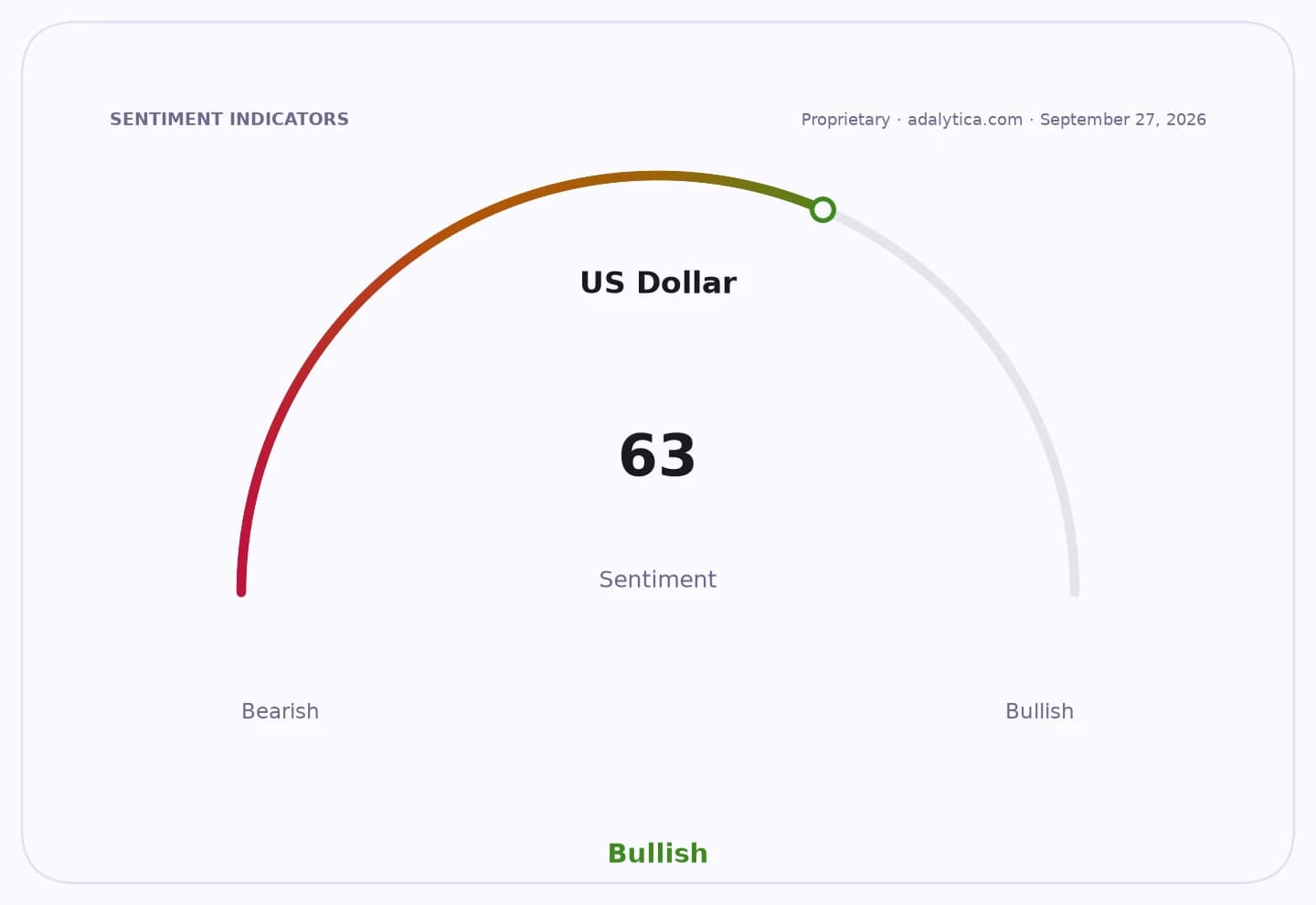
Sentiment Indicators

The pressure has already shown up in borrowing costs. Overnight money-market rates have risen to 5.70%-5.80%, close to the RBI’s marginal standing facility rate of 5.75%, which is the central bank’s effective ceiling for the policy corridor. That is a clear sign the system has moved from excess cash toward near-scarcity, even if only temporarily.
The central bank has responded with an aggressive sequence of variable rate repo operations, injecting about Rs 1.5 lakh crore through two auctions this week. On Thursday, it received bids worth Rs 1.62 lakh crore for a Rs 50,000 crore overnight VRR auction and allotted Rs 50,006 crore at a weighted average rate of 5.55%. The oversubscription suggests banks are eager to lock in short-term funds rather than rely on volatile interbank borrowing.
The squeeze is being driven by several mechanical drains rather than a single structural shock. GST collections transfer funds from commercial banks to the government’s account at the RBI, temporarily pulling liquidity out of the market. State loan auctions also absorb cash, while the central bank’s dollar sales to support the rupee absorb rupees from the banking system unless offset by liquidity injections. Cash leakage into circulation further reduces deposits available to lenders.
For investors, the immediate implication is that the RBI may have to keep using overnight and short-term repo tools to prevent a persistent rise in funding costs. That would matter for banks’ treasury operations, deposit pricing and short-term money-market yields, even if it does not yet signal a shift in the policy rate itself. If month-end government spending returns cash to the system, the squeeze could ease; if not, the RBI may need more operations to stop overnight rates from drifting above repo for longer.
Banks and money-market participants will now watch whether the expected month-end government spending restores liquidity fast enough to normalize call rates, or whether foreign-exchange intervention and tax-related outflows keep the system tight into November.
| Entity | Gains | Losses |
|---|---|---|
| RBI | ▲Greater control over overnight rates | ▼More frequent liquidity operations |
| Banks | ▲Access to central bank funding | ▼Higher short-term borrowing costs |
| Government | ▲Temporary cash balances from GST inflows | ▼Liquidity drained from the banking system |
| Borrowers | ▲Potential relief if liquidity is replenished | ▼Tighter money-market conditions |