A new open-source tool called REA is pushing AI coding agents into one of the software industry’s most sensitive areas: reverse-engineering paid applications and rebuilding them from scratch in a way that could undercut licensing models and widen the legal fight over source code protection.
REA tool speeds app reverse engineering
The significance is less about whether REA can perfectly copy an app and more about how quickly it can reproduce core functionality. In a demonstration cited in the source material, the system was able to set up dependencies and begin reconstructing a media player such as VLC within minutes by combining AI coding agents with reverse-engineering tools including Ghidra, Hopper and IDA through the Model Context Protocol. That speed matters because it lowers the cost of imitation, compresses development time and makes “clean-room” replication more accessible to smaller teams, potentially intensifying competition across software categories where differentiation rests on code rather than network effects.
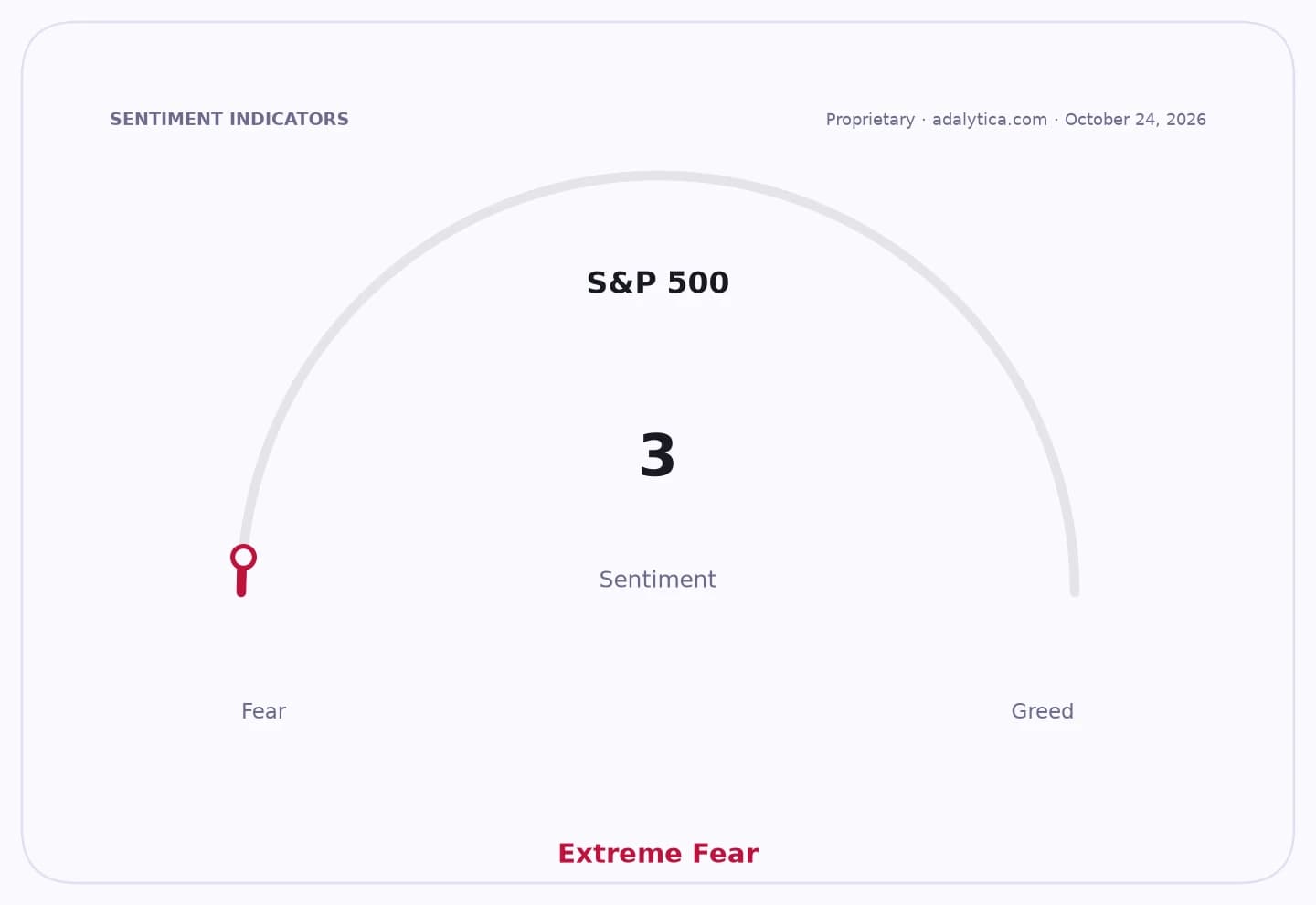
Sentiment Indicators
For investors, the development is most relevant to companies that rely on proprietary software, subscriptions and licensing income. Microsoft, Adobe and other software vendors already flag source code protection and intellectual property leakage as material risks in regulatory filings. Microsoft’s latest 10-Q says source code is critical to the business and that unauthorized access or disclosure could weaken trade-secret protection; it also notes the company and peers invest heavily in R&D and recoup costs through software licensing. That business model becomes more vulnerable if AI-assisted tools make it cheaper to imitate the functional parts of an application without copying the code line for line.
The market implications extend beyond legal exposure. If AI systems can reconstruct functional equivalents faster, incumbent software makers may face more pricing pressure, shorter product cycles and a tougher moat to defend in segments where features are easier to replicate than brand or platform lock-in. That is especially relevant in consumer software, developer tools and productivity applications, where buyers may be willing to switch if an alternative is “good enough” and materially cheaper. The risk is not an immediate collapse in demand, but a gradual erosion of premium pricing and the bargaining power of vendors.
There is also a bull case for the incumbents. Larger software companies have the legal resources, engineering scale and distribution muscle to absorb and respond to such threats more effectively than smaller rivals. They can harden code protection, move more functionality into cloud services and rely on integrated ecosystems that are harder to clone than a standalone desktop app. Microsoft and Alphabet have already been rewarded by investors for AI-driven platform strength even as both trade with volatile technical setups; Microsoft closed at $521.91 on Oct. 30, above its 200-day moving average of $436.85, while Alphabet ended at $279.84, below its 200-day average of $340.34, underscoring how differently the market is pricing their risk profiles.
The broader narrative is that AI is moving from content generation toward practical software reconstruction, and that shift changes the economics of software creation. What used to require a large engineering team and long development cycles can now be partially automated with a workflow that interprets binaries and rewrites code in a new form. That does not eliminate legal and technical barriers, but it lowers the friction enough to matter for competition, enforcement and valuation.
For investors, the key question is whether AI becomes mostly a productivity tool for software firms or a commoditizing force that makes their products easier to copy. The answer will likely vary by business model: platform companies with deep ecosystems may benefit, while vendors selling narrowly differentiated applications could face faster margin compression if AI cloning tools improve further.
| Entity | Gains | Losses |
|---|---|---|
| AI coding tool makers | ▲Faster adoption | ▼Greater legal scrutiny |
| Large software incumbents | ▲Stronger ecosystem advantage | ▼Higher IP defense costs |
| Subscription software vendors | ▲Productivity gains | ▼More cloning pressure |
| Smaller app developers | ▲Lower build costs | ▼Weaker differentiation |