Retail property is emerging as the most sought-after part of commercial real estate, a sign that investors are still willing to pay for assets tied to everyday spending even as higher rates and a slower economy continue to pressure the broader property market.
Retail Property Becomes CRE's Defensive Trade
That matters because retail real estate has long been viewed as the most vulnerable commercial segment, hurt by e-commerce, changing shopping habits and lender caution. Yet the sales data now point to a market where shopping centers, grocery-anchored strips and other necessity-based retail assets are dominating transactions, suggesting capital is rotating toward properties with stable cash flow rather than the office towers and speculative developments that have struggled in a higher-rate world.
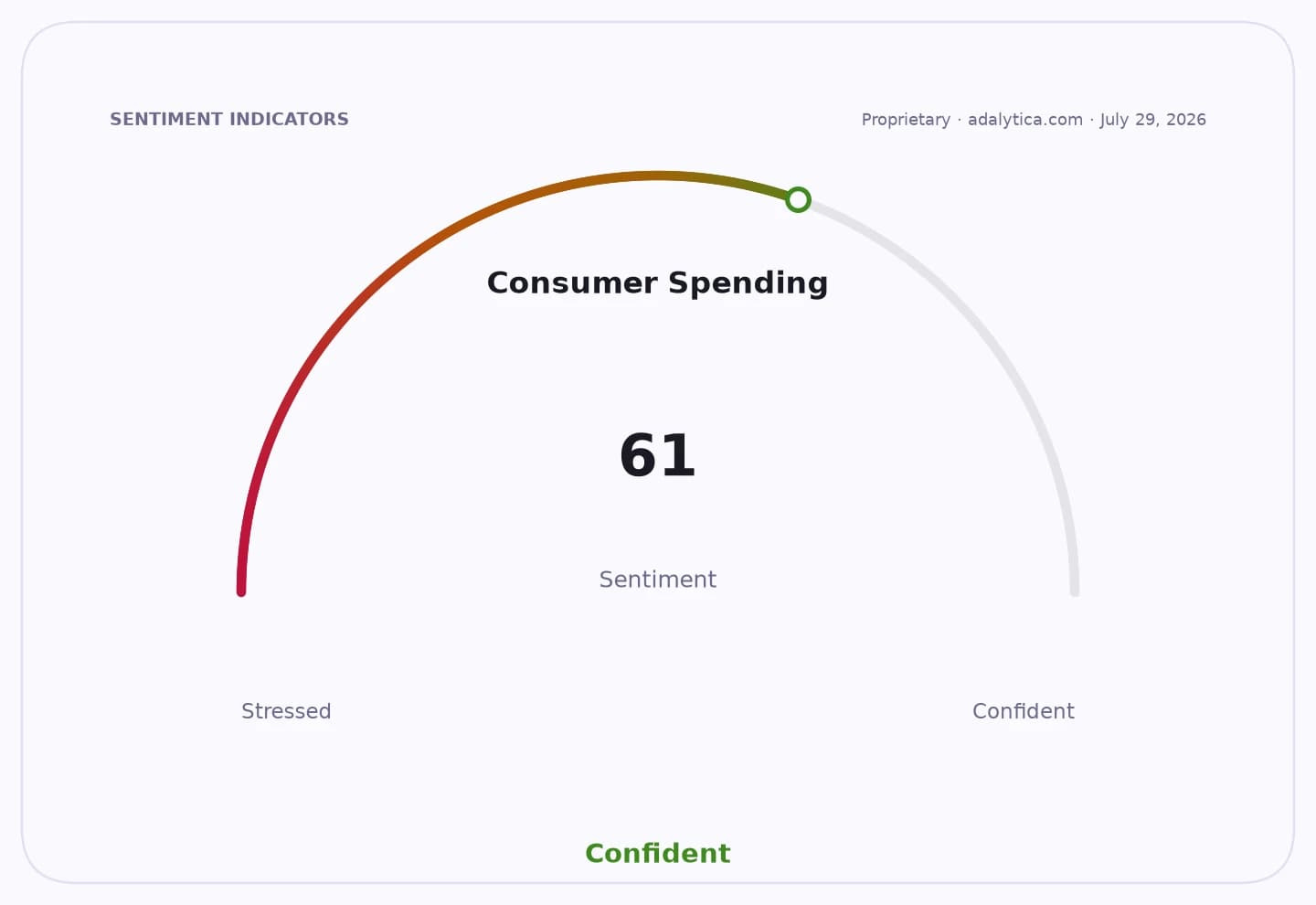
Sentiment IndicatorsⓘProprietary · adalytica.com · July 29, 2026
This is a snapshot — live sentiment, awareness and momentum for 130+ markets update continuously in the dashboard.Open AlphaPulse
The shift is economically important for two reasons. First, it implies buyers are prioritizing income resilience over growth, which is exactly what tends to happen when financing is expensive and economic visibility is limited. Second, it shows that commercial real estate capital is not frozen evenly across the sector: instead, it is concentrating in assets that benefit from steady foot traffic, daily-needs tenants and relatively predictable rent collections.
That helps explain why retail-focused landlords such as Simon Property Group and Kimco Realty have held up better than the broader property universe. Simon’s shares have surged to around 236.70 from 178.27 earlier this year, while Kimco has climbed to about 26.24 from 20.05 in December, moves that reflect investor appetite for landlords with stronger leasing power and asset quality. Their share-price strength also suggests the public market is reinforcing the private-market preference for retail assets, particularly centers anchored by grocery stores, pharmacies and service tenants.
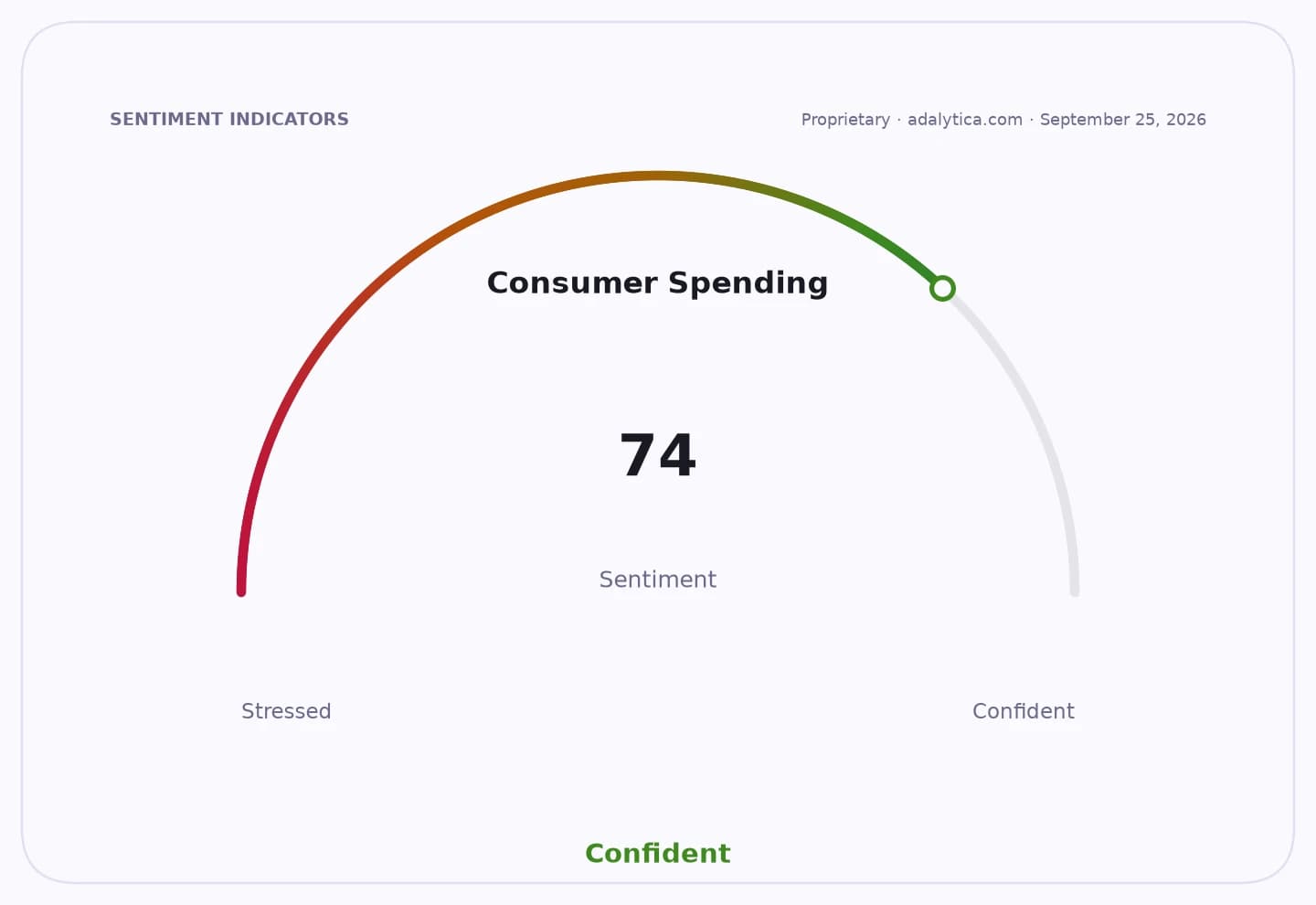
The macro backdrop adds to the case. The unemployment rate is still relatively low at 4.2%, while the federal funds rate remains at 3.63% and is forecast only marginally lower next month. That combination keeps borrowing costs high enough to discourage aggressive bidding in commercial real estate, but not so high as to collapse consumer demand. For retail property owners, that is a workable environment: financing is restrictive, yet spending on essentials is still holding up.
The bull case for retail is straightforward. Space supply is limited, well-located centers have regained pricing power, and tenant demand is strongest where landlords can bundle errands around grocery, health care and convenience uses. Brookfield- and mall-adjacent retail owners also benefit from the fact that many older retail properties have already been restructured, repositioned or sold, leaving a cleaner asset base than a decade ago.
The bear case is that the rush into retail could be late-cycle. If consumer spending softens or unemployment rises, discretionary tenants would feel it first, and valuations that look attractive today could prove cyclical. Some of the resilience also depends on selective properties rather than the whole category; weaker regional malls and nonessential shopping centers still face structural pressure.
For investors, the message is that commercial real estate is increasingly a stock picker’s market. Retail is no longer just the sector investors avoid; the right assets are becoming the sector they want to own. That should support transaction volumes, keep cap rates firmer for necessity-based centers and widen the gap between best-in-class landlords and the rest of the property market.
What happens next will depend on whether lower rates arrive fast enough to broaden the buyer base beyond yield-oriented capital. If they do, retail assets could keep leading commercial property sales. If they do not, the current dominance may prove to be less a broad recovery than a narrow flight to safety within real estate.
| Entity | Gains | Losses |
|---|---|---|
| Grocery-anchored retail owners | ▲Stronger buyer demand | ▼Limited downside from rates |
| Mall landlords with quality assets | ▲Higher valuations | ▼Weaker peers |
| Office and weaker retail assets | ▲Relative discounting | ▼Capital rotation out |
| Buyers seeking stable income | ▲Defensive cash flows | ▼Less upside in growth names |