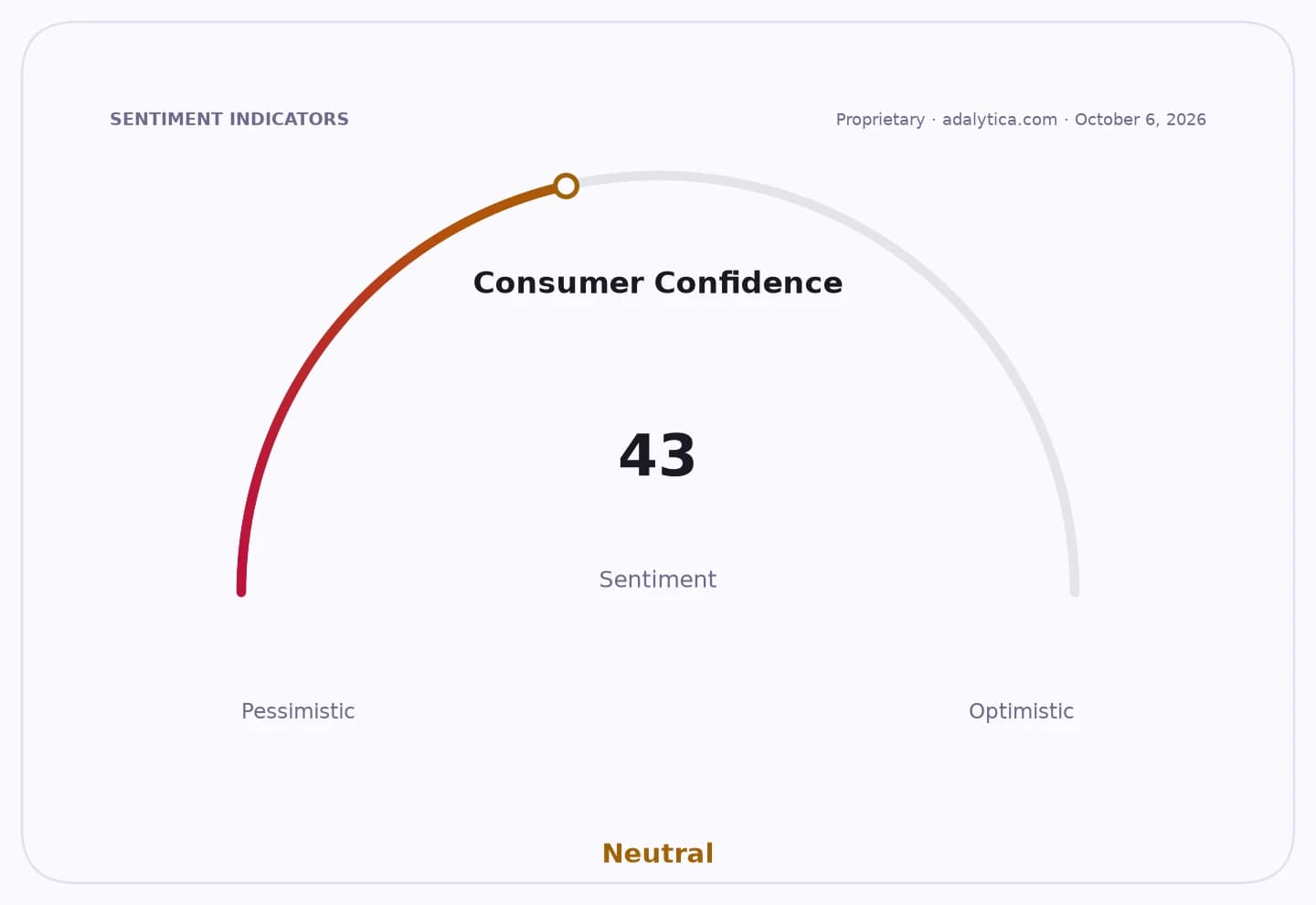
The biggest story for retirees right now is that the order you draw income from can materially change how long your money lasts, and the backdrop is finally turning a little more favorable for bond-heavy portfolios and annuity buyers.
Retirees Face New Withdrawal Order With Higher Yields
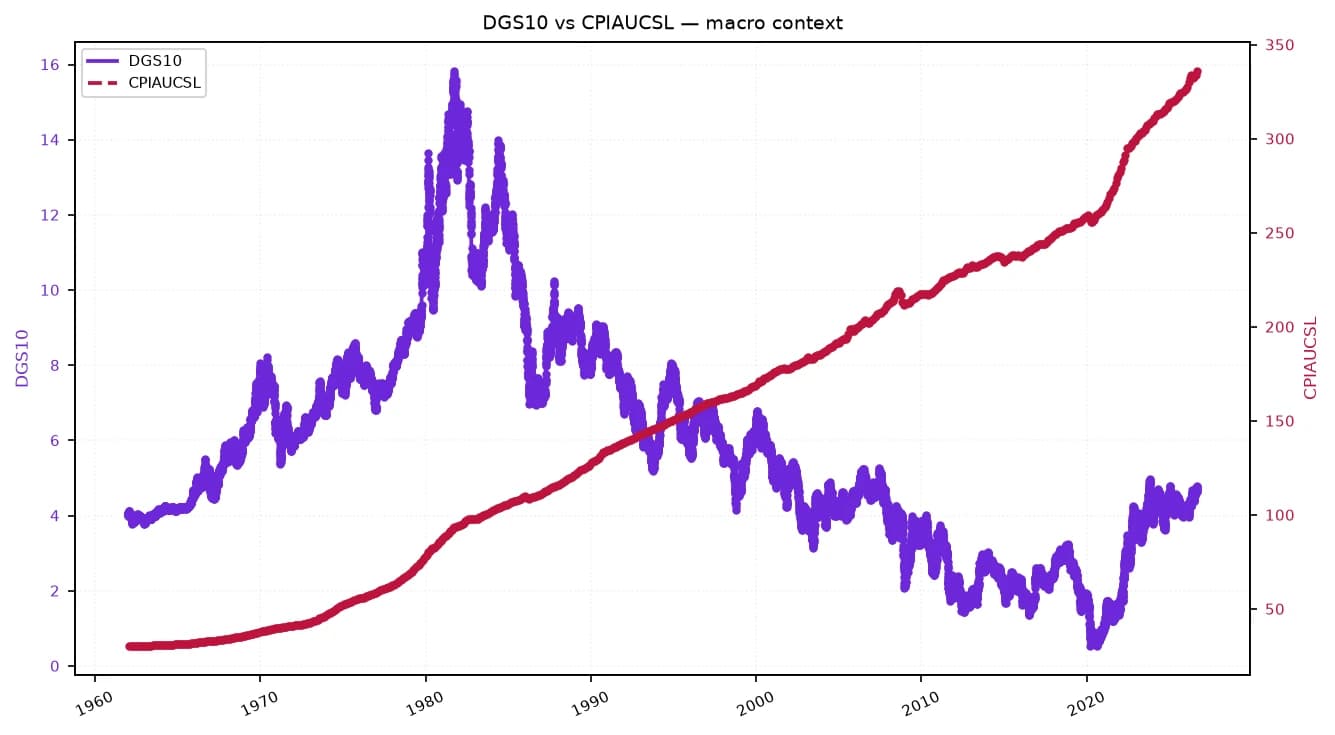
That matters because retirement spending is really a sequence-of-returns problem disguised as a budgeting question. If you pull too much from volatile investments early, you can permanently damage your nest egg. If you lean first on guaranteed income streams, you may give your portfolio more time to compound through market cycles. With the 10-year Treasury yield hovering around 5.1% and Treasury bond funds such as TLT rebounding to about $80 after a bruising spring, retirees have more options than they did when rates were near zero. That changes the math on annuities, cash reserves and IRA withdrawals.
The basic logic behind a “Social Security, annuities, cash, then IRA” plan is straightforward: use the income sources that are least likely to force you to sell growth assets at the wrong time. Social Security is inflation-adjusted, making it one of the few lifetime income streams that can help preserve purchasing power. Annuities can add a pension-like floor, especially for retirees who value predictability over upside. Cash covers short-term spending needs without exposing the portfolio to market swings. Only after those layers are in place does it make sense to tap the IRA, where taxes and investment growth both deserve careful planning.
This is where today’s rate environment becomes economically important. Higher yields make conservative income strategies more attractive, but they also reflect a market that still expects inflation to remain sticky enough to keep borrowing costs elevated. Consumer prices were up to 336.3 in September from 333.98 in May, and unemployment remained low at 4.2%, which helps explain why bond yields have not collapsed. For retirees, that means guaranteed-income products may pay more than they did in the last decade, but it also means inflation risk has not disappeared.
Investors should also notice what’s happening in retirement products themselves. Exchange-traded funds tied to dividend stocks, such as SCHD, have recovered to the mid-$34 area and remain above both the 50-day and 200-day moving averages, while long Treasurys and gold have both swung sharply as markets reassess the path of rates and growth. That kind of volatility is exactly why a withdrawal order matters: the less you need to sell into weakness, the better your long-term odds.
The right sequence, though, is not universal. Retirees with very large pretax accounts may want to draw from IRAs earlier to manage future required withdrawals and taxes. Others may prefer to delay Social Security to lock in a higher guaranteed benefit. The best plan depends on health, tax brackets, spousal income, pension coverage and how much market risk you still want to carry.
For long-term investors, the real lesson is broader: retirement success usually comes from building a layered income strategy before you need it, not from chasing the highest immediate payout. The current rate backdrop makes that planning exercise more compelling, not less. If you are near retirement, this is worth reviewing now and discussing with a tax-aware adviser before you start taking distributions.
| Entity | Gains | Losses |
|---|---|---|
| Retirees with layered income | ▲More spending flexibility | ▼Less sequence risk |
| Annuity providers | ▲Better pricing power | ▼Fewer yield-starved buyers |
| Treasury bond investors | ▲Higher income options | ▼Price volatility |
| IRA-heavy households | ▲Tax-planning opportunities | ▼Higher risk of poor withdrawal timing |