A quarter of Americans say inflation will force them to delay retirement, underscoring how higher living costs are reshaping household finances and lengthening demand for income, savings and annuity products.
Inflation Delays Retirement for Many Americans
The finding from BMO and Ipsos lands as consumers still face elevated price levels even after inflation cooled from its peak, with the latest CPI reading showing prices up sharply versus pre-pandemic levels. That keeps pressure on workers nearing retirement, especially those without large defined-benefit pensions or ample market gains to cushion everyday expenses.
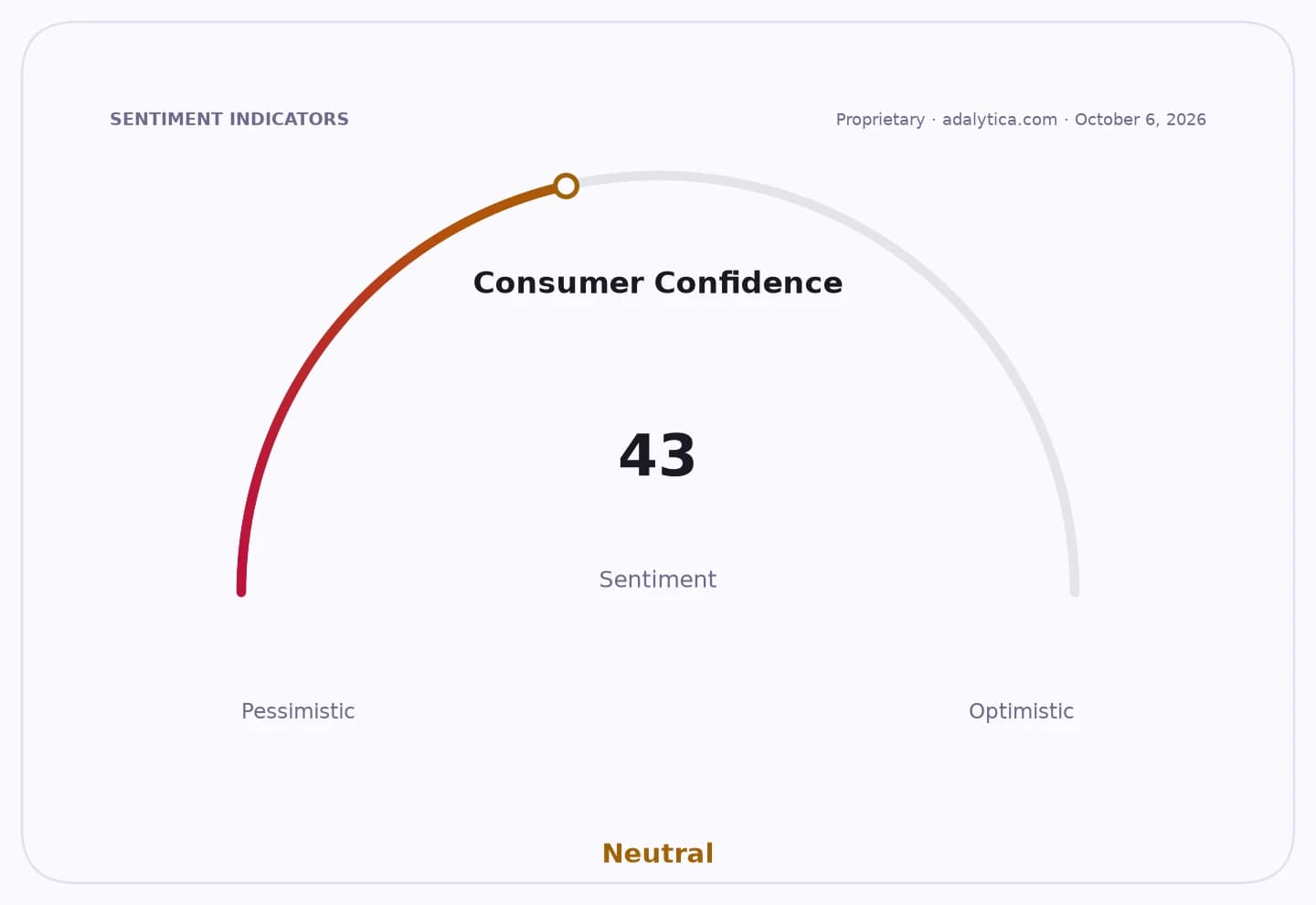
Sentiment IndicatorsⓘProprietary · adalytica.com · October 6, 2026
This is a snapshot — live sentiment, awareness and momentum for 130+ markets update continuously in the dashboard.Open AlphaPulse
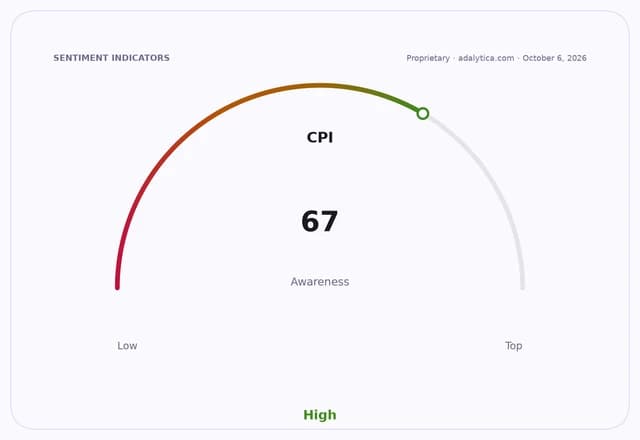
For investors, the message is twofold: households are staying in the labor force longer, and demand for retirement-income planning is likely to remain elevated. That can support insurers and asset managers tied to retirement services, including Prudential Financial and Lincoln National, which both have exposure to retirement, annuity and pension-related businesses.
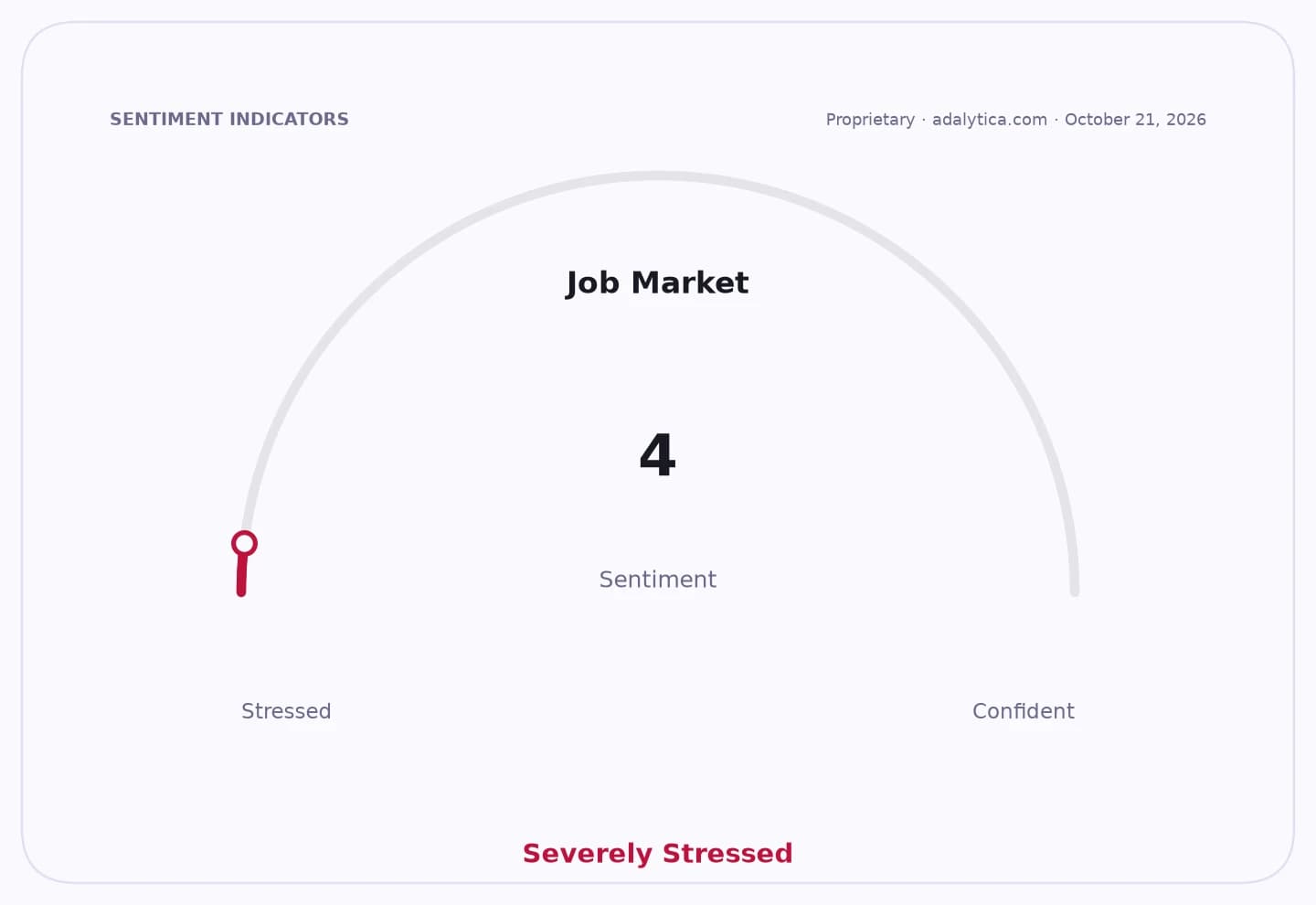
The survey also points to a broader economic consequence. When older workers postpone retirement, openings at the top of the labor market stay occupied longer, which can slow turnover and keep wage dynamics tighter in some sectors. At the same time, retirees who are already out of the workforce may cut spending more aggressively, pressuring discretionary consumption.
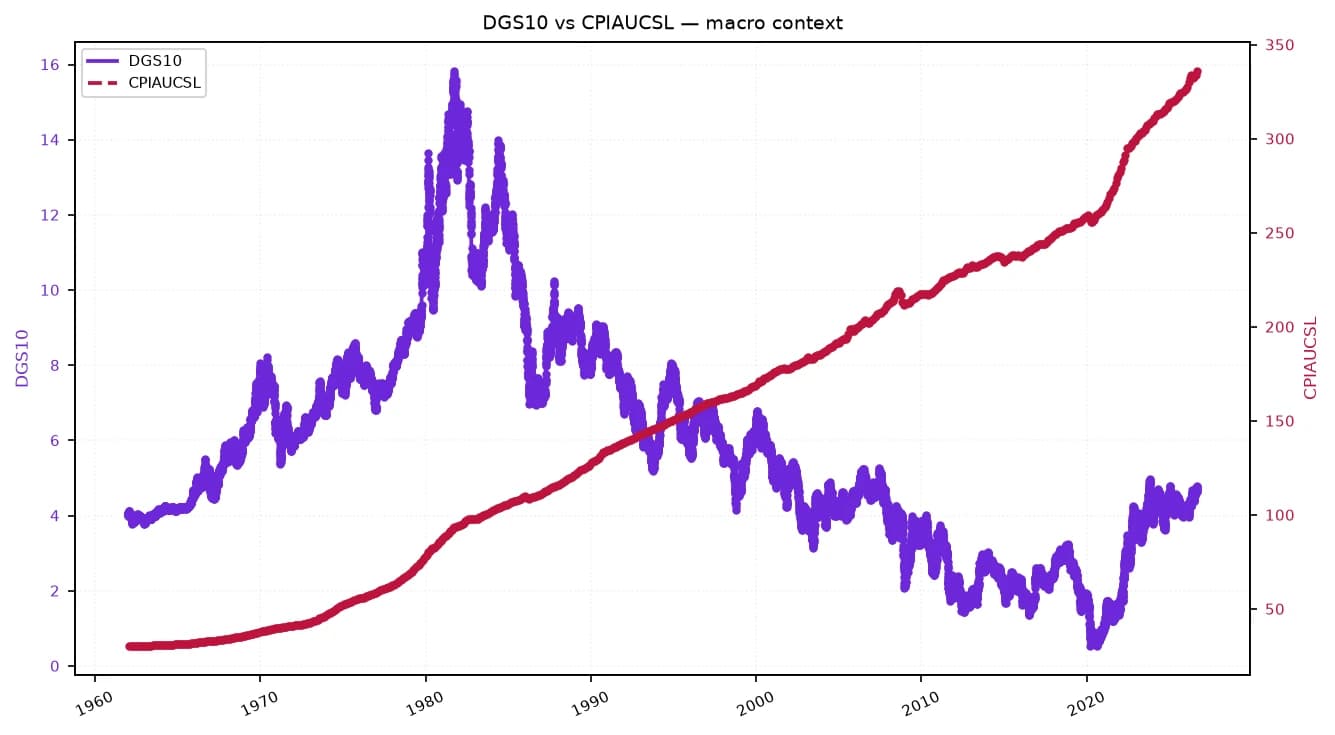
CPIAUCSL vs FEDFUNDS — macro contextadalytica.com
Explore this data interactively — full history, time series and cross-market comparisons.Open AlphaPulse
Markets have already shown how sensitive retirement-linked financial stocks are to the inflation and rate backdrop. Lincoln National shares have retreated toward the low $40s after trading above $120 in July, while Prudential has also fallen from its summer peak. In both cases, technical readings such as the 50-day and 200-day moving averages point to softer momentum, reflecting investor caution around margins, reserves and capital returns.
The inflation retirement gap also helps explain why retirement products remain in focus even as headline price pressures ease. BMO’s survey suggests the need for income certainty is not fading, and that could keep demand firm for fixed annuities, pension risk transfer and advisory services if households continue to seek protection from rising costs.
With the Federal Reserve expected to keep policy only gradually easier and inflation still above pre-pandemic norms, the retirement squeeze is likely to linger. That keeps the issue relevant for consumers, employers and financial firms into 2027, when pension and benefit adjustments will again be tested against living-cost pressures.
| Entity | Gains | Losses |
|---|---|---|
| Retirement insurers | ▲More demand for annuities | ▼Lower-rate pressure on spreads |
| Near-retirees | ▲More planning focus | ▼Delayed exit from work |
| Employers | ▲Longer worker retention | ▼Slower job openings turnover |
| Consumer discretionary sellers | ▲Older workers’ spending hold-up | ▼Retiree spending cuts |