A 72-year-old Japanese retiree living on a 140,000 yen monthly pension is still cutting spending and holding onto savings because inflation, rent and medical costs are leaving little room for anything else.
Japan retiree spending falls as inflation rises
His story matters because it captures a growing strain in Japan’s retirement economy: older households are being forced to behave like workers even after leaving the labor force, as fixed incomes fail to keep pace with living costs. For investors, that means softer discretionary spending from Japan’s aging consumers, continued pressure on retailers and service providers, and a stronger case for products aimed at value-conscious seniors.
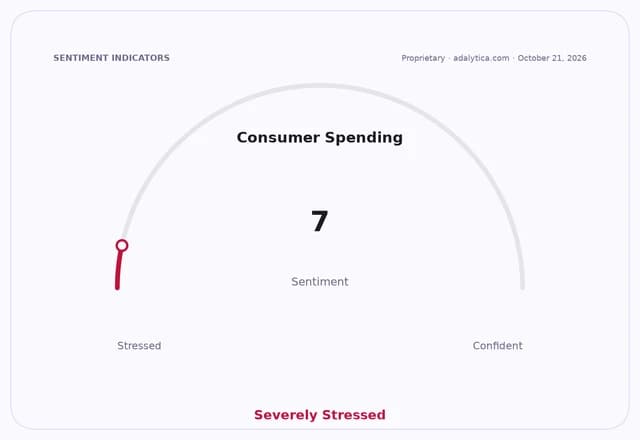
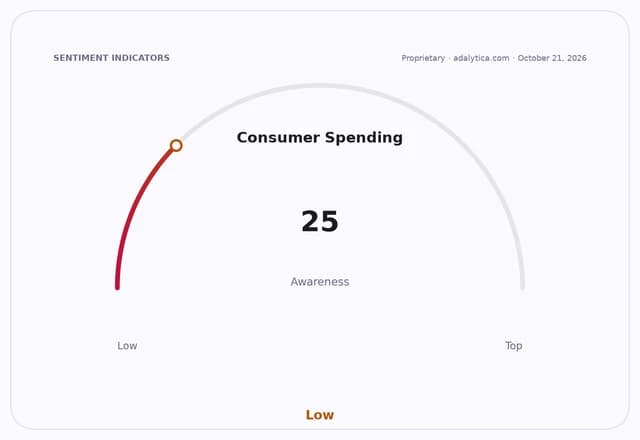
Sentiment IndicatorsⓘProprietary · adalytica.com · October 21, 2026
This is a snapshot — live sentiment, awareness and momentum for 130+ markets update continuously in the dashboard.Open AlphaPulse
The man, a former factory worker who spent more than four decades in the labor force, says he cannot afford to spend freely despite years of saving for retirement. He lives alone in a rental apartment, pays about 50,000 yen a month in rent and is left with roughly 90,000 yen for food, utilities, transport, communications and medical expenses.
Japan’s inflation backdrop is making that math worse. The country’s consumer prices rose 3.2% in 2025, while pension adjustments do not necessarily match the pace of rising expenses, especially for households facing stubborn rent and healthcare costs. That gap is widening the squeeze on single seniors, who have little flexibility to cut fixed costs and limited ability to supplement income with part-time work if health deteriorates.
Official household data underline the pressure. Japan’s average monthly disposable income for single, nonworking people over 65 was 118,465 yen in 2025, while average spending reached 148,445 yen, leaving a shortfall of about 30,000 yen. For many retirees, that means drawing down savings or scrimping on daily life just to stay afloat.
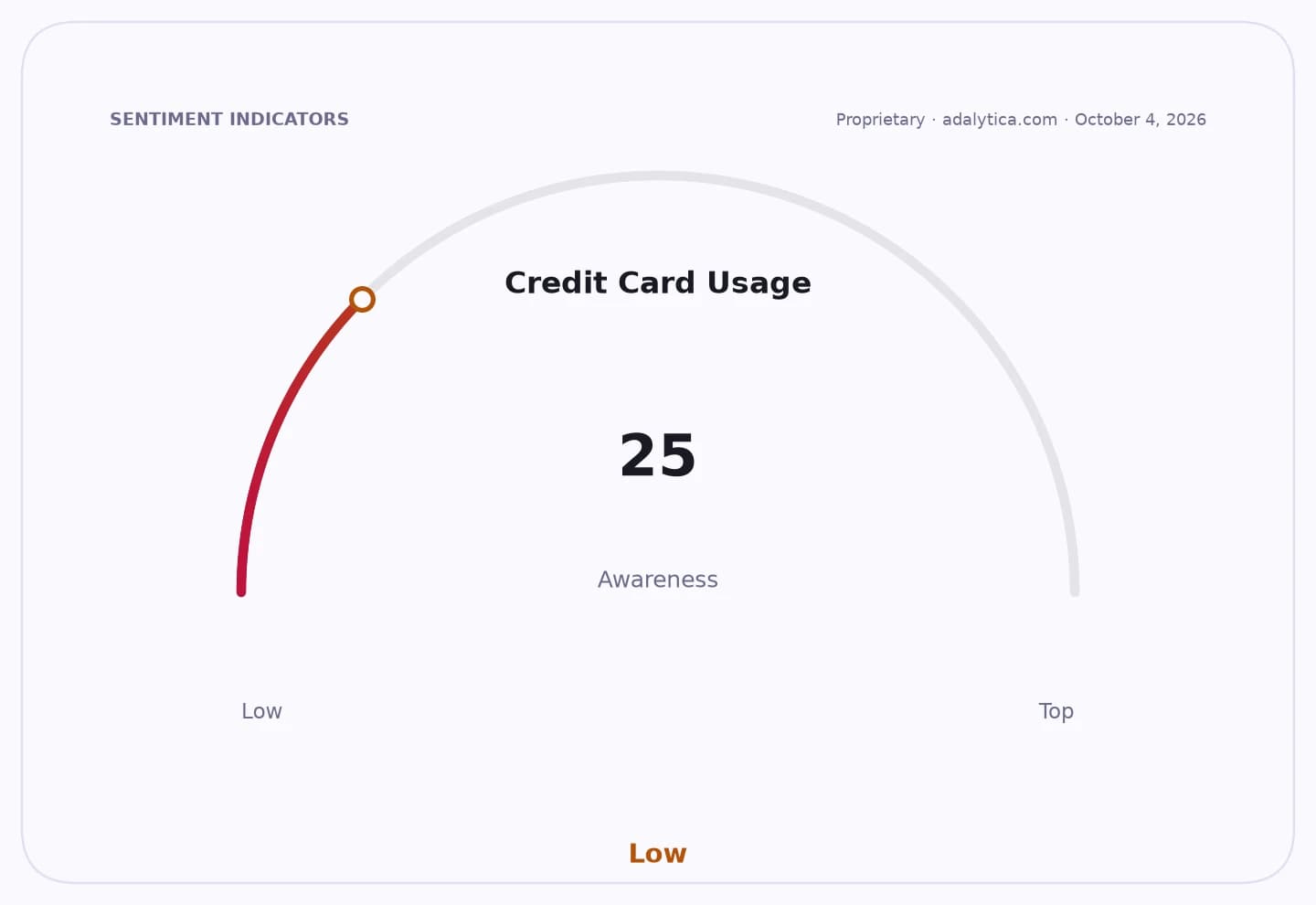
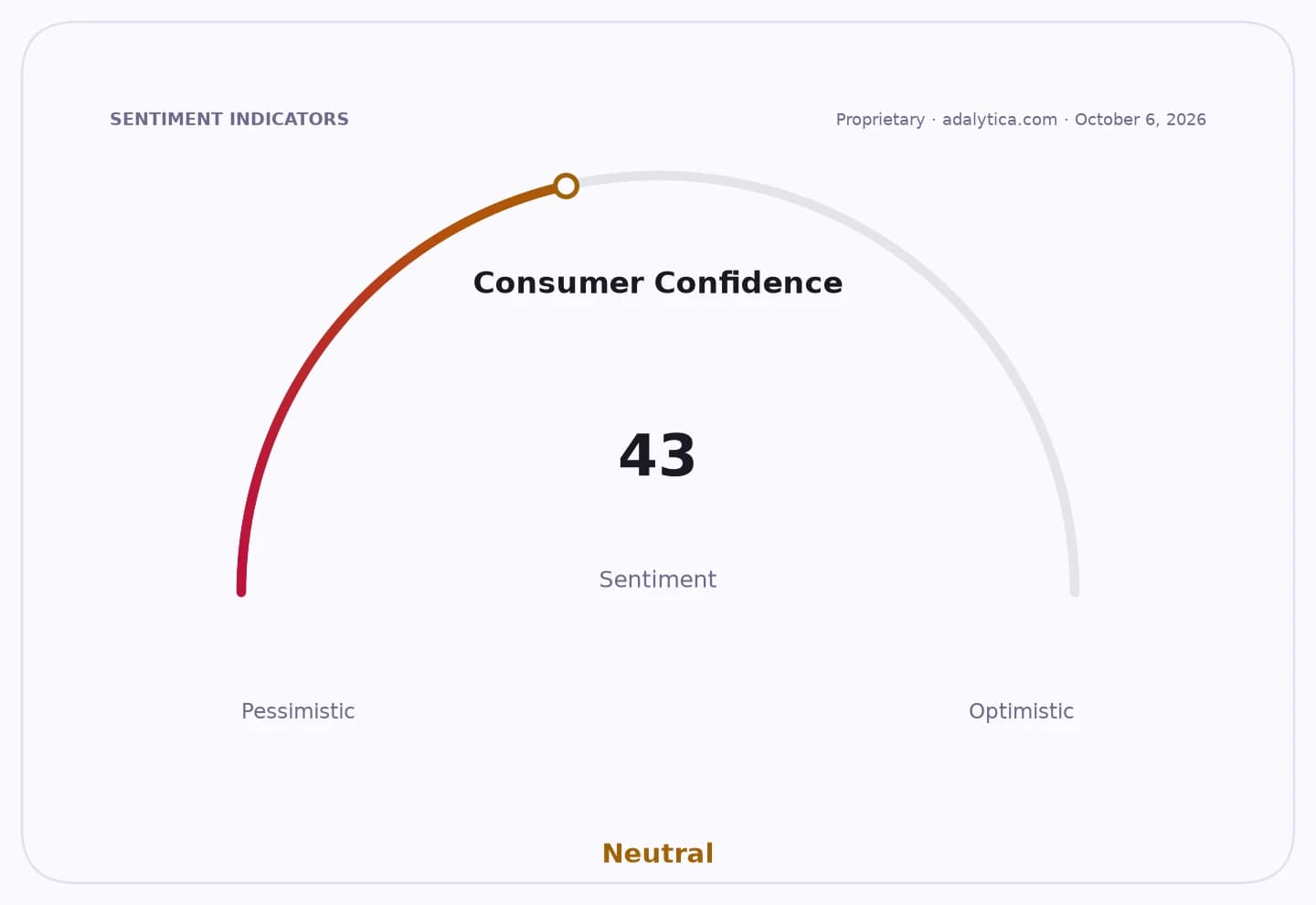
That backdrop is also showing up in sentiment. Adalytica’s Consumer Spending Sentiment gauge is in “Extreme Fear” at 7, while its Household Savings Rate sentiment remains neutral, suggesting households are cautious even as they keep saving. For consumer-facing companies, especially those dependent on nonessential purchases, the risk is that older Japanese shoppers keep trading down rather than opening their wallets.
The broader narrative is straightforward: Japan’s aging population is not just a demographic story, but a household balance-sheet story. As long as inflation stays above pension growth and housing costs remain sticky, retirees are likely to keep prioritizing cash preservation over spending, even after a lifetime of work.
| Entity | Gains | Losses |
|---|---|---|
| Careful retirees | ▲Preserve cash buffers | ▼Lose spending freedom |
| Discount retailers | ▲Value-seeking traffic | ▼Premium sellers |
| Pensioners on fixed incomes | ▲Some protection from overspending | ▼Higher inflation burden |
| Consumer discretionary firms | ▲None | ▼Softer demand from seniors |