Retirement is getting pushed later, and investors should pay attention: a labor market built around longer careers, tighter job openings and weaker early-retirement options is reshaping everything from household spending to the stocks that benefit when older Americans keep working.
Retirement Later, Automation ETFs Benefit
That matters because the old assumption — stop working around 60 or 65 and live comfortably on a pension — is colliding with a world of higher living costs, uneven retirement savings and longer life expectancy. When people work longer, they earn longer, spend longer and delay drawing down savings. That helps keep labor force participation higher, supports tax revenue and eases pressure on public pensions. It also changes what kinds of businesses win, from financial planners and insurers to healthcare providers, industrial automation firms and robot makers.
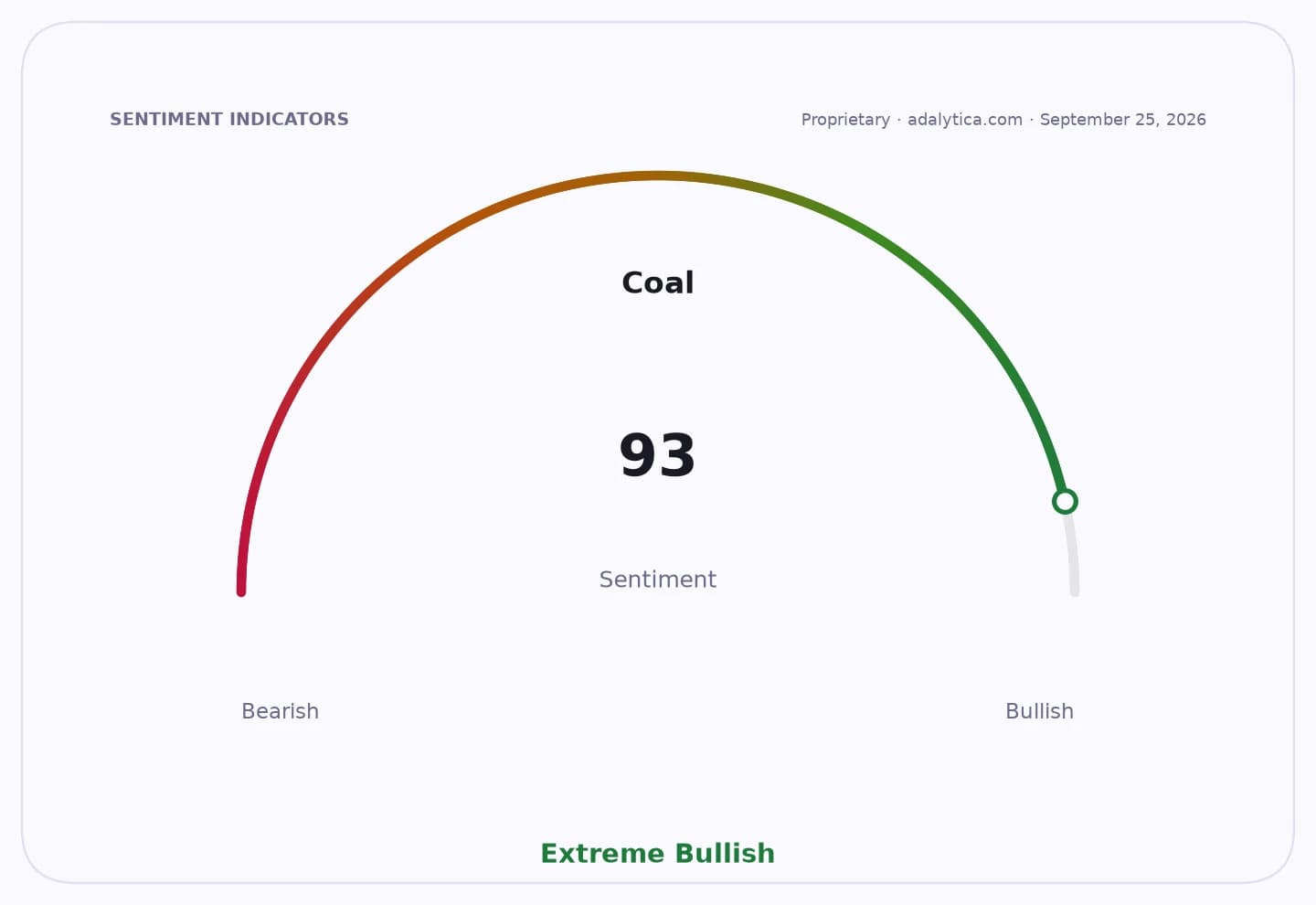
Sentiment IndicatorsⓘProprietary · adalytica.com · August 15, 2026
This is a snapshot — live sentiment, awareness and momentum for 130+ markets update continuously in the dashboard.Open AlphaPulse
The data show a labor market that is still tight enough to keep retirees thinking twice. U.S. unemployment was forecast at 4.09% for August 2026, near the low end of recent history, after drifting down from 4.3% in May to 4.1% in July. Job openings, while off their 2021 peak, were still projected at 7,715,200 in July, which is hardly a sign of a collapsing hiring environment. Industrial production, meanwhile, was expected to edge up to 102.94 in July from 102.64 in June, suggesting the economy is still generating activity even as growth normalizes.
For older workers, that is an important backdrop. A person who retires at 58 and then tries to re-enter the labor market often faces a tougher search than someone in their prime working years. That is why so many people end up in lower-paid, flexible work, or shift into caregiving roles for grandchildren rather than fully exiting the workforce. The narrative here is not just about retirement age on paper. It is about a structural reset in how long people have to work to maintain their standard of living.
For investors, that favors the companies built around an aging but active population. Fidelity, insurers, wealth managers and retirement-plan providers all stand to benefit from more years of contributions and longer fee-earning relationships. Healthcare and assistive-technology companies also gain as an older workforce drives more demand for chronic-care treatment, mobility support and productivity tools. And the retirement age debate adds another secular tailwind for automation and robotics, because businesses facing labor shortages increasingly look to machines to fill gaps that older workers may no longer want to cover.
That is one reason exchange-traded funds tied to robotics and automation have remained in focus. ROBO was trading at $84.83, above its 50-day moving average of $82.91 and comfortably over its 200-day moving average of $76.10, a sign the long-term trend is still intact even after a volatile summer. BOTZ was at $37.74, also above its 50-day and 200-day averages, while IRBO traded at $65.43 after a much sharper run-up and pullback. Their recent moves show investors are still willing to pay for the long-term story of labor substitution, even when short-term sentiment gets choppy.
The macro picture adds another layer. Adalytica’s S&P 500 Trade Signals show sentiment at 47, or neutral, after a steep recent drop in market tone, while global stability sentiment sits at just 4, an extreme-fear reading. That does not mean investors should hide under the bed. It does mean the market is increasingly focused on resilience: businesses that can grow in a world of aging workers, tighter labor supply and uneven policy support.
The biggest risk is policy lag. Governments often talk about retirement reform after the math has already gotten worse, which means workers can end up with too little time to save and too little flexibility to adjust. If retirement ages rise without stronger private savings, better healthcare access and more flexible work options, the pressure simply shifts from the state to households.
Still, the long-term investing takeaway is straightforward: this is a multi-year, not a one-quarter, theme. An economy that asks people to work longer creates winners in retirement services, healthcare, automation and productivity software. If you are building a portfolio for the next decade, this is the kind of structural shift worth watching — and, for patient investors, worth owning through diversified exposure.
| Entity | Gains | Losses |
|---|---|---|
| Older workers | ▲More job options | ▼Later retirement |
| Pension systems | ▲Lower payout pressure | ▼Delayed reform costs |
| Automation ETFs | ▲Stronger labor-substitution demand | ▼Short-term volatility |
| Retirees with weak savings | ▲Flexible work income | ▼Comfortable early exit |