Rice and wheat remain staples, but the economics of what people put on the plate is increasingly shifting toward whole grains, smaller portions and lower-cost choices that support both nutrition and household budgets.
Rice and wheat trends favor whole grains

The core message from the latest nutrition evidence is less radical than many diet trends suggest: rice and wheat are not inherently unhealthy, but how they are processed, portioned and paired with other foods matters more than the grain label itself. That matters because these staples sit at the center of diets in India and many other emerging markets, where food inflation, diabetes prevalence and changing consumer preferences are all reshaping demand.
Sentiment Indicators

Reviews cited in the source material point to a consistent pattern: whole grains generally offer more fibre and can improve aspects of metabolic health, but evidence on refined grains is mixed and not every refined product is equally harmful. A 2018 meta-analysis found that whole-grain rice reduced post-meal blood glucose versus refined white rice in the trials examined, while broader reviews have found that swapping some refined grains for whole grains can improve diet quality and selected health markers. The practical conclusion is not to ban rice or wheat, but to favor less-processed versions more often and to watch serving size.
That distinction has investor relevance well beyond the nutrition aisle. Food makers, grocers and packaged-food brands are being pushed to reformulate and relabel products as consumers become more selective about fibre, sugar and “brown” or “multigrain” claims. The risk for investors is that demand may shift away from highly processed grain products without disappearing from staple categories altogether. The opportunity is for brands that can credibly sell affordable, higher-fibre offerings without relying on health halo marketing.
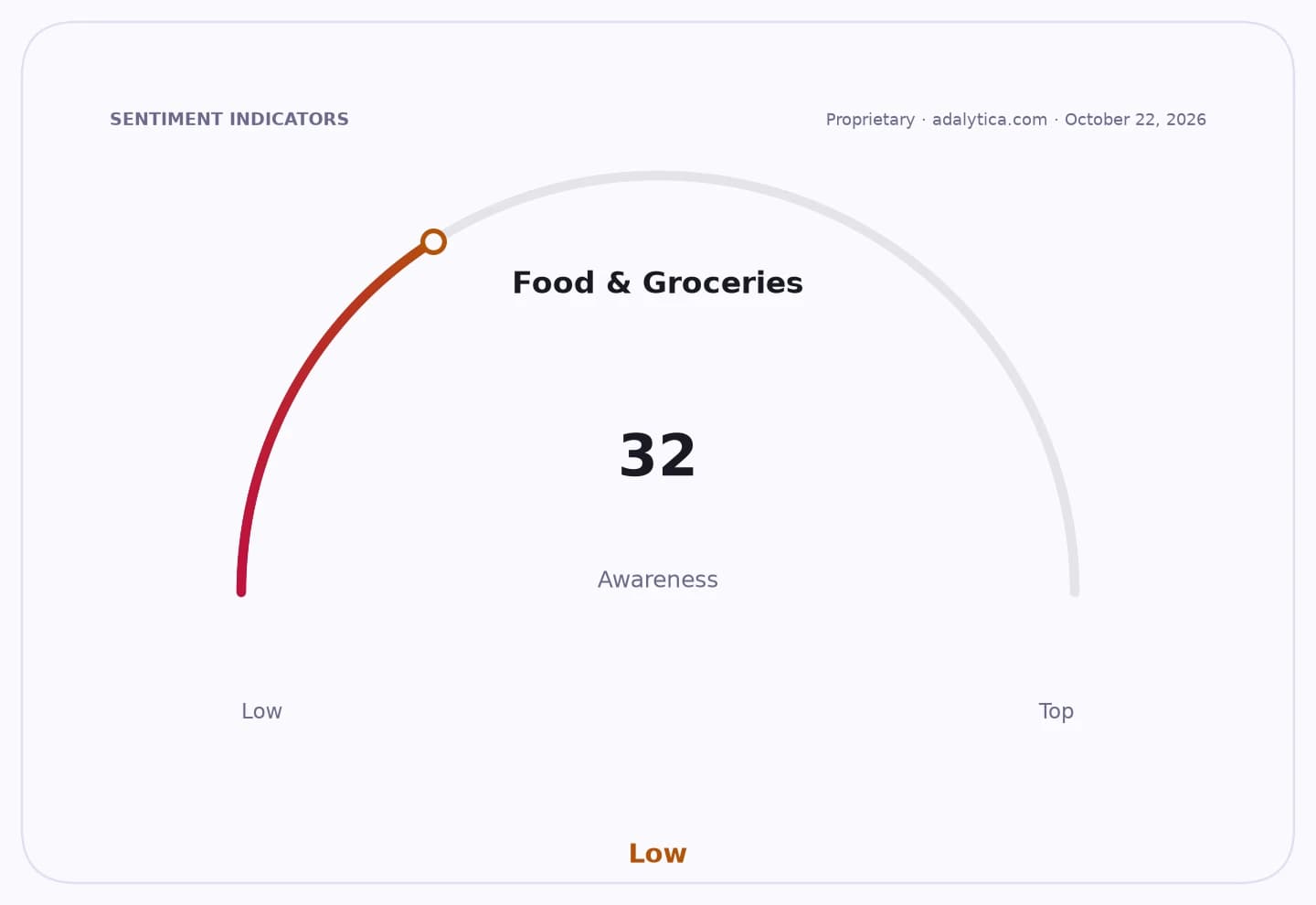
The message also lands at a time when food affordability remains sensitive. Adalytica’s Food and Grocery Spending Sentiment gauge is in fear territory at 18, down 7 points in a day and 44 points over 30 days, indicating consumers are becoming more cautious on discretionary food spending. That backdrop favors value-based nutrition: consumers are unlikely to abandon rice and wheat wholesale, but they may trade up selectively to brown rice, whole-wheat atta, oats, barley and minimally processed millets when the price gap is manageable.
For grain producers and packaged-food companies, the bull case is that the shift toward whole grains widens the market rather than shrinking it, with room for premium and mass-market products. The bear case is that consumers become more skeptical of refined-grain products and “healthy” labels, forcing more expensive reformulation and marketing changes while volume growth stays anchored to low-cost staples. The likely outcome is a slower, more incremental rotation in the basket rather than a clean break from rice and wheat.
Technically, SMPL’s share price has been volatile, with the stock still below its 200-day moving average, but recent rebounds suggest investors are already distinguishing between staple demand and the mix of products that benefit from the whole-grain trend. The broader read-through is that nutrition science is not eliminating core grains from the diet; it is re-rating which versions of those grains deserve shelf space, pricing power and consumer loyalty.
| Entity | Gains | Losses |
|---|---|---|
| Whole-grain brands | ▲Higher demand | ▼Refined-grain rivals |
| Value-focused consumers | ▲Affordable nutrition choices | ▼Premium-priced “health” claims |
| Grain processors selling brown/less-refined products | ▲Product mix upgrade | ▼Low-fibre staples |
| Packaged-food makers with weak reformulation | ▲Slower adjustment costs | ▼Market share to healthier offerings |