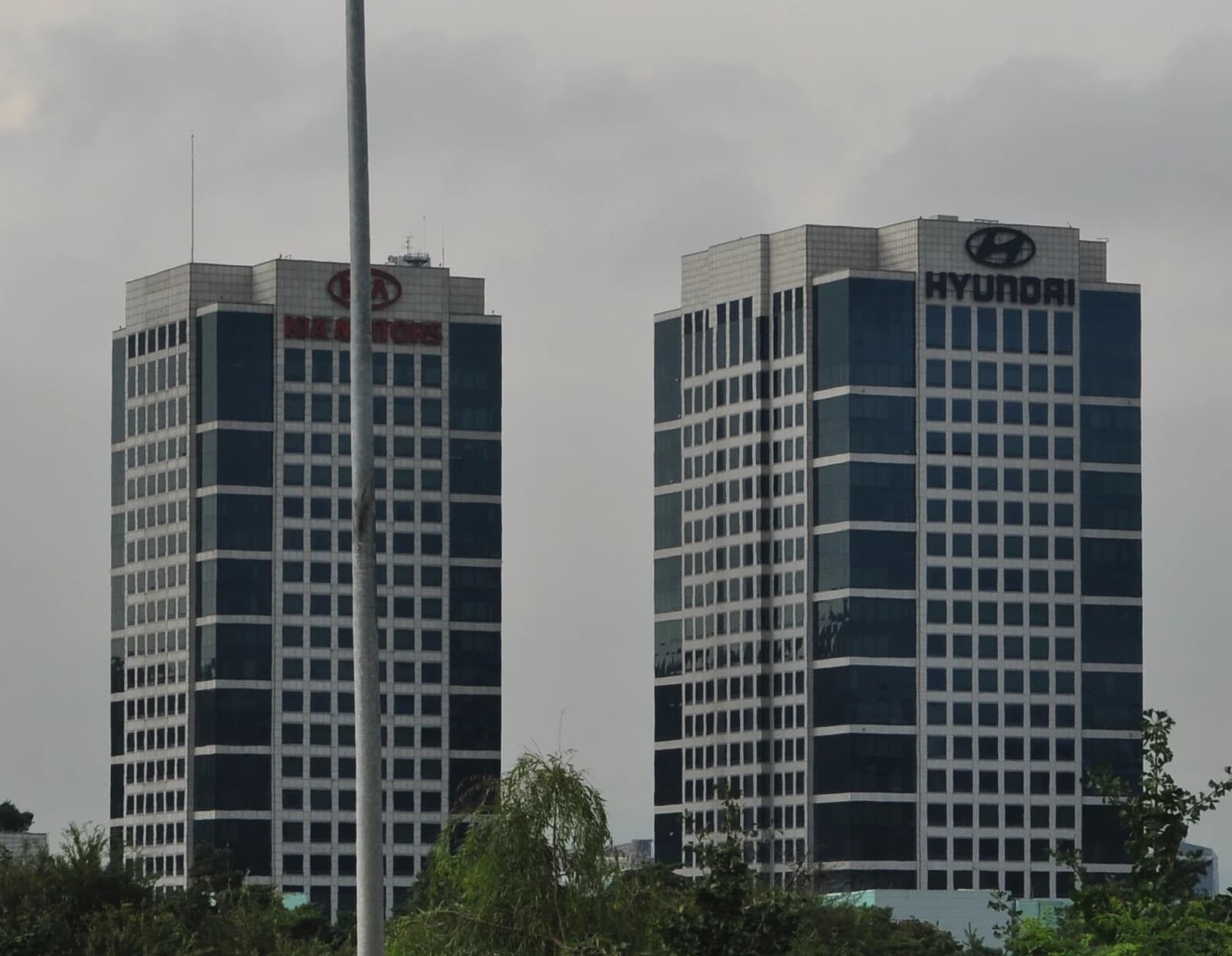
Iron ore’s latest slide is forcing investors to question how durable the earnings engine behind Rio Tinto and BHP really is, even after both miners delivered strong production and cash-flow updates.
Rio Tinto, BHP near 50-day averages as iron ore weakens

The challenge is not a collapse in demand so much as a market that is becoming less forgiving. Steel and iron ore prices have weakened amid continued volatility in supply, concerns over how China’s state-backed iron ore purchasing power is being used, and renewed geopolitical anxiety that has fed into commodity selling. That leaves the sector exposed to every shift in Beijing’s buying stance, and to any sign that seaborne supply can outpace steel demand.
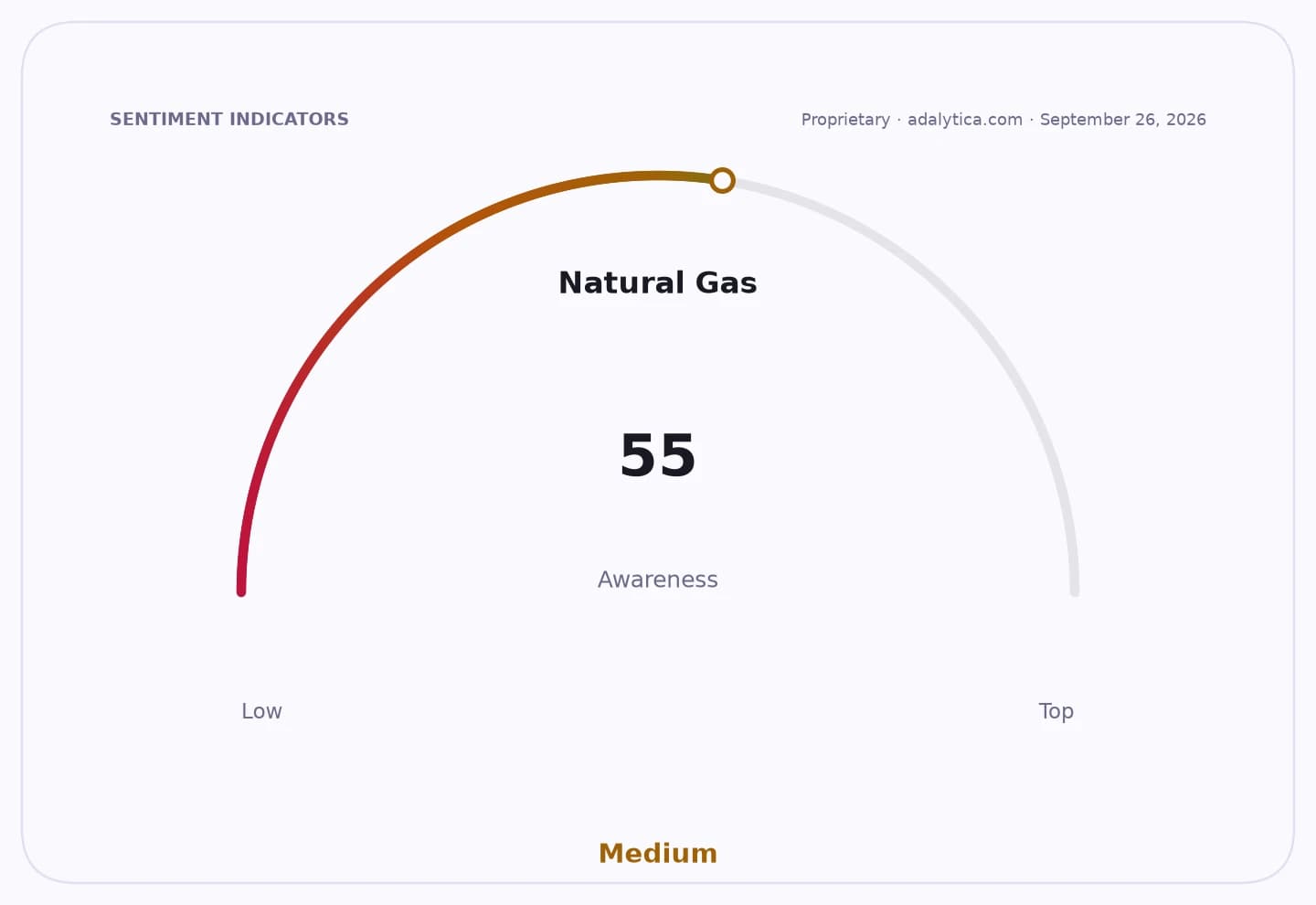
Sentiment IndicatorsⓘProprietary · adalytica.com · August 1, 2026
This is a snapshot — live sentiment, awareness and momentum for 130+ markets update continuously in the dashboard.Open AlphaPulse
The benchmark for iron ore delivered to China has climbed over the long run, but recent moves show the market is not straight-line bullish. The Producer Price Index for iron ore, which stood at 286.827 in June, is forecast to rise to 295.8433 in July after a 10.04% jump in April and a 2.73% gain in May. Yet that comes alongside a recent weakening in crude oil and a 10-year US Treasury yield still above 4.6%, a backdrop that keeps pressure on global growth-sensitive commodities and on the discount rates investors use to value miners’ cash flows.
For Rio and BHP, the immediate issue is that iron ore still does the heavy lifting. Rio’s shares have recovered from March’s low near $83 to about $96.85, while BHP has rebounded to $84.49 from $65.29. Both stocks are now trading close to their 50-day moving averages, suggesting the market is not pricing either as a panic story, but neither is it granting a full rerating. Technical readings are mixed rather than euphoric: Rio’s 50-day average sits near $97.80 and BHP’s near $84.78, with both names having been volatile enough in recent months to show how quickly sentiment can reverse when iron ore turns.
The fundamental risk is concentration. BHP’s own filings note that iron ore demand is heavily tied to Chinese steelmakers. That dependency is the core of the empire and also the source of the doubt. If Chinese purchasing weakens, or if policy shifts reduce the urgency of spot buying, the sector’s pricing power fades fast. The latest market tone suggests traders are increasingly treating rallies as tactical rather than durable.
Vale tells a more cautious version of the same story. Its shares have climbed from about $10.21 in October to $15.06, but they remain well below the highs seen earlier this year, underscoring how sensitive the stock remains to iron ore pricing and Brazilian supply expectations. Vale has also leaned on capital returns, including a new buyback program, to reinforce confidence in the business. That may support the stock in the short term, but buybacks cannot fully offset weaker realized prices if the market continues to drift lower.
Investors should view the current phase less as a demand collapse and more as a credibility test for the sector’s long-cycle bull case. Bullish arguments still rest on constrained supply, record-level production at the majors and the possibility that Chinese steel output stabilizes. The bearish case is that China’s demand recovery remains uneven, policy buying is less supportive than before and prices revert to levels that compress margins and free cash flow.
For now, the market is saying the iron ore empire is intact, but its crown is lighter. The next catalyst will be whether Chinese steel production and imports can hold up through the next round of policy and geopolitical noise — or whether the latest weakness becomes the start of a more lasting reset in iron ore earnings.
| Entity | Gains | Losses |
|---|---|---|
| Rio Tinto | ▲Strong cash flow if prices stabilize | ▼Earnings leverage if ore weakens |
| BHP | ▲Record production and scale | ▼China demand dependence |
| Vale | ▲Share buybacks, lower-cost rebound | ▼Spot price volatility |
| Chinese steelmakers | ▲Lower input costs | ▼Less supply certainty |