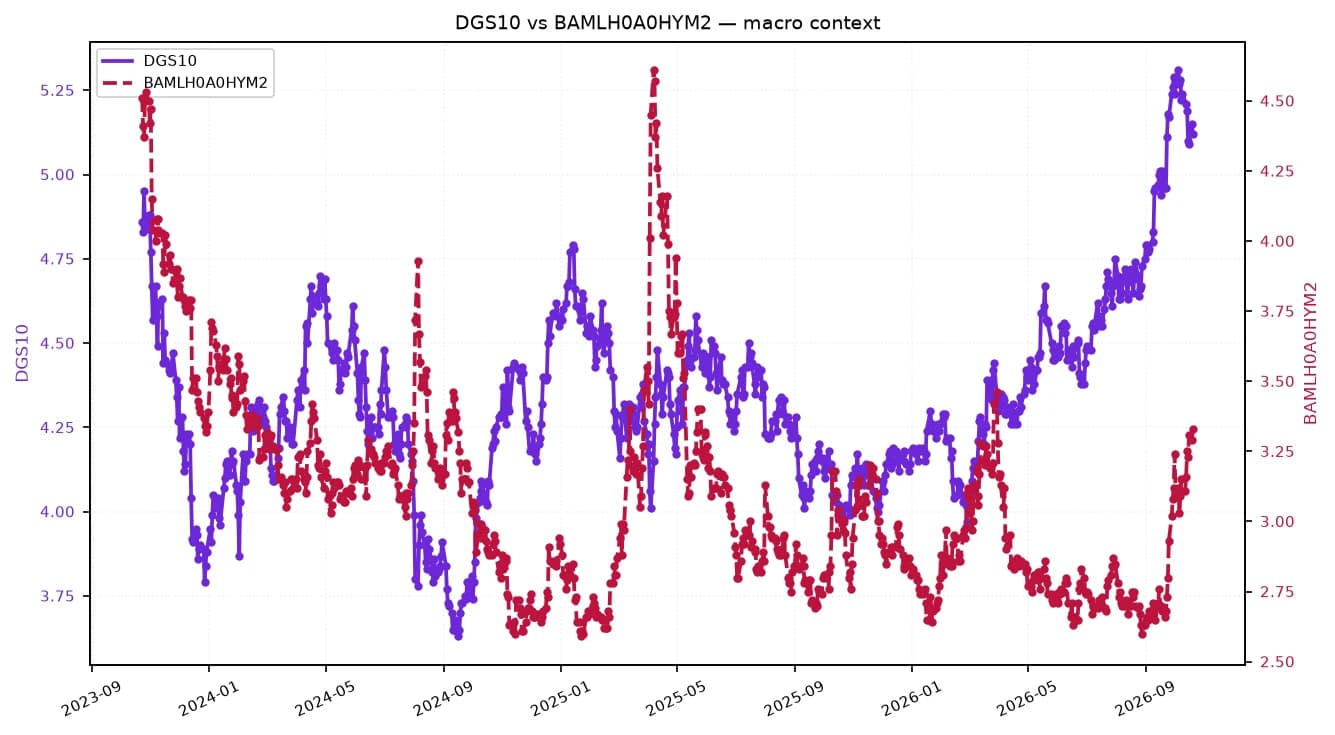
Robinhood Markets, Interactive Brokers and Charles Schwab are benefiting from a renewed surge in debt trading activity as investors keep chasing yield and rotating through fixed income, even as household debt stress and broader fiscal worries build.
Robinhood, IBKR and Schwab Benefit From Debt Trading

The move matters because debt trading is one of the clearest gauges of how much risk investors are willing to take on, and it is feeding directly into revenue for online brokerages and wealth platforms that make money on transaction volume, net interest income and client cash balances. It also shows that retail and active traders are not pulling back despite rising concern over public debt, consumer leverage and patchier credit conditions.
Sentiment IndicatorsⓘProprietary · adalytica.com · October 12, 2026
This is a snapshot — live sentiment, awareness and momentum for 130+ markets update continuously in the dashboard.Open AlphaPulse

Robinhood shares have swung sharply but remain above their 50-day moving average, with the stock closing at $109.02 on Oct. 9 after trading as low as $71.12 in February, underscoring how volatile the name remains even after a big recovery. The company’s momentum in debt-related trading comes as its technical readings have cooled from overbought levels, while the broader market backdrop still favors high participation in rate-sensitive and income-generating assets.
Interactive Brokers, which closed at $87.87 on Oct. 9, has also held up better than many financial peers, trading above its 200-day moving average and near its recent range. Schwab, meanwhile, ended at $96.70 after pressure in early October, but its long-term positioning remains tied to the same theme: active trading and cash management stay lucrative when investors keep moving money across bonds, credit and money-market products.
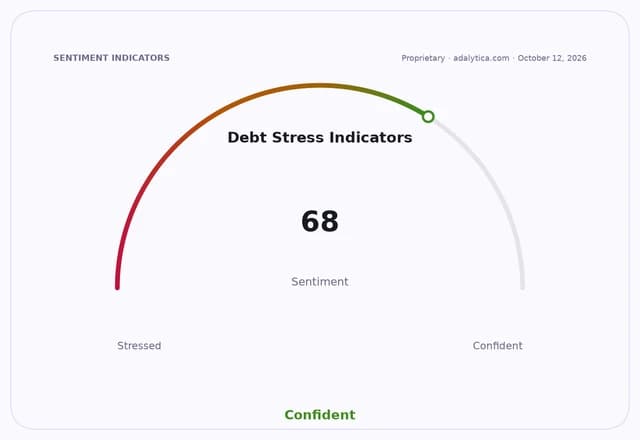
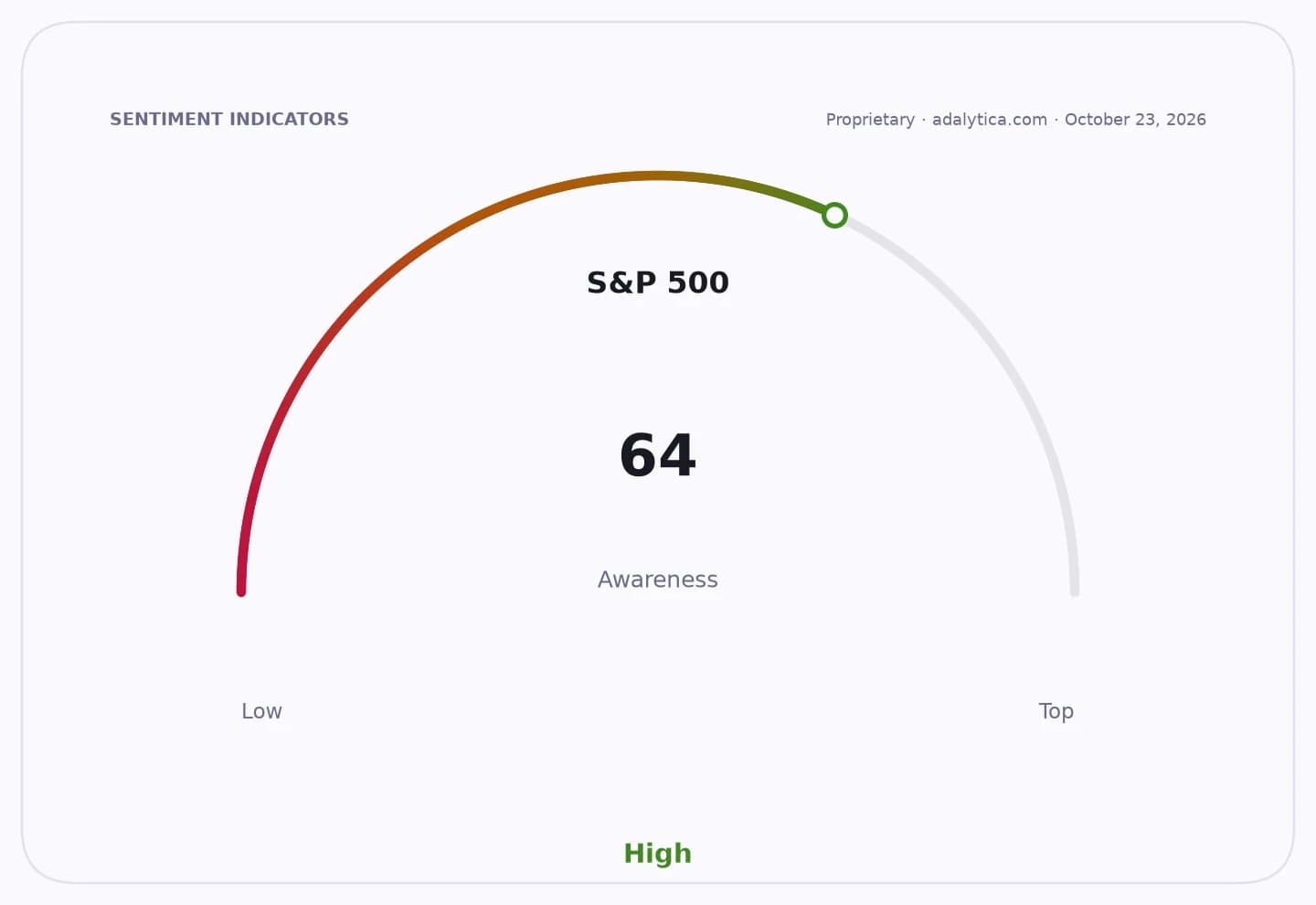
The trend arrives as Adalytica’s S&P 500 trade signals show “Extreme Greed,” while its household debt stress reading remains elevated and awareness of debt risks is still described as “Extreme Fear.” That combination suggests investors are buying risk even as they acknowledge leverage concerns, a mix that can keep volumes strong for brokers but also raise the chance of abrupt reversals if credit stress worsens or markets reprice rates.
For investors, the key question is whether the debt-trading burst proves durable or is just another short-lived spike tied to rate expectations and shifting sentiment. Any cooling in volatility, a pullback in retail activity or fresh signs of consumer strain could hit brokerage commissions and asset flows, while continued appetite for bonds and credit would keep Robinhood, IBKR and Schwab in focus into the next trading update.
| Entity | Gains | Losses |
|---|---|---|
| Robinhood (HOOD) | ▲Higher trading volume | ▼Volatility risk |
| Interactive Brokers (IBKR) | ▲Active fixed-income flow | ▼Slower market swings |
| Charles Schwab (SCHW) | ▲Client cash and bond activity | ▼Credit-stress spillover |
| Household borrowers | ▲Debt relief focus | ▼Higher leverage pressure |