AI chips designed for the harsh environment of space may be proving their technical durability, but investors are now confronting a harder question: whether the companies building the orbital AI stack can finance the race long enough to make it commercial.
Rocket Lab, Spire, Redwire Fall on Funding Concerns
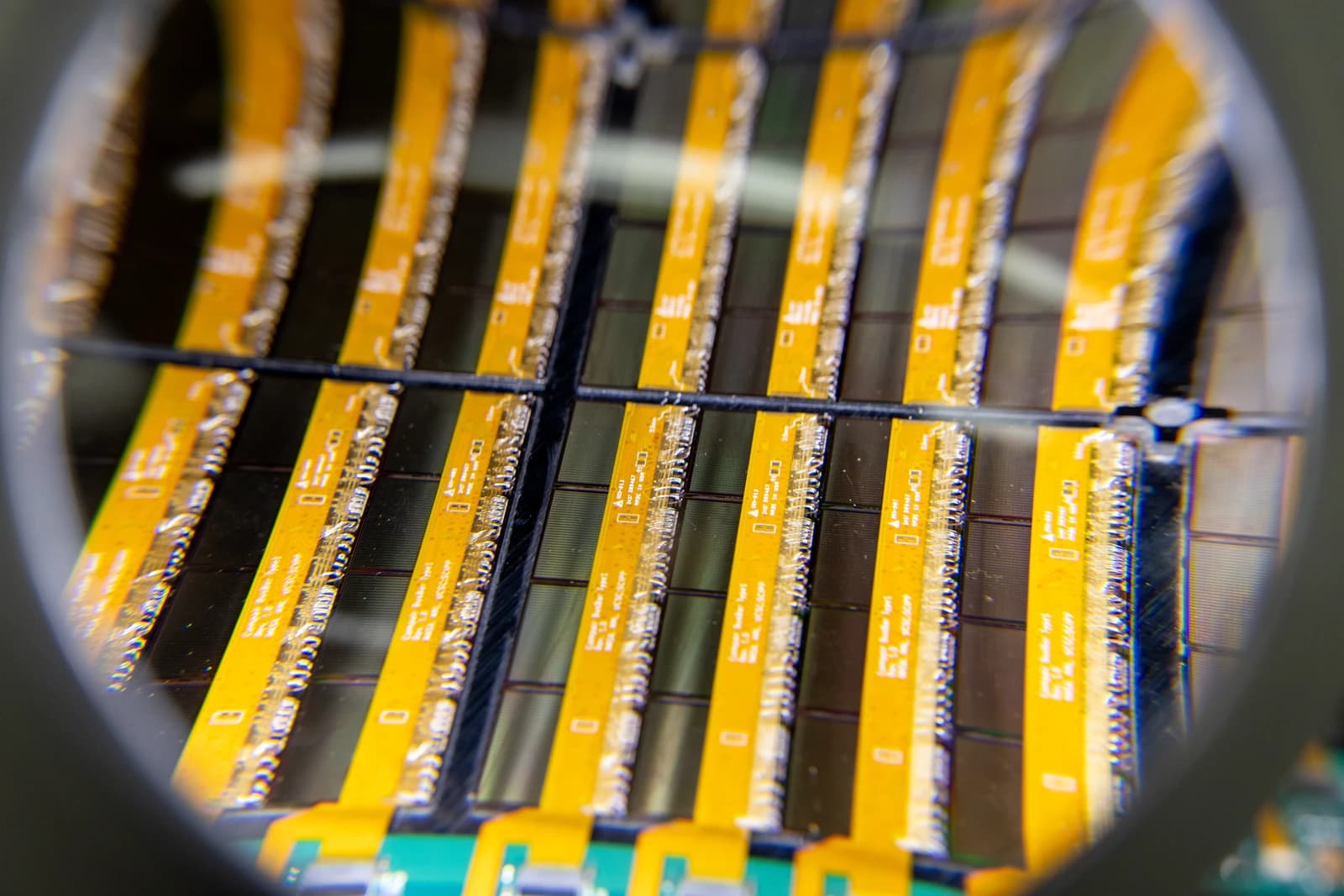
That matters because the next phase of the space economy is increasingly about compute, not just launch. Satellites that can process data on board, rather than beam everything back to Earth, promise lower latency, less bandwidth strain and a more defensible market for defense, intelligence and industrial customers. But the economics are capital-intensive, and the latest price action in the space names suggests the market is becoming less forgiving of that funding burden.
Sentiment Indicators
Spire Global, which sits at the intersection of satellite data and space infrastructure, has fallen to $7.36 from $8.14 on Nov. 18, leaving it well below its 50-day moving average of $9.91 and more than 40% under its 200-day average of $13.58. Redwire has dropped to $5.65 from $6.82 over the same period, also trading below both its 50-day and 200-day averages. Rocket Lab, a bellwether for the broader space hardware trade, slid to $45.42 from $53.07 and remains materially below its 50-day average of $61.34. The charts point to a sector that still draws interest, but no longer enjoys the same premium for future promise.
The macro backdrop is doing little to help. U.S. rates remain elevated, with the Fed funds rate at 3.88% and the 10-year Treasury near 5.0%, a combination that raises the cost of capital for long-duration technology bets. That is especially punishing for space companies, which often need years of investment before contracts turn into steady cash flow. In that environment, even technically compelling projects can struggle to attract patient financing unless they have clear government demand, recurring revenue or strategic backing.
For investors, the divide is becoming clearer. Bullish holders can argue that space-based AI is one of the few credible ways to extend the edge of U.S. chip design beyond Earth, especially as export restrictions tighten and Washington tries to preserve technological superiority over China. Military and national-security applications could provide the first meaningful demand curve, giving suppliers pricing power and a reason for governments to underwrite the buildout. Bearish investors, meanwhile, will point to dilution risk, weak operating leverage and the likelihood that only a handful of players can fund the long runway required.
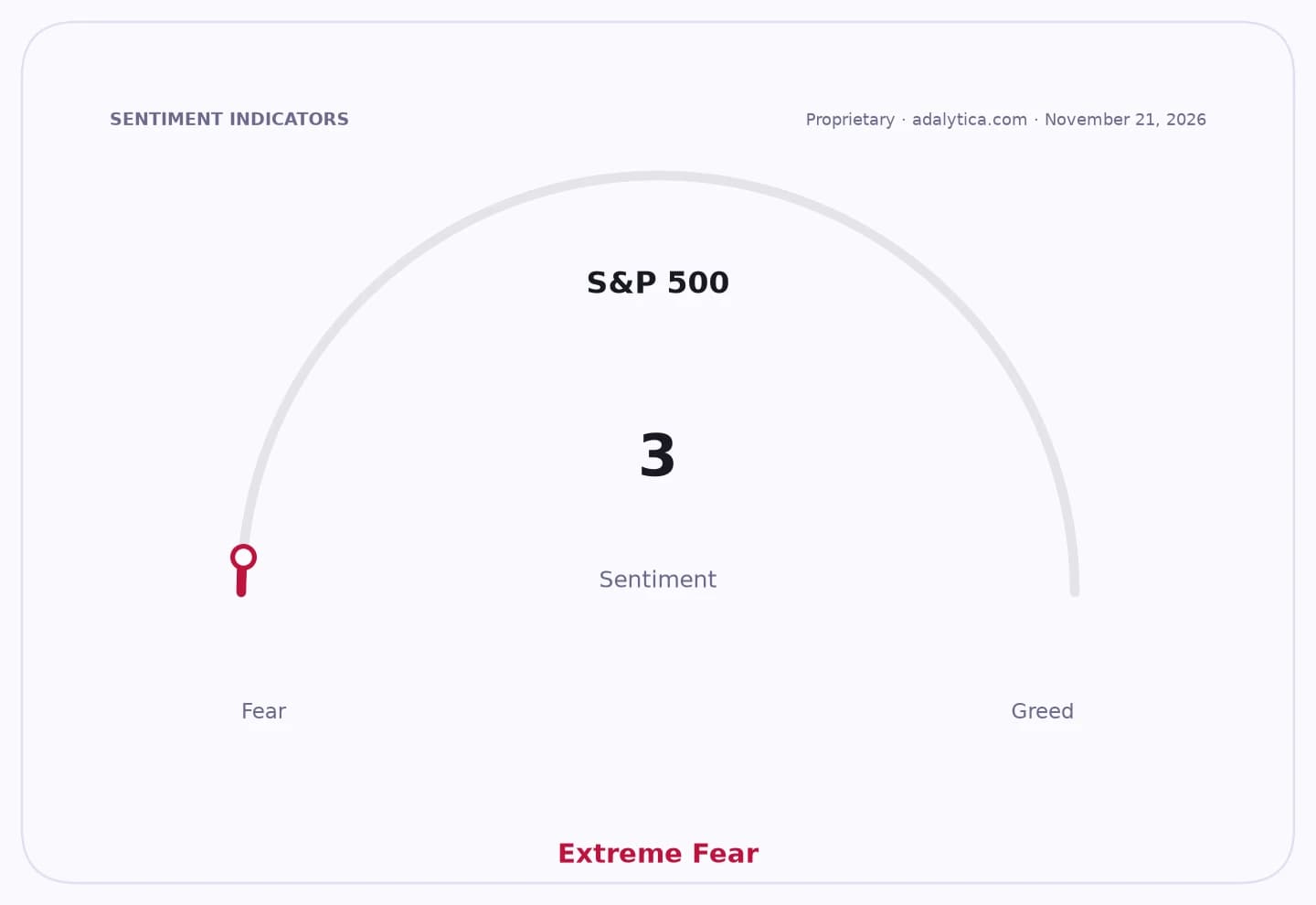
The latest sentiment gauges underscore that caution. Adalytica’s AI sentiment snapshot shows extreme fear at 11, even as awareness remains at 96, while the S&P 500 trade-signal gauge also sits in extreme fear. That does not mean the theme is broken; it means enthusiasm is colliding with financing reality.
The key test now is whether space AI can move from promising engineering to repeatable economics. If government demand accelerates and capital markets stabilize, the winners could be the firms that can combine orbital compute with defense-grade reliability. If not, the technology may survive re-entry more easily than the balance sheets supporting it.
| Entity | Gains | Losses |
|---|---|---|
| Space AI chip developers | ▲Strategic demand | ▼Financing discipline |
| Defense and intelligence buyers | ▲On-orbit processing | ▼Dependence on foreign supply chains |
| Long-term investors | ▲Secular AI optionality | ▼Dilution and execution risk |
| Higher-rate capital markets | ▲Pricing power | ▼Capital-intensive space startups |