Romania’s hospitality employers are pressing for more foreign workers, arguing that lower-paid migrant staff are becoming essential to keep restaurants and hotels running as local labor remains scarce and young unemployment stays elevated.
Romania Hospitality Employers Push for Foreign Workers

The debate matters because it goes straight to the economics of HoReCa in a market where wages, staffing and service quality are now tightly linked. If employers cannot fill shifts domestically, they either raise pay, accept thinner margins or rely more heavily on workers from abroad. For investors, that mix affects profitability across restaurants, hotels and franchise-heavy consumer businesses, especially at a time when consumers are weakening and companies are already under pressure to protect operating margins.
Sentiment IndicatorsⓘProprietary · adalytica.com · September 4, 2026
This is a snapshot — live sentiment, awareness and momentum for 130+ markets update continuously in the dashboard.Open AlphaPulse

Călin Cozma, executive chairman of the Federation of Employers in Hospitality, said Romania needs foreign labor because too few workers remain in the country and many have left for better-paying jobs elsewhere. He said employers are drawn to foreign hires because they “earn less and have lower claims,” a blunt acknowledgment of how cost competition is shaping hiring decisions in the sector.
The comments also underline a second problem: the supply of domestic workers is not just short, but often mismatched. Cozma said lower payroll taxes and better training would be needed to bring more Romanian workers into hospitality, while FPIOR vice president Corina Macri criticized the dual-education system, saying companies invest in trainees for three years only to lose them before they can become reliable long-term staff.

That tension is economically significant beyond Romania. Hospitality is a labor-intensive industry, so even modest changes in wage bills can ripple quickly through margins. In a market where staffing shortages already affect service speed and customer satisfaction, companies with greater flexibility on labor sourcing may outperform peers stuck with higher churn or unfilled positions. The issue also feeds into broader inflation dynamics: if domestic labor is tight, businesses can either absorb higher wages or pass costs on to consumers.
For global chains, the risk is not confined to local operators. McDonald’s has disclosed continued staffing challenges at some restaurants, which can hurt operations and service levels, and its shares have been under pressure, with the stock closing at $260.95 on Sept. 2, below its 200-day moving average of $292.25. Marriott has also been sliding, closing at $333.14 on Sept. 2 versus a 200-day average of $342.93, as the market weighs softer travel demand and the sensitivity of hotel profits to labor and occupancy trends. Both names remain exposed to labor inefficiencies even when demand is stable.
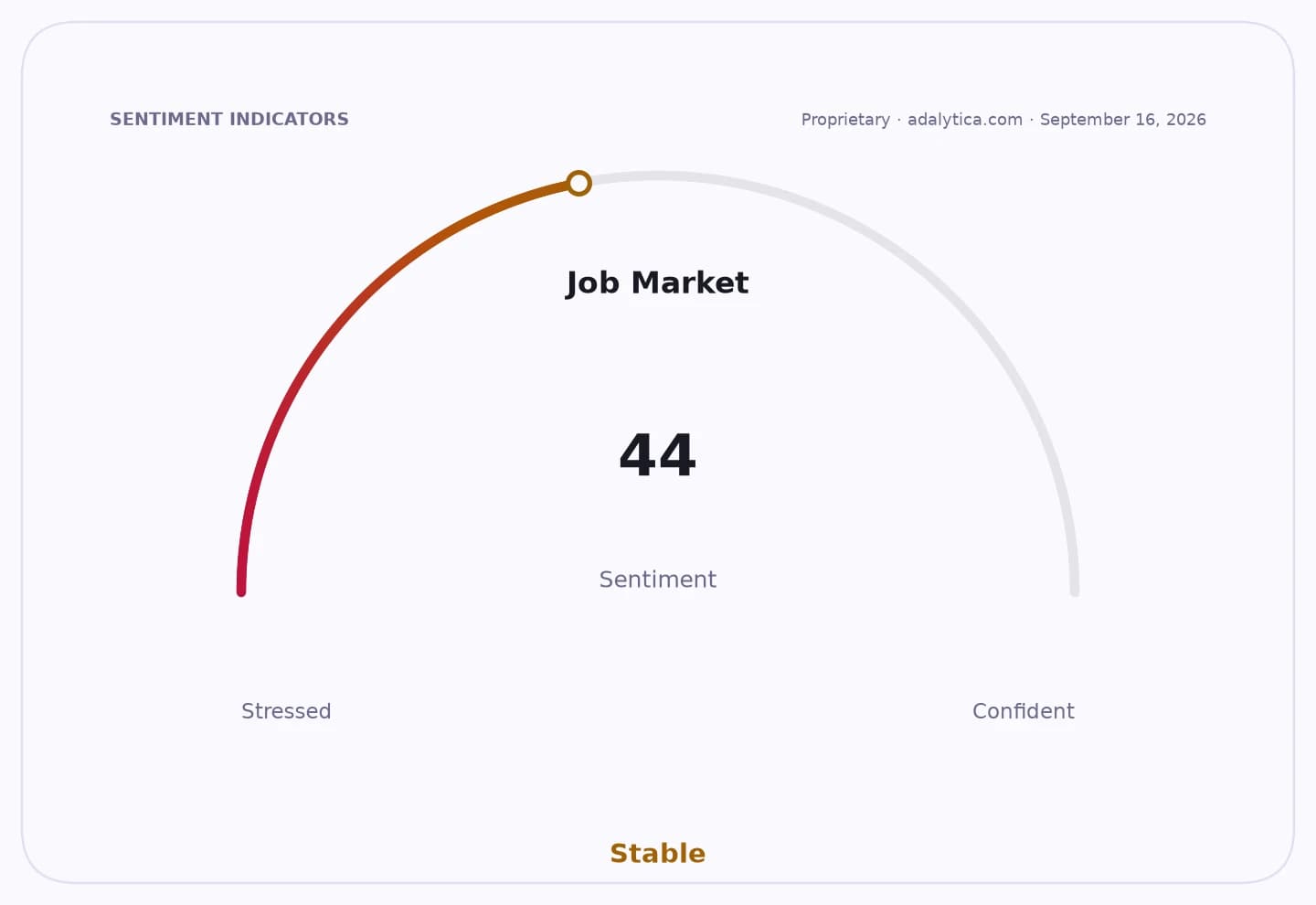
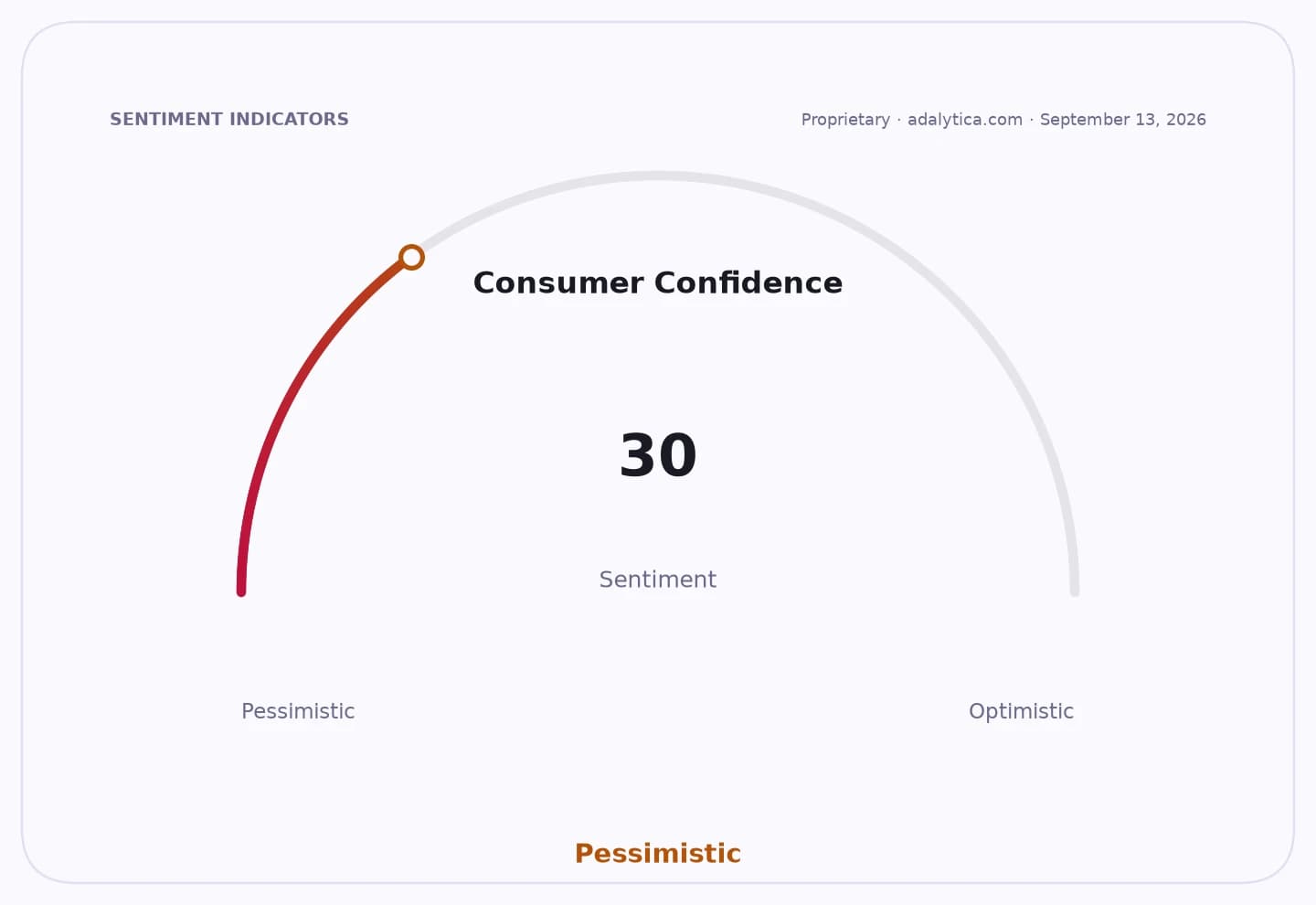
The broader backdrop suggests the problem is structural rather than cyclical. Adalytica’s job-market snapshot shows sentiment in neutral territory, while a separate consumer-confidence gauge is in extreme fear, a combination that points to hesitant hiring and weak household demand. That is the environment in which employers look abroad for workers: not because it solves the labor shortage entirely, but because it offers a faster, cheaper way to keep businesses open.
For investors, the near-term question is whether governments respond with looser migration rules, payroll-tax relief or more aggressive training subsidies. If they do, labor costs could stabilize and service businesses may preserve margins. If they do not, wage pressure and staffing gaps are likely to remain a drag on hospitality earnings across restaurants, hotels and franchise systems that depend on steady frontline labor.
| Entity | Gains | Losses |
|---|---|---|
| HoReCa employers | ▲Lower staffing costs | ▼Domestic wage pressure |
| Foreign workers | ▲More hiring demand | ▼Political pushback |
| McDonald’s franchisees | ▲Easier shift coverage | ▼Higher labor churn |
| Romanian workers | ▲Training subsidies | ▼Foreign labor competition |