Health workers at nearly 500 Romanian hospitals are warning that the government’s wage overhaul may be built on a premise economists increasingly doubt: that more schooling or qualifications automatically justify materially higher pay.
Romania Wage Fight Raises Cost Pressures

That matters because the fight is not just about one draft law. It goes to the heart of how Romania allocates labor, funds public services and contains wage inflation at a time when the economy is still absorbing higher borrowing costs and a fragile growth backdrop. If the new unitary wage law rewards credentials without lifting productivity, it risks locking in higher labor costs for the state while doing little to solve staffing shortages, especially in hospitals already under pressure.
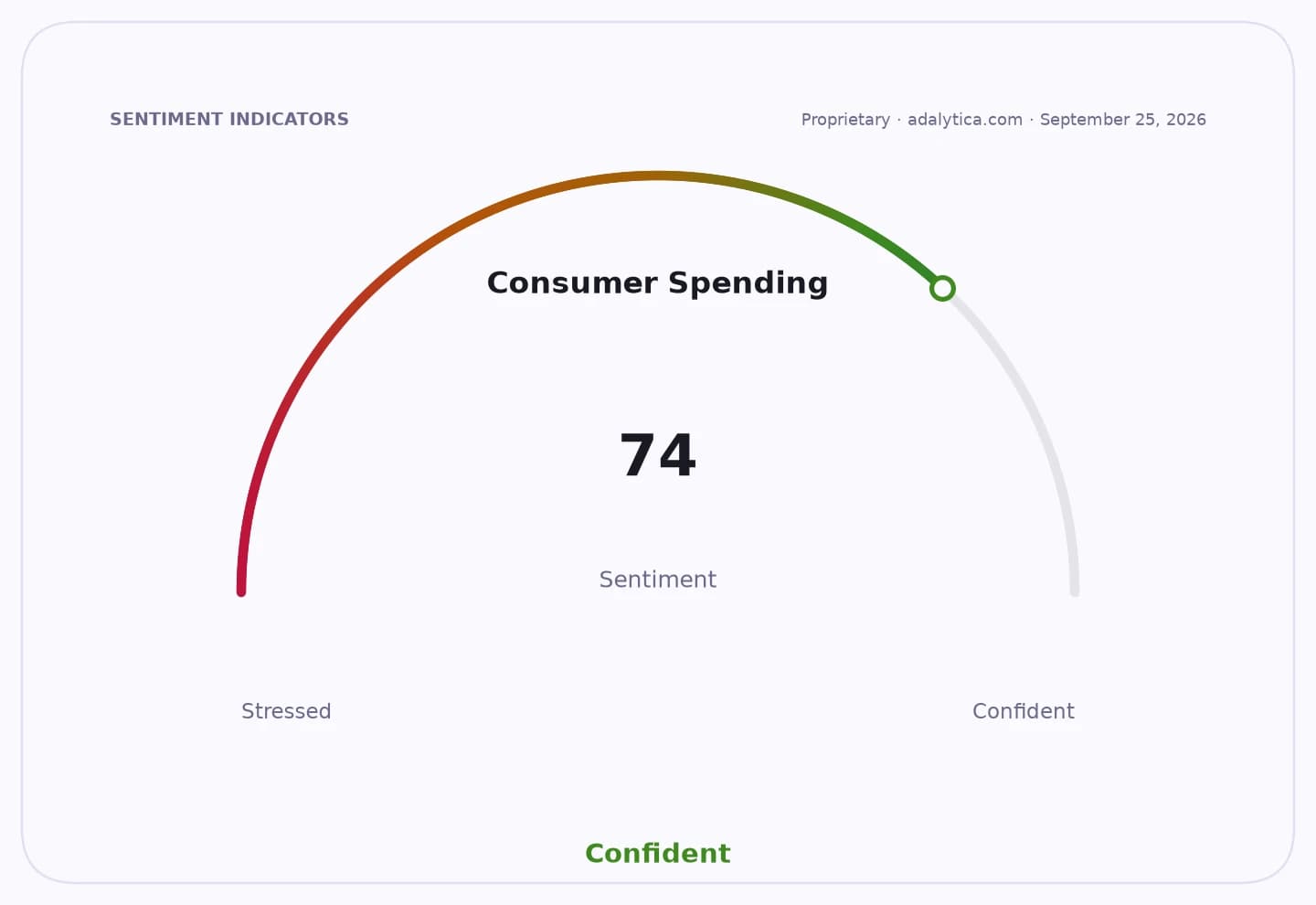
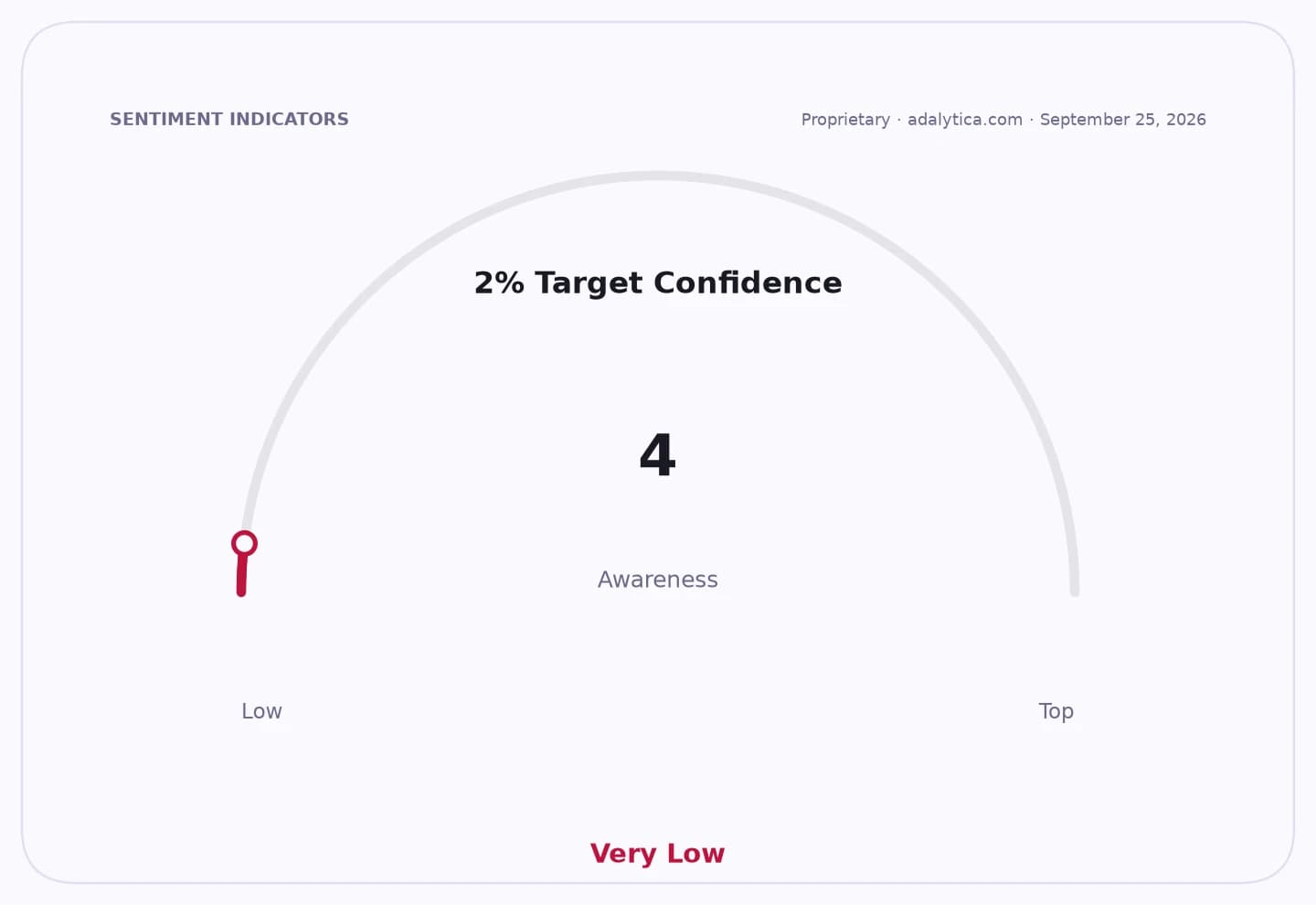
Sentiment IndicatorsⓘProprietary · adalytica.com · July 23, 2026
This is a snapshot — live sentiment, awareness and momentum for 130+ markets update continuously in the dashboard.Open AlphaPulse
The warning strike by medical staff is a reminder that wage-setting is turning into a political as much as an economic issue. Union opposition has widened beyond health care, with disputes also flaring in mining and automotive, where pay talks have stalled and fresh negotiations are pending. That pattern points to a broader labor market recalibration: workers are pushing to reclaim purchasing power, while employers and the state are trying to cap second-round inflation effects.
For investors, that mix is uncomfortable. Persistent wage pressure can squeeze margins for labor-intensive industries, complicate fiscal planning and keep the central bank cautious for longer. It also raises the odds of more frequent work stoppages, which can disrupt output in public services and spill over into sectors tied to domestic demand. Romania’s wage debate, in other words, is becoming a test of whether the country can raise living standards without pricing itself out of competitiveness.
Wages — 30-day sentimentadalytica.com
Explore this data interactively — full history, time series and cross-market comparisons.Open AlphaPulse
The market implication is that the winners are likely to be companies with pricing power, automation exposure or export earnings, while the losers are domestic employers that depend on inexpensive labor and stable industrial relations. In that sense, the strike is a micro signal of a much larger macro problem: when wage policy outpaces productivity, somebody eventually pays the bill.
Our thesis is simple: the market is underestimating how quickly labor conflict can become a margin and macro story in Romania. Until the government proves it can reform pay without igniting a broader wage spiral, investors should favor businesses insulated from local wage inflation and stay selective on domestic labor-heavy names. The next catalyst is whether talks with hospital unions broaden into a countrywide flashpoint — or force a rewrite of the wage law itself.
| Entity | Gains | Losses |
|---|---|---|
| Health unions | ▲bargaining leverage | ▼near-term strike risk |
| Hospital workers | ▲pay pressure | ▼service disruption |
| Domestic labor-intensive employers | ▲little | ▼higher wage bills |
| Exporters / automation plays | ▲relative advantage | ▼less |