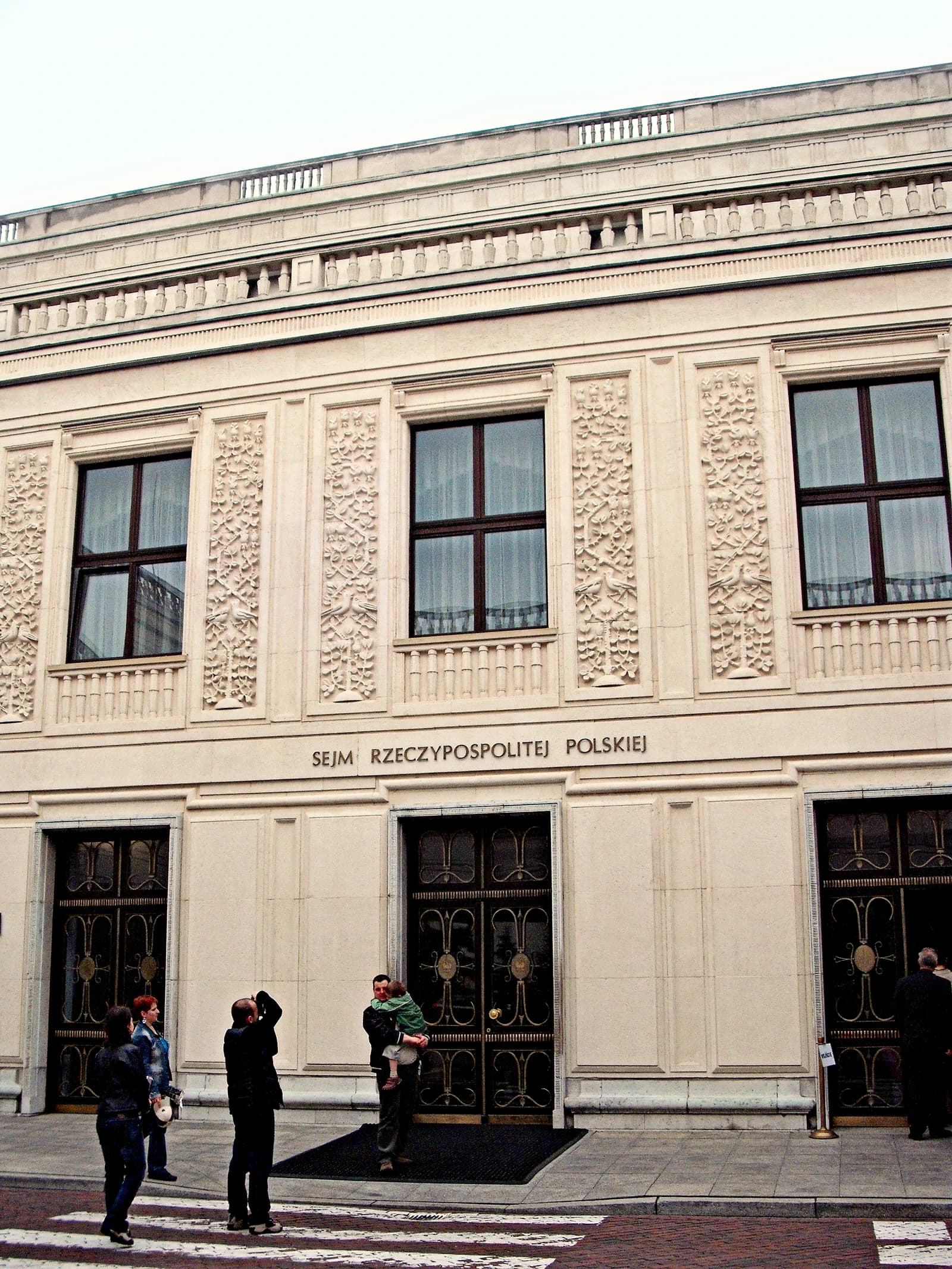
Rome’s push to make supercomputers and AI data an “open game” is more than a scientific ambition: it is a bid to capture the infrastructure layer of Europe’s next growth market, and to keep compute, data and investment onshore as the AI race intensifies.
Rome Bets on AI Infrastructure Buildout
AI
The significance is economic as much as technological. Whoever controls access to high-performance computing, training data and the energy to run both stands to influence where Europe’s AI models are built, who pays for them and which cities capture the spillover in jobs, research funding and private capital. Antonio Zoccoli’s message that Rome could be the driving force points to Italy trying to move from being a consumer of imported AI capacity to a location where the physical backbone of the industry is assembled.
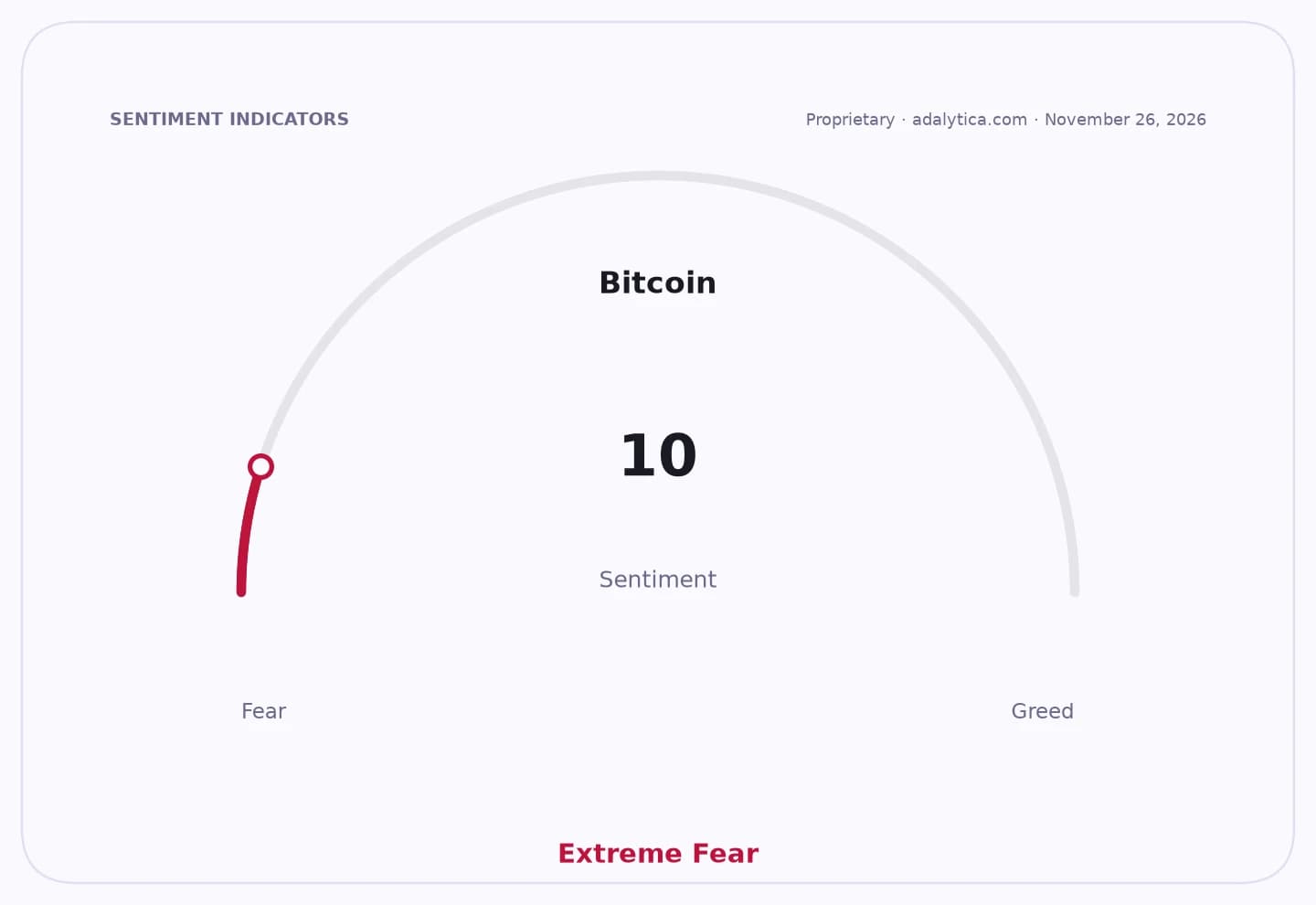
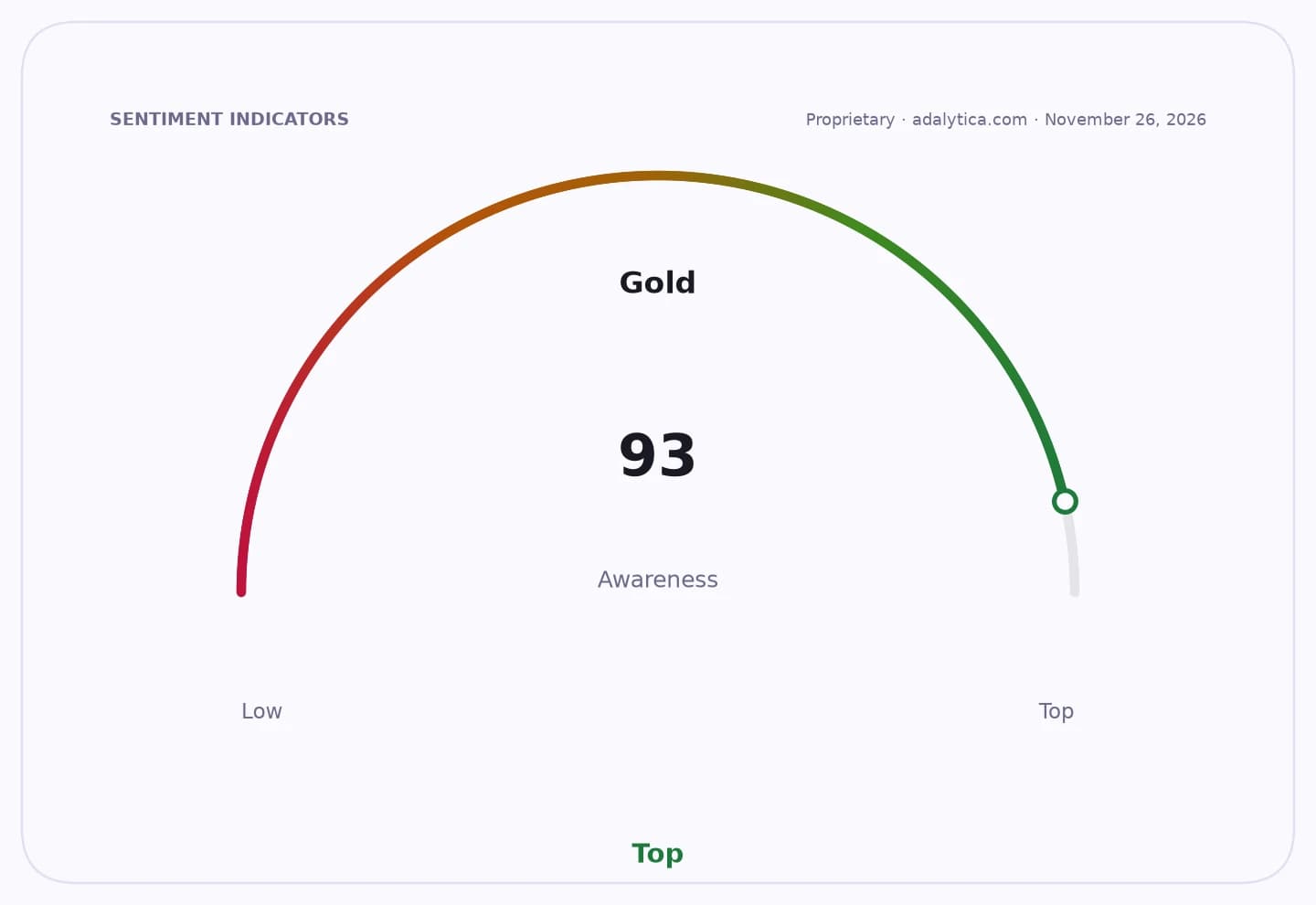
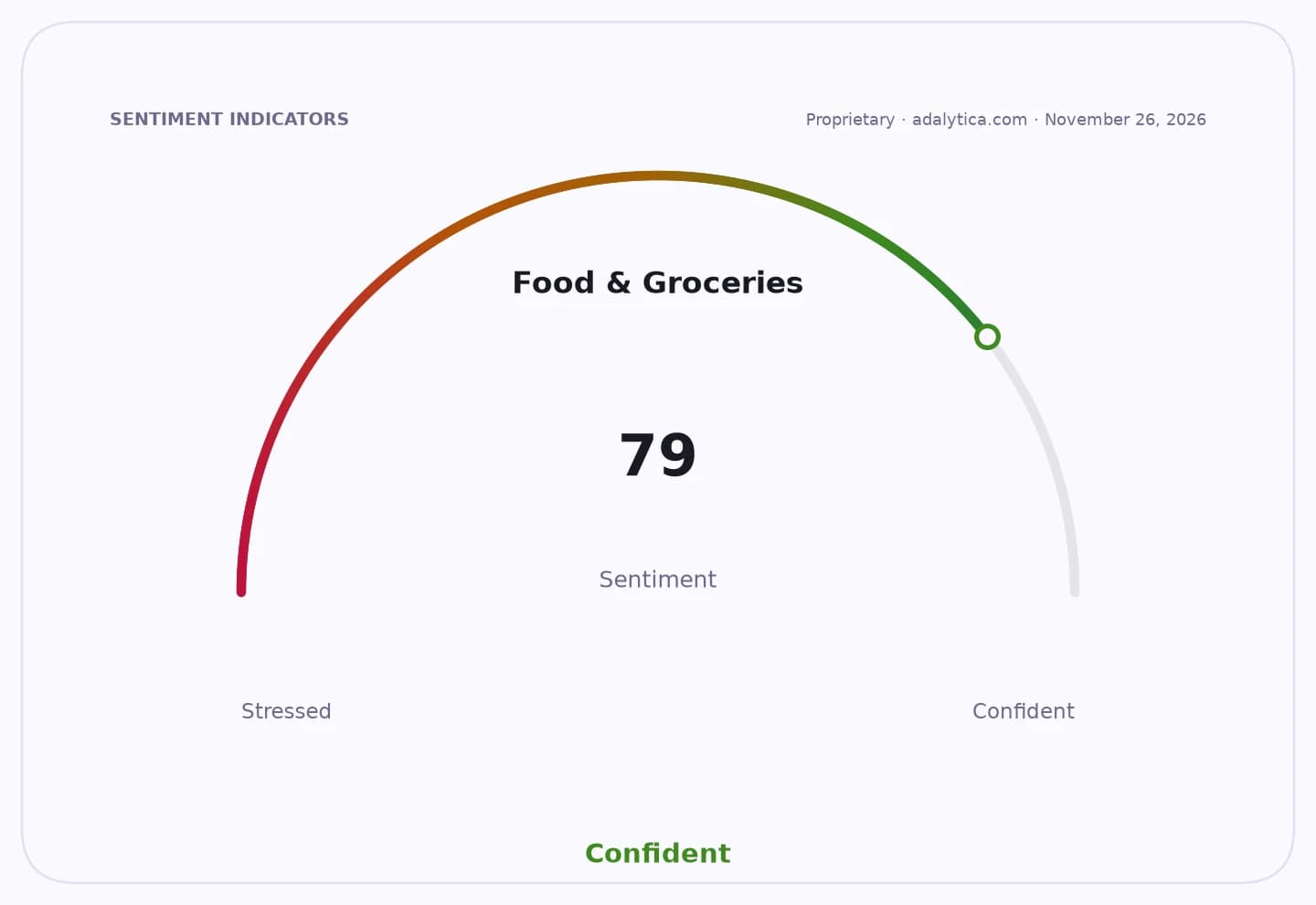
Sentiment Indicators
AI
That matters because AI is becoming a capital-intensive industrial policy question, not just a software story. Supercomputers are the scaffolding for training large models, running simulations and supporting research in health, climate and manufacturing. If Europe wants sovereignty over those workloads, it needs more than regulation. It needs data centres, grid access, cooling capacity, fibre, chips and a talent pipeline able to use them. A city that can bundle those inputs has a chance to attract long-cycle investment from cloud providers, semiconductor suppliers and industrial users that need compute-heavy applications.
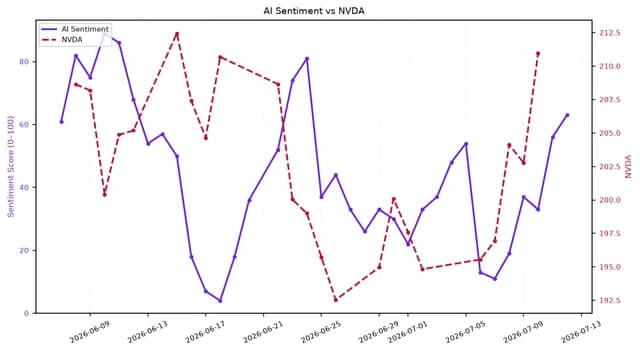
The market backdrop helps explain why the theme is resonating. Nvidia, the core supplier to AI infrastructure, remains well above its 200-day moving average even after a recent pullback, underscoring how strongly investors still price the hardware buildout. But its short-term indicators have cooled from earlier extremes, with RSI readings hovering near neutral after surging into overbought territory in November and again this spring. That suggests the market is still committed to the AI capex trade, even as it becomes more selective about which parts of the stack can keep compounding.
Microsoft shows the other side of the equation. The stock has recovered from a deep midyear selloff, but it still trades well below its 200-day average, a sign that even the best-positioned cloud and enterprise AI platform names have had to digest the cost of infrastructure expansion and more demanding investor scrutiny. For investors, that leaves room for a simple split: hardware and compute providers remain the picks-and-shovels winners, while operators with heavy spending commitments need to prove that AI spend turns into margin and cash flow.
That is where Rome’s pitch becomes investable. If Italy can credibly position the capital as a node for supercomputing and AI data, it could benefit not just universities and public labs but also industrial groups, cloud partners, equipment vendors and energy suppliers. Europe’s edge may not come from matching the U.S. or China in model size, but from building trusted, energy-aware and regulation-compliant infrastructure for specialized use cases. That is the bull case for the “open game”: lower barriers, more participants and a broader ecosystem.
The bear case is that Europe’s fragmentation still gets in the way. Permitting, power prices, public procurement and cross-border data rules can slow projects before they scale. And if “open” means politically attractive but commercially vague, capital may still flow to larger, faster and better-funded ecosystems elsewhere. The question for investors is whether Rome becomes a genuine operating base for AI infrastructure, or merely another policy slogan attached to a crowded theme.
For now, the story is less about one interview than about a strategic contest for the physical foundations of AI. If Rome can convert ambition into compute capacity, it could pull in capital at the intersection of public research, enterprise adoption and digital sovereignty. If not, the real winners will remain the chipmakers, cloud platforms and power-hungry data-centre operators outside Italy that are already monetizing the buildout.
| Entity | Gains | Losses |
|---|---|---|
| Rome/Italy | ▲AI infrastructure investment | ▼Policy credibility if delayed |
| Nvidia and chip suppliers | ▲Demand for compute hardware | ▼Less if buildout stalls |
| Microsoft/cloud operators | ▲More AI workload demand | ▼Higher capex pressure |
| European research labs | ▲Cheaper access to compute | ▼Dependence on foreign platforms |