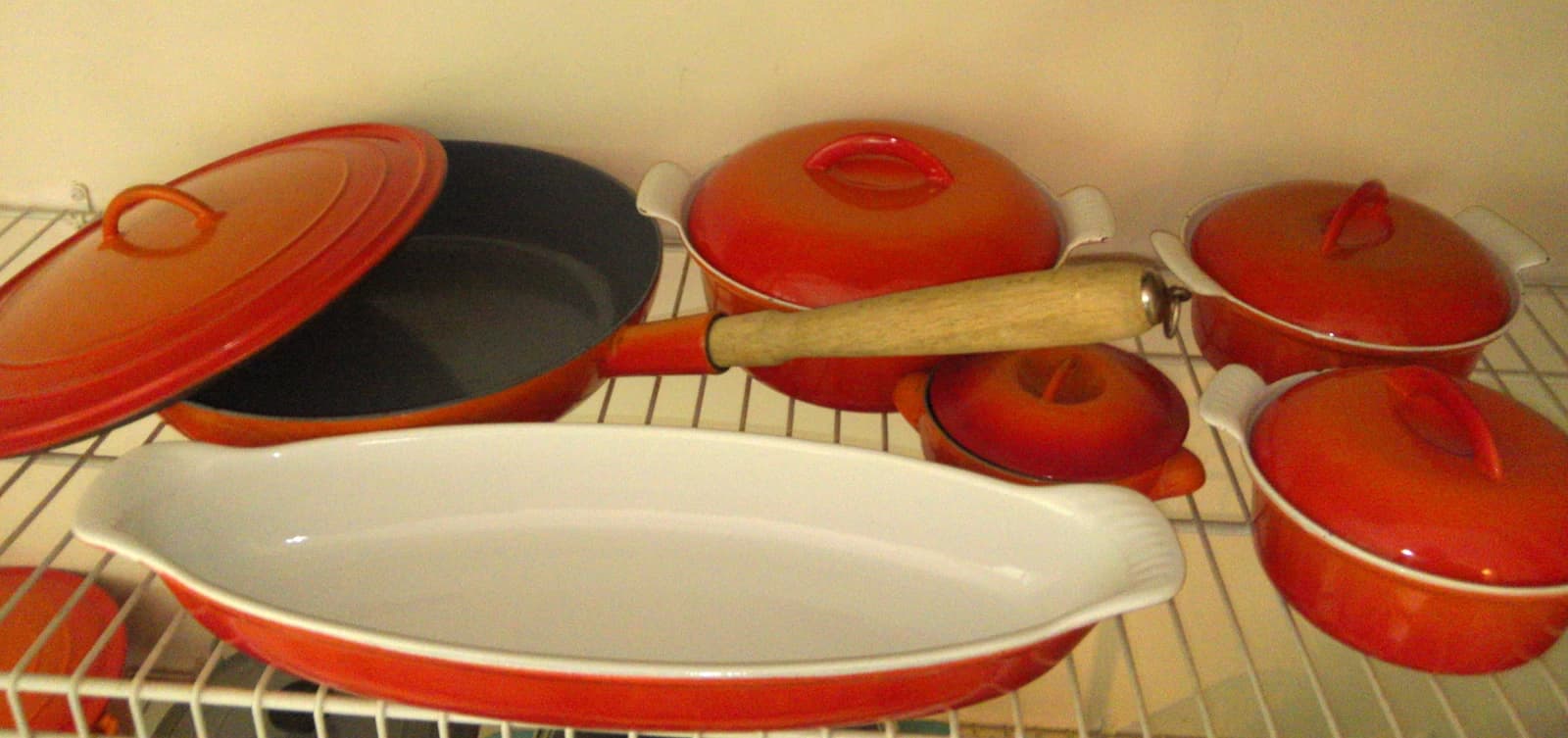
A Römertopf cast-iron pot is being sold at a 40% discount to its list price, underscoring how kitchenware retailers are leaning harder on promotions to move premium household goods in a cautious consumer environment.
Römertopf cast-iron pot sold at 40% discount

The deal cuts the 28-centimeter, 6.1-liter pot to 59.99 euros from a recommended price of 99.95 euros, with the coupon code Guss40 shaving off about 40 euros. For shoppers, the attraction is straightforward: a large, induction-ready Dutch oven that can move from stovetop to oven and handle slow-cooked meals, bread baking and one-pot dishes. For retailers, the discount reflects a broader push to keep traffic moving in discretionary categories where consumers remain price-sensitive.
That matters economically because cookware sits in the middle of the home-goods market: it is not a staple in the same way groceries are, but it is close enough to everyday use that price cuts can quickly influence demand. Heavy cast-iron products usually command premium pricing because they offer durability, heat retention and versatility. A 40% reduction suggests sellers are willing to sacrifice margin to clear inventory or accelerate turnover, especially on higher-ticket items that can otherwise linger when consumers trade down.
The Römertopf offer also highlights the appeal of multi-use products in an inflation-conscious market. The pot can be used on gas, electric, ceramic and induction cooktops, then in the oven at up to 250 degrees Celsius. That functionality supports the value case: one piece of cookware can replace several items in the kitchen. But the heavy 7.1-kilogram weight is a reminder that premium cookware still comes with practical trade-offs, limiting its mass appeal to buyers who want convenience as much as performance.
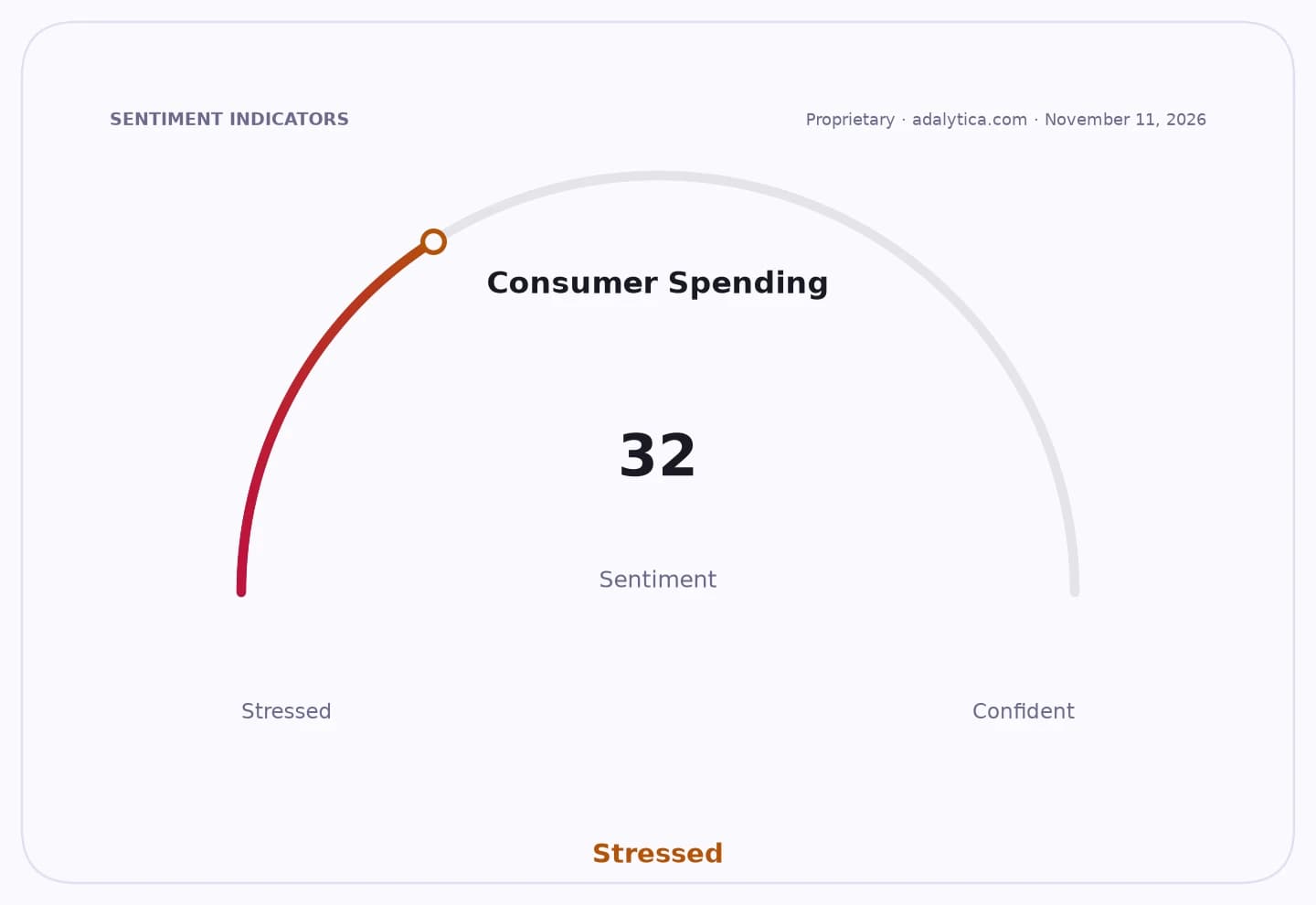
For investors watching the home and consumer sector, the key question is whether promotional intensity is becoming a structural feature rather than a seasonal tactic. If so, it points to persistent pressure on gross margins across kitchenware and broader discretionary retail. Brands with stronger pricing power may hold up better; those dependent on discounts to drive volume will likely face a tougher balance between traffic and profitability.
The larger narrative is familiar: consumers are still willing to spend, but only when the value proposition is clear and immediate. In that environment, a 40% markdown on a premium cast-iron pot is not just a shopping deal — it is a small but telling sign of how retailers are competing for increasingly selective buyers.
| Entity | Gains | Losses |
|---|---|---|
| Shoppers | ▲Lower entry price | ▼Less urgency to pay full price |
| Retailers | ▲Faster inventory turnover | ▼Lower gross margin |
| Premium cookware brands | ▲Greater trial access | ▼Pricing power pressure |
| Discount-led competitors | ▲More traffic | ▼Need to discount to compete |