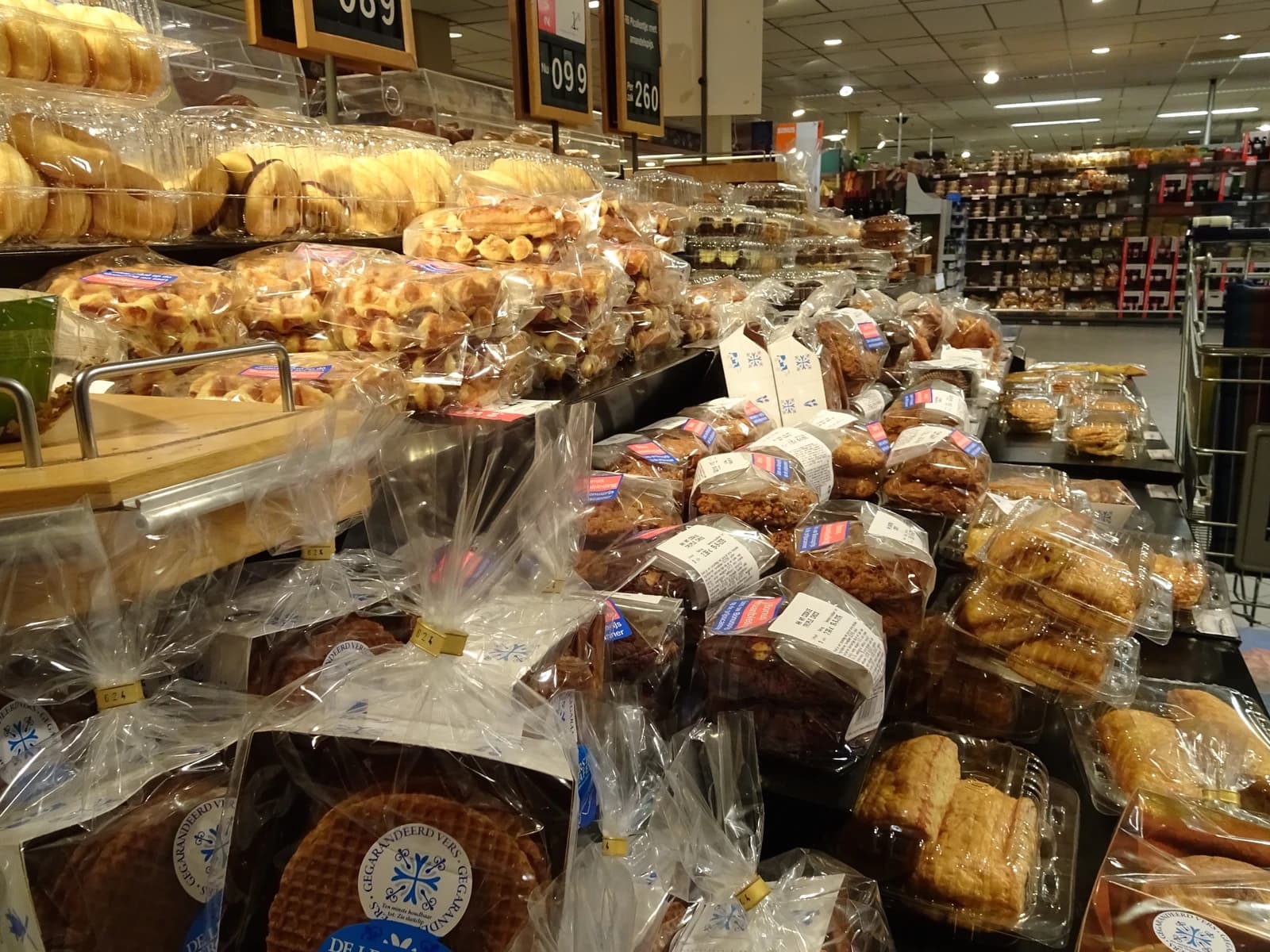
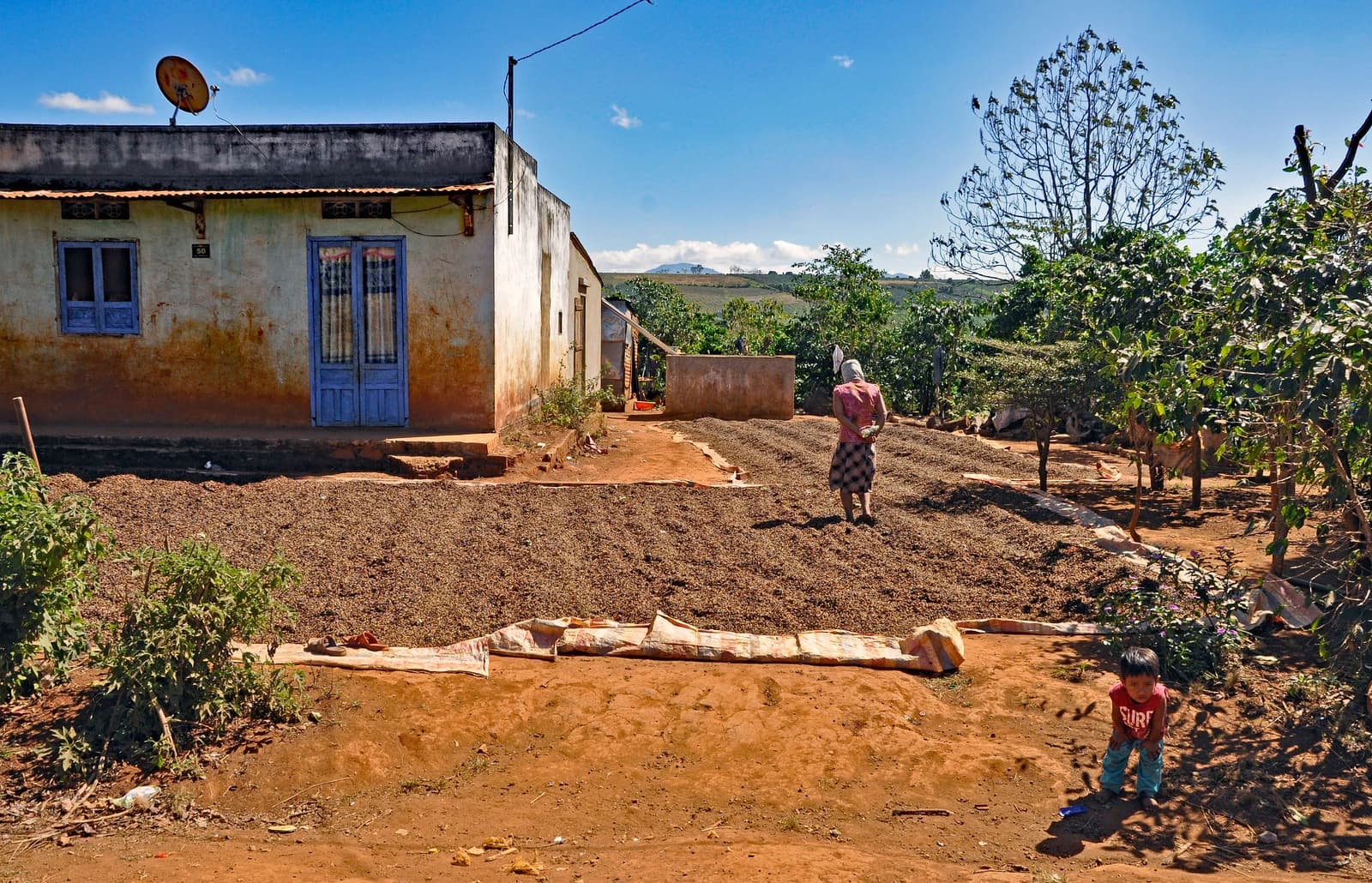
Coffee prices in Sweden have risen sharply over the past month, with the average kilo up SEK 17 and some blends climbing more than SEK 20 as a global rally in arabica beans filters through to store shelves.
Swedish Coffee Prices Rise on Arabica Rally
Consumer Spending
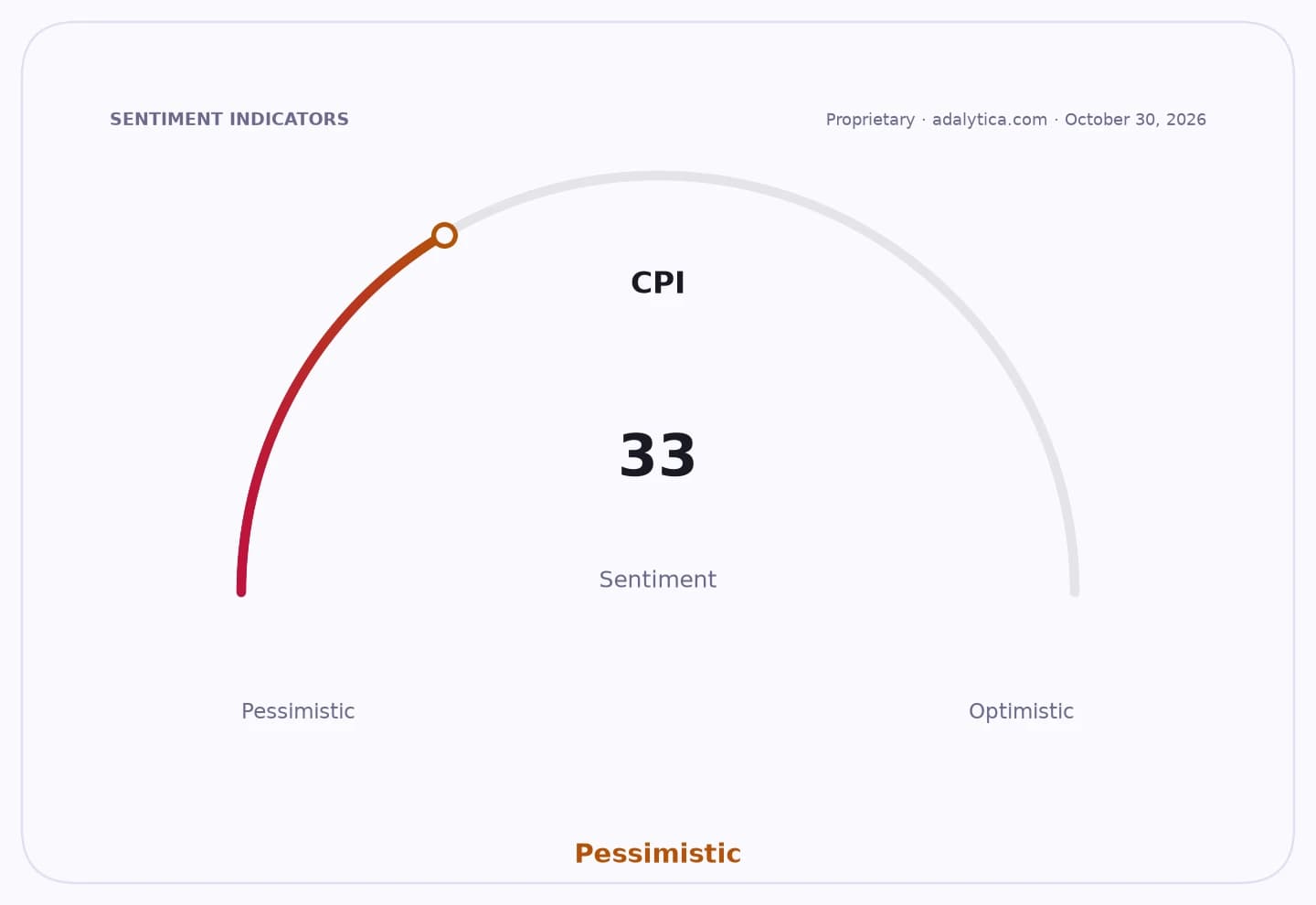
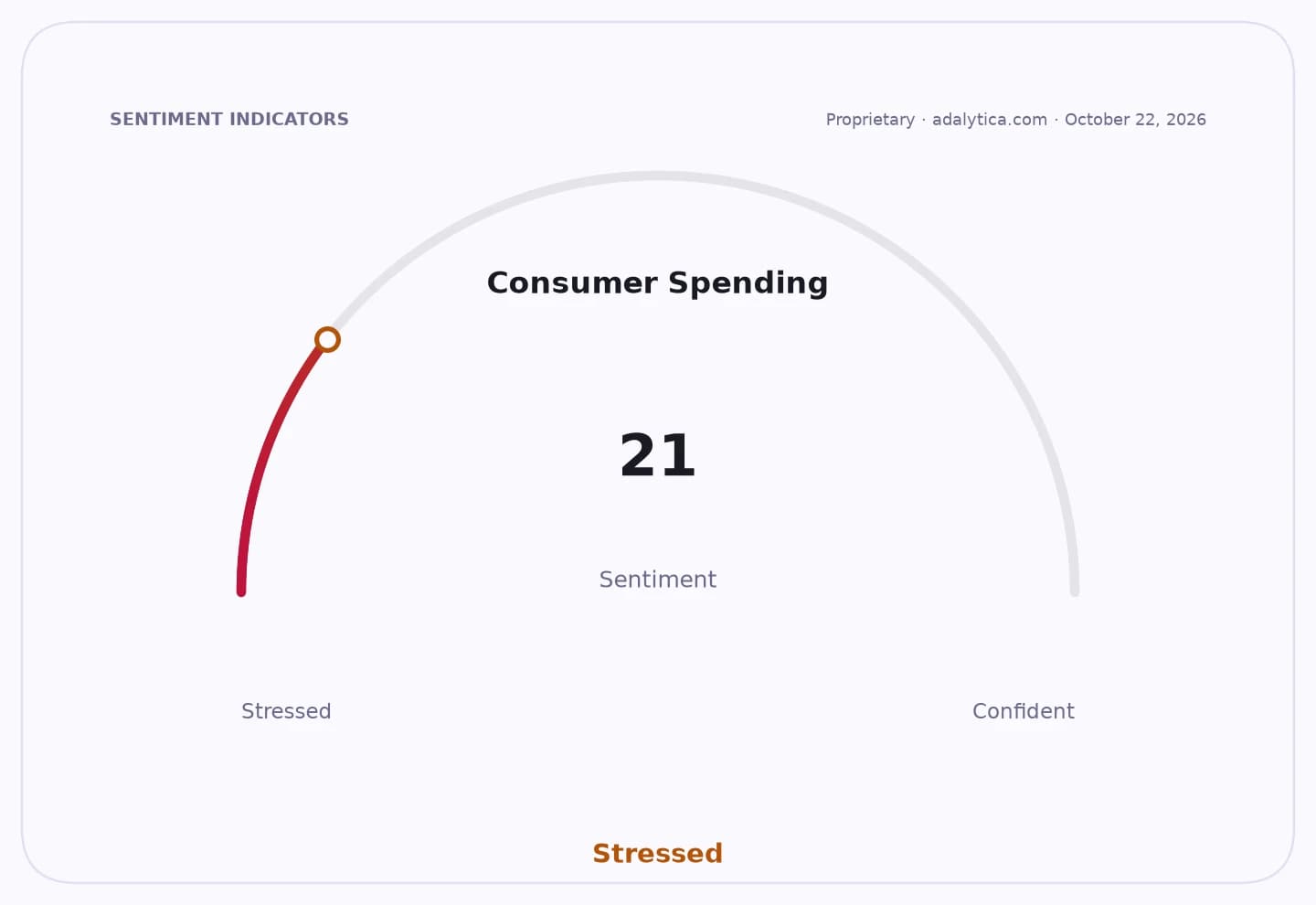
The increase matters because coffee is a highly visible household staple: when a basic morning purchase gets materially more expensive, it reinforces the sense that food inflation has not fully eased even as broader price pressures have cooled in parts of the economy. For retailers and café chains, the move raises the cost of a category that is both volume-sensitive and brand-sensitive, forcing a choice between passing on higher input costs or risking weaker demand.
Sentiment Indicators
According to Matpriskollen, the latest price increases are being driven by higher global arabica bean prices and historically low coffee inventories. That combination leaves little buffer for buyers and roasters, especially after months of volatile commodity markets. Ulf Mazur of Matpriskollen said the new price level is likely to persist through Christmas and New Year and into early next year, underscoring that this is not a short-lived shelf-price adjustment.
The market backdrop is mixed. Coffee futures had been under pressure earlier this year on expectations of improved supply, but weather risks and tight stocks have kept the market vulnerable to abrupt spikes. In practice, that means retail pricing can lag the commodity move but still reset higher when buyers renew contracts, particularly for arabica-heavy products used in premium blends.
For investors, the key issue is margin pressure. Consumer-facing companies with coffee exposure, including café operators and packaged-goods sellers, may see either lower gross margins or softer unit sales if they raise prices too aggressively. Starbucks has already been working through restructuring and store-level reset costs, while packaged beverage players such as Keurig Dr Pepper have flagged price elasticity and category softness in coffee-related products. The latest move in bean costs adds another variable to the earnings outlook.
The outlook now depends on whether supply improves fast enough to relieve the squeeze. If inventories stay low and arabica prices remain elevated, Swedish consumers are likely to face a prolonged period of higher coffee prices, with retailers, roasters and café chains bearing the immediate commercial strain.
| Entity | Gains | Losses |
|---|---|---|
| Coffee growers | ▲Higher selling prices | ▼None |
| Roasters and retailers | ▲Ability to pass through costs | ▼Margin pressure |
| Swedish consumers | ▲— | ▼Higher shelf prices |
| Café chains and packaged coffee brands | ▲Premium pricing on some products | ▼Demand elasticity and weaker volumes |