A proposal to shift state companies such as Rosneft or Russian Railways to Tatarstan is gaining attention, but the economics suggest a relocation would do little to fix the pressures facing Russia’s biggest state-linked employers.
Rosneft, Russian Railways Tatarstan Move Debate
The immediate issue is not where the headquarters sit, but whether moving paper assets and administrative functions can change the underlying reality of sanctions, weaker freight demand, higher financing costs and strained public finances. For investors, that means any relocation would be more symbolic than operational, with limited impact on cash flow, earnings or asset value.
Rosneft shares reflect that skepticism. The stock has been stuck around 0.01-0.02, with the latest close at 0.01 on Oct. 2 after a burst of trading volume, while the 200-day moving average at 0.02 still sits above the price. The technical picture is weak: RSI readings have swung from 81.4 to 95.0 in early October, but the move has not been matched by sustained upside, and MACD remains near flat, underscoring how little conviction the market has in the name.
That matters because a shift to Tatarstan would not address the core drivers of state-company stress. For Rosneft, the question is dominated by export constraints, domestic fuel pricing, taxation and capital allocation, not headquarters geography. For Russian Railways, the challenge is freight volumes, infrastructure spending and the burden of maintaining a network that remains central to the economy.
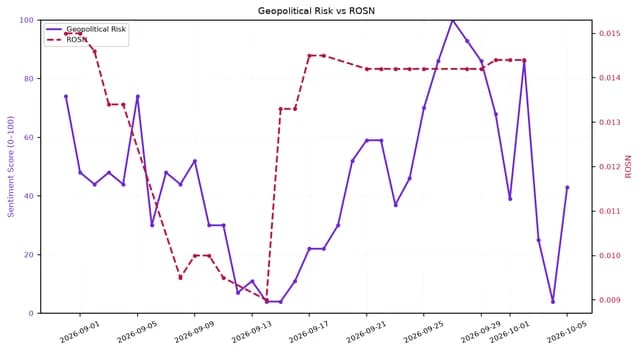
The broader economic logic is straightforward: moving a large state company is expensive, disruptive and unlikely to generate the kind of tax, investment or employment boost officials may want to advertise. Relocation can move offices, but it cannot quickly move supply chains, credit conditions or sanctions exposure. If anything, the cost of uprooting senior management, legal entities and support functions could outweigh any local benefit for Tatarstan.
Regional politics add another layer. Tatarstan would gain prestige and some administrative jobs, but Russia’s center would still bear the strategic and fiscal risks associated with the companies. Localized gains would be offset by the fact that the real bottlenecks sit in federal policy, not in the address on the letterhead.
Investors are likely to treat any move as a governance story, not a value-creation event. The key catalysts remain oil prices, sanctions policy, Russian budget priorities and freight trends. Unless relocation is paired with deeper operational changes or fiscal relief, it is unlikely to produce the economic effect supporters expect.
| Entity | Gains | Losses |
|---|---|---|
| Tatarstan authorities | ▲More jobs and prestige | ▼Limited real economic spillover |
| Rosneft / Russian Railways | ▲Possible administrative relief | ▼Disruption, relocation costs |
| Russian federal budget | ▲None material | ▼Higher move and transition costs |
| Investors / bondholders | ▲Little from symbolism | ▼No clear earnings uplift |