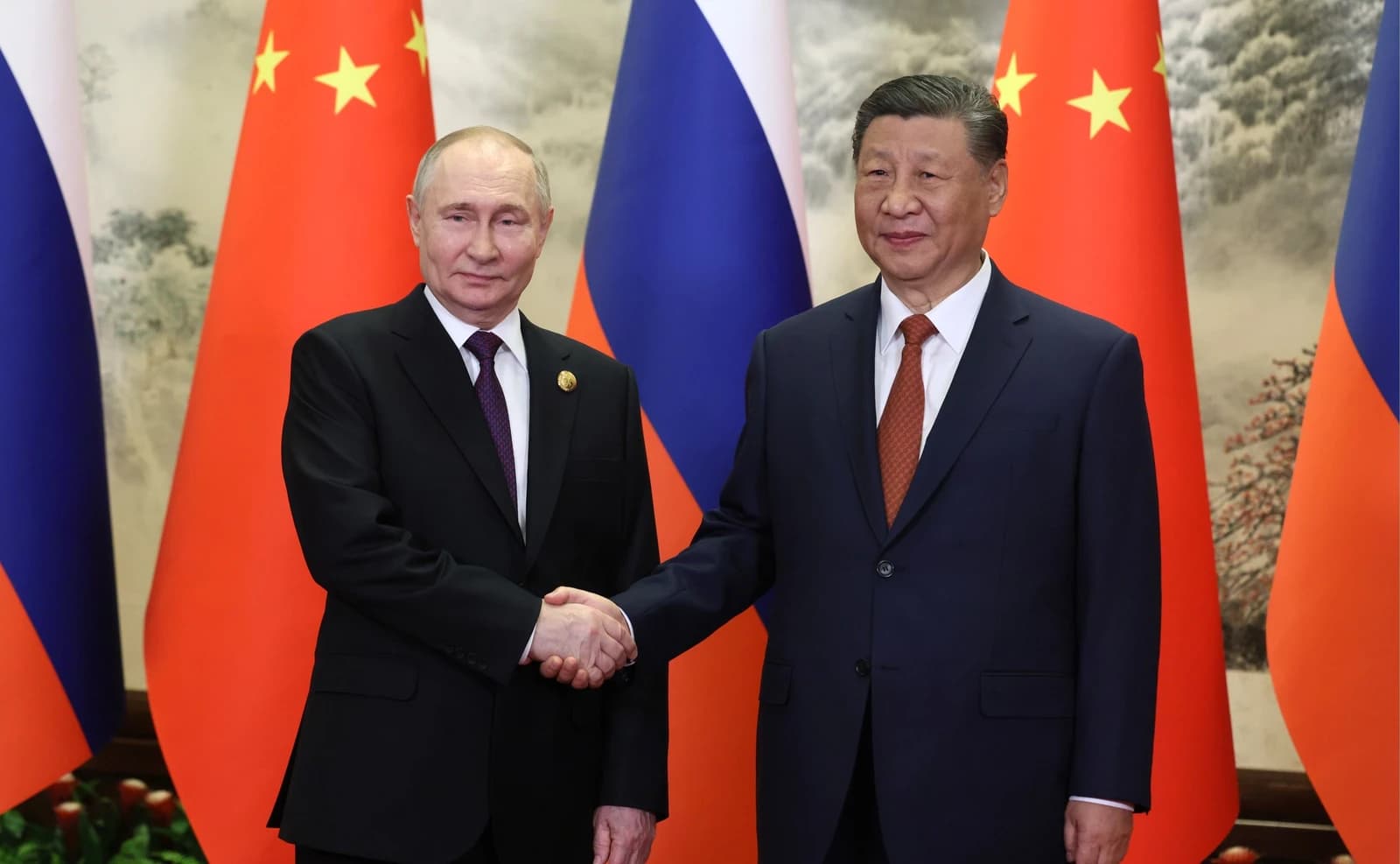
Belarus expects trade turnover with Russia to exceed last year’s almost $55 billion, underscoring how closely the two economies remain tied despite Western sanctions and broader geopolitical pressure.
Belarus-Russia Trade Seen Rising Above $55 Billion
Belarusian ambassador to Russia Yuri Seliverstov said the current pace of cooperation inside the Union State gives both sides room to surpass last year’s bilateral trade level, which he put at just under $55 billion excluding services. He pointed to a busy exchange of delegations as evidence that commercial and political links remain active, with around 30 regional Russian delegations visiting Belarus and another 42 trips taking place at deputy-head level.
Sentiment IndicatorsⓘProprietary · adalytica.com · October 4, 2026
This is a snapshot — live sentiment, awareness and momentum for 130+ markets update continuously in the dashboard.Open AlphaPulse
The forecast matters because trade with Russia remains one of Belarus’s most important economic lifelines. For Minsk, rising turnover helps support industry, logistics and budget revenues at a time when access to Western markets, financing and technology remains constrained. For Moscow, Belarus is both a neighbor and a crucial transit and manufacturing partner, absorbing Russian goods while supplying food, machinery and other products that are harder to source elsewhere.
The data context suggests the trend is already firming. Bilateral trade rose 14% in the first seven months of the year, according to the summary provided, reinforcing the ambassador’s view that the year-end tally can move higher. If that pace persists, it would point to another record or near-record outcome and further entrench a trading pattern shaped less by market efficiency than by political necessity and sanctions-driven realignment.
For investors, the significance is less about the headline number than about what it says on the ground: the Russia-Belarus economic axis is still holding together and, in some sectors, strengthening. That supports demand for freight, industrial inputs, consumer staples and pharmaceuticals tied to the bilateral market, while also highlighting continued exposure to sanctions risk, payment frictions and policy intervention.
The broader narrative is that Minsk is leaning more heavily into Moscow as geopolitical fault lines harden. That may keep official trade volumes rising, but it also narrows Belarus’s strategic flexibility and leaves businesses on both sides more dependent on a relationship that is increasingly insulated from outside capital and competition. If trade does move beyond last year’s level, the next question for investors will be not whether commerce is growing, but how durable and profitable that growth can be.
| Entity | Gains | Losses |
|---|---|---|
| Belarus | ▲Higher export demand | ▼Greater dependence on Russia |
| Russia | ▲Secure regional supplier base | ▼Less trade diversification |
| Regional exporters | ▲Access to integrated market | ▼Sanctions and payment risks |
| Western-facing businesses | ▲— | ▼Reduced market access |