Roycemore’s failure is being driven less by a single shock than by a tightening spiral of falling enrollment, debt pressure and muddled governance that left the school unable to regain confidence with lenders, families or regulators.
Roycemore Collapse Warns Leveraged Schools

That matters economically because private schools are largely fixed-cost businesses: once tuition income slips, debt service, payroll and facilities costs do not fall at the same pace. In Roycemore’s case, the bond breach indicates liquidity stress had already become severe enough to threaten covenant compliance, while the enrollment drop points to a weak demand backdrop that made a recovery harder to engineer. The result is a classic balance-sheet problem amplified by an operating one.
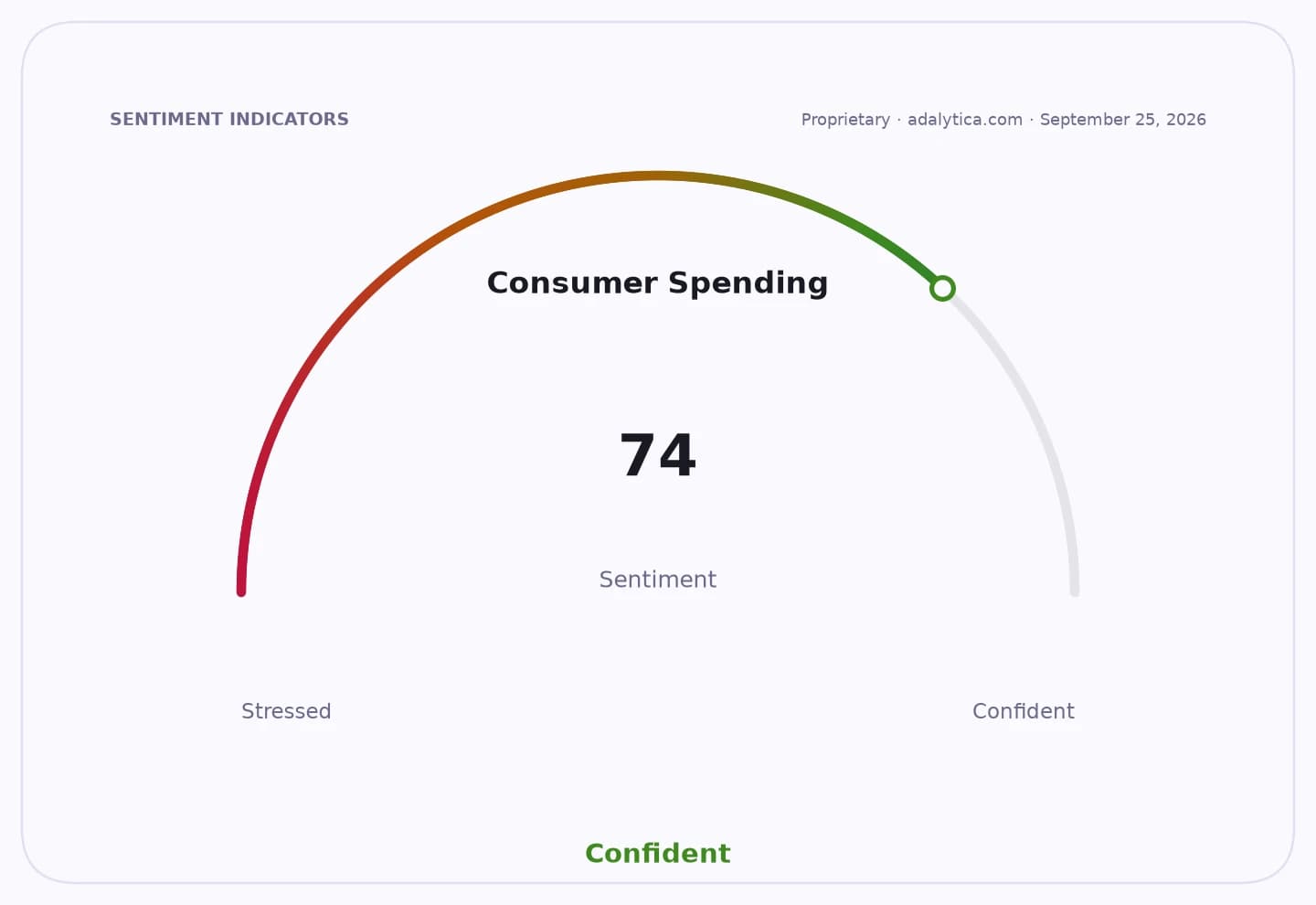
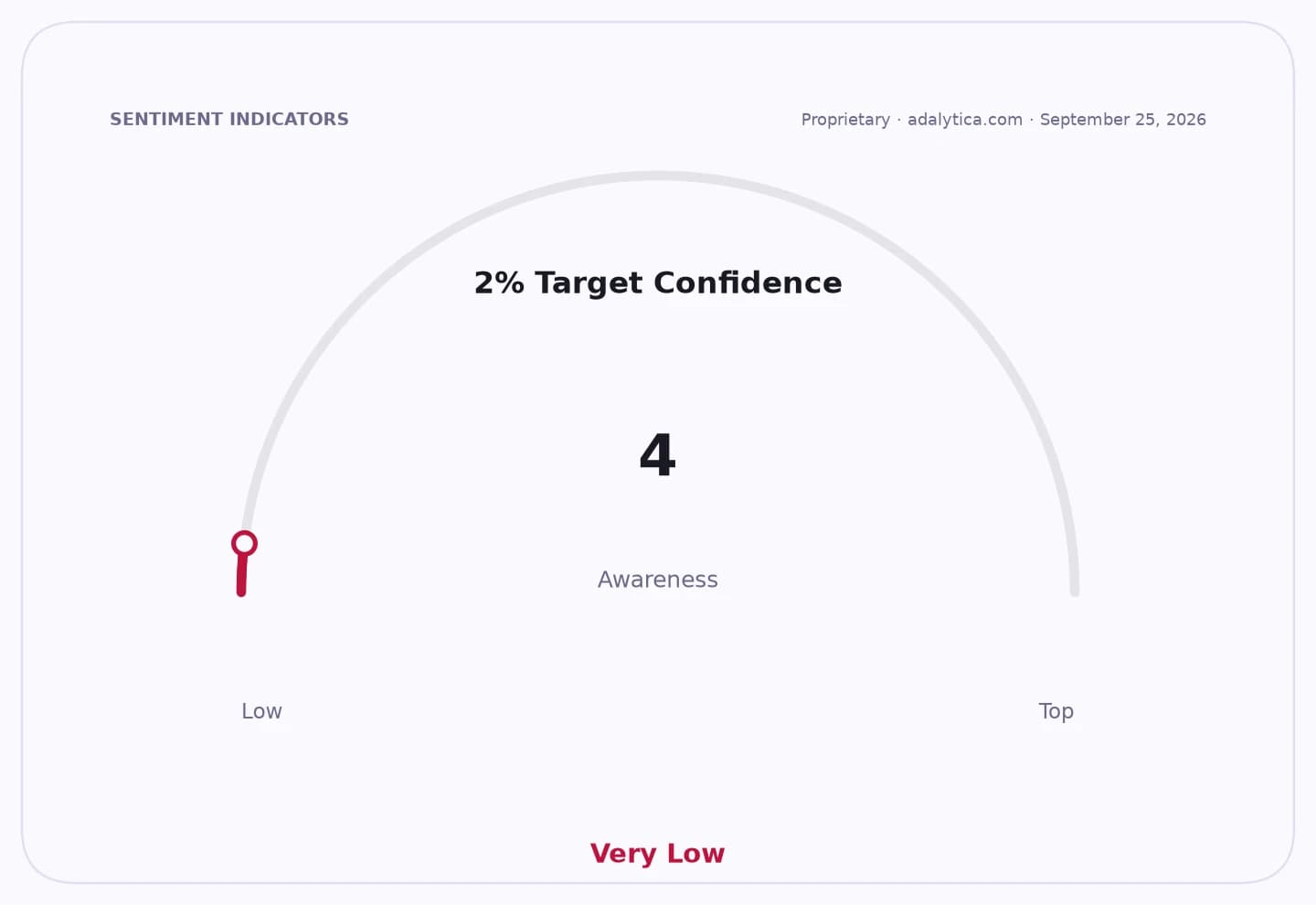
Sentiment IndicatorsⓘProprietary · adalytica.com · July 21, 2026
This is a snapshot — live sentiment, awareness and momentum for 130+ markets update continuously in the dashboard.Open AlphaPulse
For investors, the lesson is broader than one campus. Education providers with leverage and limited pricing power can unravel quickly when reputation weakens, because parents can move children faster than creditors can restructure debt. The collapse also highlights the fragility of asset-backed or tuition-supported credits in a sector where cash flows depend on annual renewals and where confidence can deteriorate long before the formal default. In markets, that means wider risk premia for smaller private-school operators and more scrutiny of debt structures that assume stable enrollment.
The price action in comparable education names underscores how sharply sentiment can swing when operational stress becomes visible. FEDU, a Chinese after-school education name, has fallen back below its 200-day moving average and remains well below its longer-term trend, while LXEH has been crushed from its 2025 peak and COE has also given back much of an earlier rally. None of those moves map directly onto Roycemore, but they show the market’s willingness to punish education businesses once the growth narrative breaks.
Broader market conditions are not helping. Adalytica’s S&P 500 trade signals show fear rising sharply, while its US Treasury gauge still points to caution in bonds. That combination typically rewards higher-quality, better-capitalized issuers and leaves thinly financed niche borrowers exposed. For schools already battling enrollment declines, the funding environment can quickly become the difference between a difficult year and a collapse.
The key question now is whether Roycemore’s collapse is an isolated failure or a warning for other private institutions carrying debt against tuition revenue. Investors will watch for signs of contagion in similarly structured credits, especially where enrollment trends, covenant headroom and board oversight all appear stretched at once.
| Entity | Gains | Losses |
|---|---|---|
| Stronger private schools | ▲Safer market positioning | ▼ |
| Lenders to leveraged schools | ▲Higher risk scrutiny | ▼Borrowers with weak covenants |
| Parents and students at stable schools | ▲Better relative confidence | ▼Families at failing schools |
| Roycemore stakeholders | ▲ | ▼Tuition certainty, reputation, continuity |