The rupee’s outperformance against emerging-market peers since March has become a market verdict on the Reserve Bank of India’s ability to cushion external shocks, but it is also a reminder that the currency’s relative calm rests on policy support rather than a clean escape from war-driven pressure.
Rupee Outperforms Peers on RBI Support
That matters because foreign-exchange stability is one of the few buffers India can deploy when geopolitical risk, higher global yields and risk aversion threaten capital flows. A stronger relative performance in the rupee, even as conflict-related shocks ripple through commodity markets and the dollar remains volatile, reduces imported inflation, helps anchor policy expectations and gives policymakers more room to manage growth without having to defend the currency aggressively.
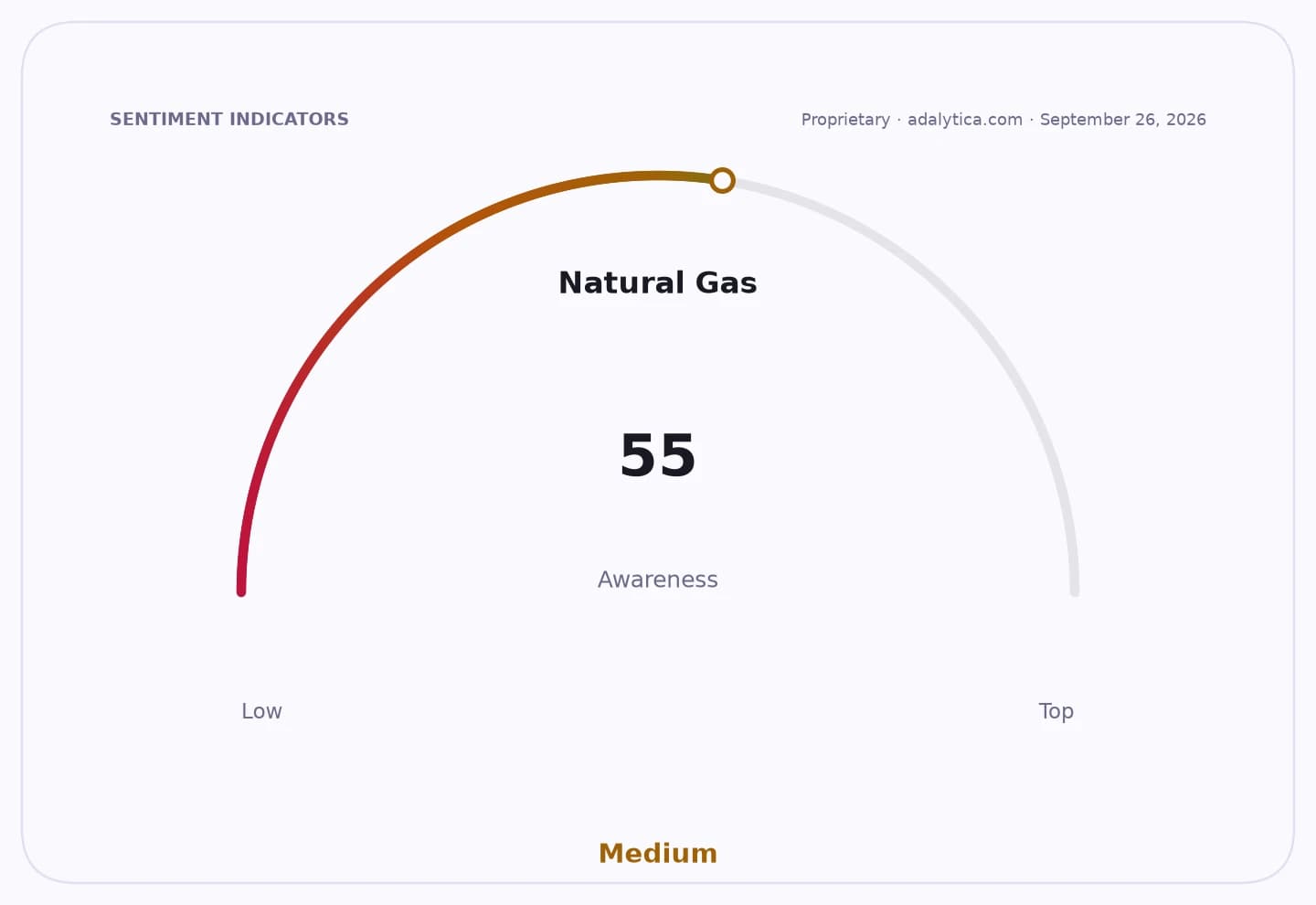
Sentiment IndicatorsⓘProprietary · adalytica.com · July 27, 2026
This is a snapshot — live sentiment, awareness and momentum for 130+ markets update continuously in the dashboard.Open AlphaPulse
The latest market tape suggests that support is still doing heavy lifting. USD/INR has climbed to 95.9, after touching 96.88 on July 24, with the pair trading above its 50-day and 200-day moving averages, indicating the broader trend remains a weaker rupee rather than a full reversal. But the pace of depreciation has been far less severe than in several peer currencies, and that relative resilience is what investors are focusing on. India’s currency has absorbed the initial shock from the conflict without the kind of disorderly move that typically forces central banks into sharper tightening or more disruptive intervention.
The RBI’s role has been central. Market participants have read the central bank’s mix of smoothing operations, liquidity management and a willingness to lean against one-way bets as the key reason the rupee has held up better than many emerging-market currencies since March. That matters for inflation because India remains sensitive to imported energy and food costs. A steadier rupee reduces the pass-through from oil and other dollar-priced commodities, which in turn supports consumer purchasing power and helps limit pressure on bond yields.
The bond market is telling a similar story. The 10-year U.S. Treasury yield at 4.63% and the 2-year at 4.26% reflect a global rate backdrop that still favours the dollar on carry and safety grounds. Yet the dollar itself looks less invulnerable than it did earlier in the year: Adalytica’s U.S. Dollar Trade Signals show sentiment at 3, or “Extreme Fear,” after a sharp deterioration over the past month. That does not eliminate pressure on the rupee, but it does suggest the currency is navigating a more balanced external environment than investors faced during the sharpest phases of the war shock.
For equity investors, the implications are mixed. A steadier rupee supports domestic rate-sensitive sectors, eases the earnings risk for import-dependent companies and can improve foreign flows into Indian assets by reducing the odds of a disorderly currency move. But persistent outperformance should not be mistaken for fundamental strength alone. If oil prices rise again, if the dollar rebounds, or if geopolitical risk expands, the same policy tools that have stabilized the rupee could be tested harder, especially if intervention becomes more costly.
The comparison with emerging-market peers is what makes this move important. India is not being rewarded for immune exposure to global shocks; it is being rewarded for relative insulation and active management. Investors will watch whether that resilience holds if war-related volatility returns, because the next leg for the rupee will depend less on the absence of shocks than on whether the RBI can keep smoothing them without draining policy flexibility.
| Entity | Gains | Losses |
|---|---|---|
| RBI | ▲Credibility on FX stability | ▼Policy flexibility if intervention intensifies |
| Indian importers | ▲Lower currency volatility | ▼Less benefit if rupee weakens again |
| Indian exporters | ▲Less abrupt macro stress | ▼Some loss of competitiveness from a firmer rupee |
| EM currency bears | ▲Fewer outright dislocations | ▼Bets against rupee underperformance |