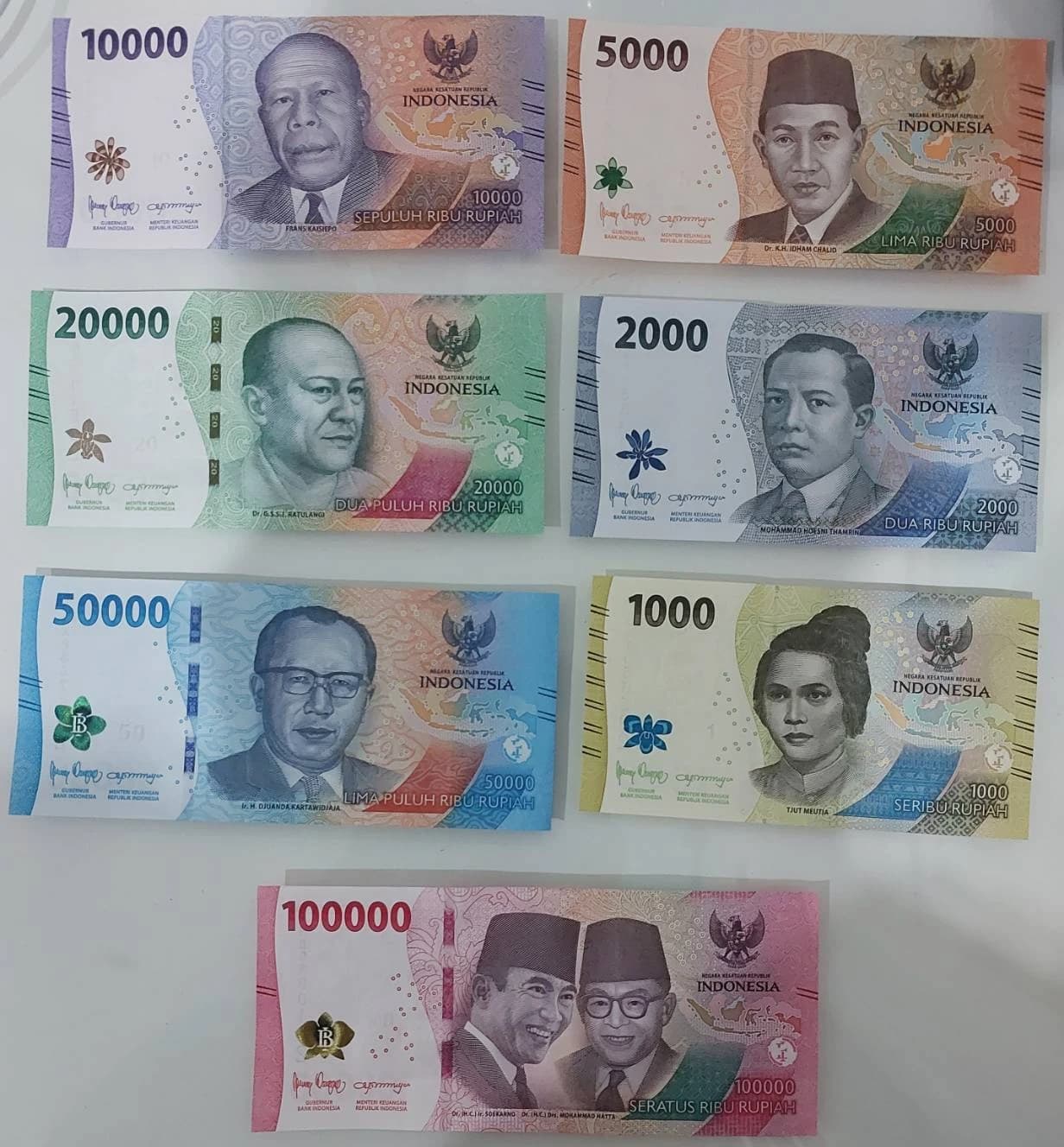
The rupiah weakened again at the start of trading on Friday, opening around 18,095 per US dollar after briefly strengthening in the previous sessions, as a firmer greenback and renewed global risk aversion pushed Indonesia’s currency back under pressure.
Rupiah Falls to 18,095 per Dollar at Open
The move matters because the rupiah remains one of Asia’s more sentiment-sensitive currencies: when the dollar firms, import costs, offshore funding conditions and local bond-market valuations can all move against Indonesia. A weaker rupiah also complicates the policy mix for Bank Indonesia, which has to balance growth support against the need to defend the currency and contain imported inflation.
Sentiment Indicators
The latest drift lower comes after the rupiah had shown some resilience earlier in the week, when it traded in the 18,084 to 18,135 range. That brief recovery was helped by a softer dollar and hopes that domestic data would support the currency. But the rebound has not lasted, underscoring how dependent the rupiah remains on external flows rather than domestic fundamentals alone.
That vulnerability is visible in the broader dollar backdrop. Adalytica’s US Dollar Trade Signals snapshot shows “Extreme Fear” sentiment around the greenback even as awareness remains elevated, suggesting traders are paying close attention to dollar direction after a sharp recent reset in expectations. In parallel, FX volatility signals remain elevated, pointing to a market that is still braced for swings rather than a stable trend.
For investors, the immediate implication is that rupiah-denominated assets are likely to stay sensitive to every shift in US rates, geopolitical risk and emerging-market flows. A firmer dollar can weigh on local equities with large imported input costs, raise hedging demand, and keep pressure on Indonesia’s bond market if foreign investors trim exposure.
There is still a counterargument for the rupiah. Indonesia’s foreign-exchange reserves and trade surplus remain a buffer, limiting the risk of a disorderly selloff and giving policymakers room to lean against volatility. But unless the dollar loses momentum or global risk appetite improves, those buffers may only slow the move rather than reverse it.
Technically, the dollar-rupiah setup still looks fragile for the currency: the latest trading levels leave the rupiah near recent resistance, with market participants watching whether the pair can hold below the 18,100 area or drift back toward weaker levels if external pressures persist.
For now, the story is less about a domestic shock than about a currency being pulled by the wider macro cycle. The next test for the rupiah will come from US monetary-policy expectations, global geopolitical developments and whether Indonesia’s balance-of-payments support is enough to offset another leg of dollar strength.
| Entity | Gains | Losses |
|---|---|---|
| US dollar | ▲Safe-haven demand | ▼Emerging-market currencies |
| Indonesia importers | ▲None | ▼Higher hedging and input costs |
| Bank Indonesia | ▲Some policy room from reserves | ▼More pressure to defend the rupiah |
| Local equity and bond investors | ▲Exporters with dollar revenue | ▼Foreigners and rupiah holders |