The rupiah weakened to 17,884 per US dollar on Tuesday afternoon as investors positioned for Bank Indonesia’s policy decision and a stronger greenback kept pressure on emerging-market currencies.
Rupiah weakens before Bank Indonesia rate decision
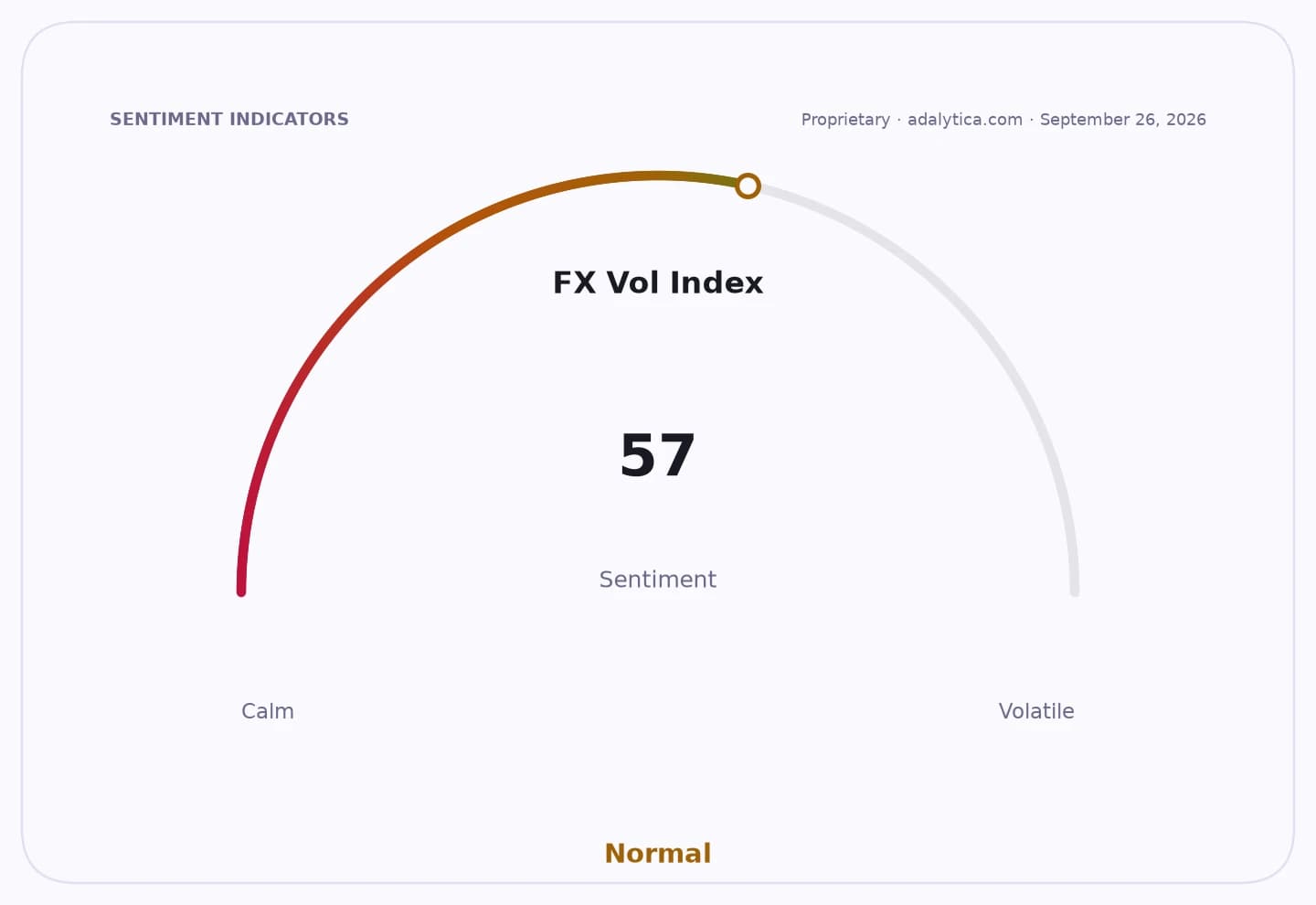
The currency closed 37 points, or 0.21%, weaker than the previous session, after trading as low as 17,933 earlier in the day. That leaves the rupiah hovering near the 17,900 level, a zone that has become a focal point for traders as external headwinds persist.
Sentiment IndicatorsⓘProprietary · adalytica.com · September 26, 2026
This is a snapshot — live sentiment, awareness and momentum for 130+ markets update continuously in the dashboard.Open AlphaPulse
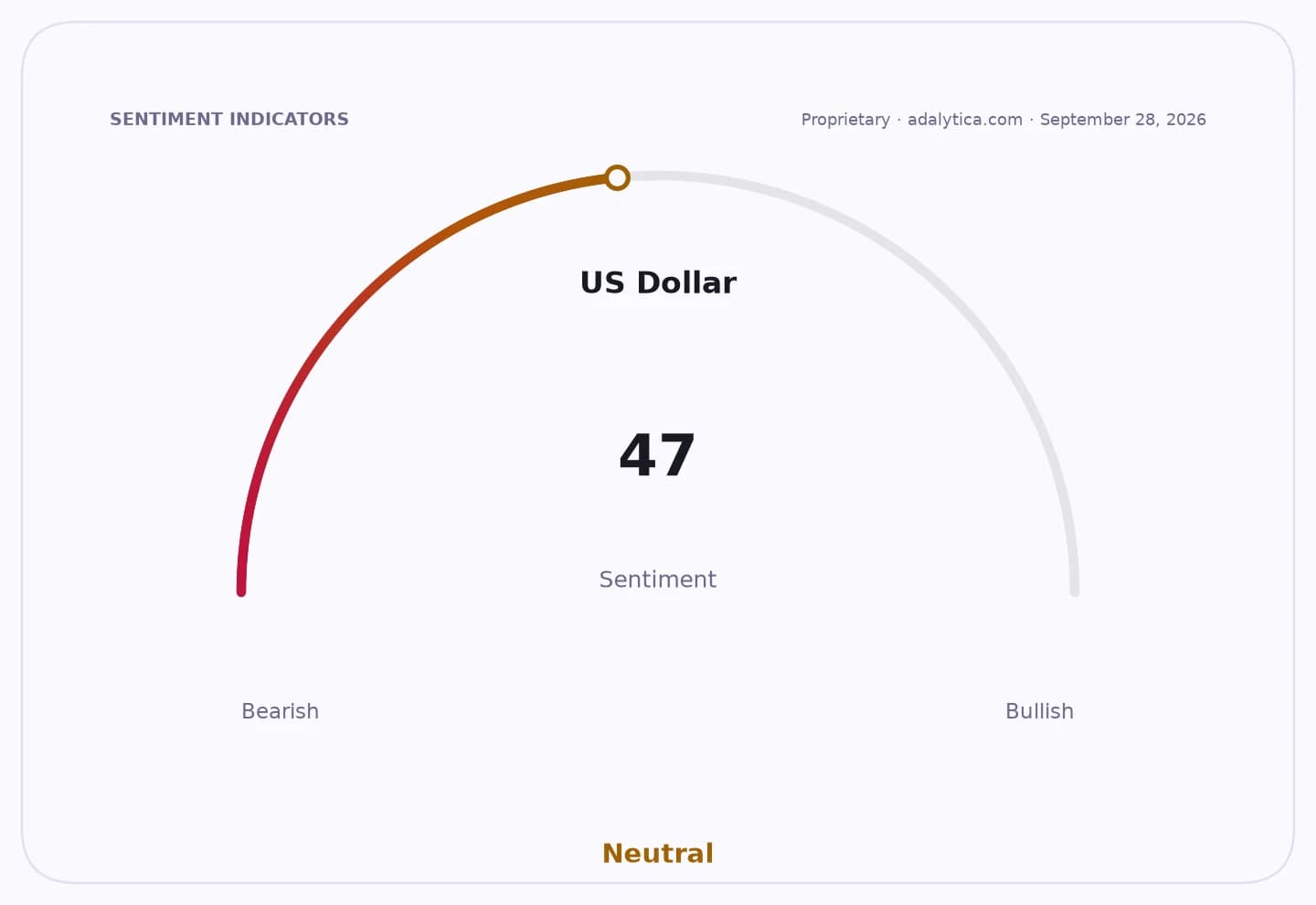
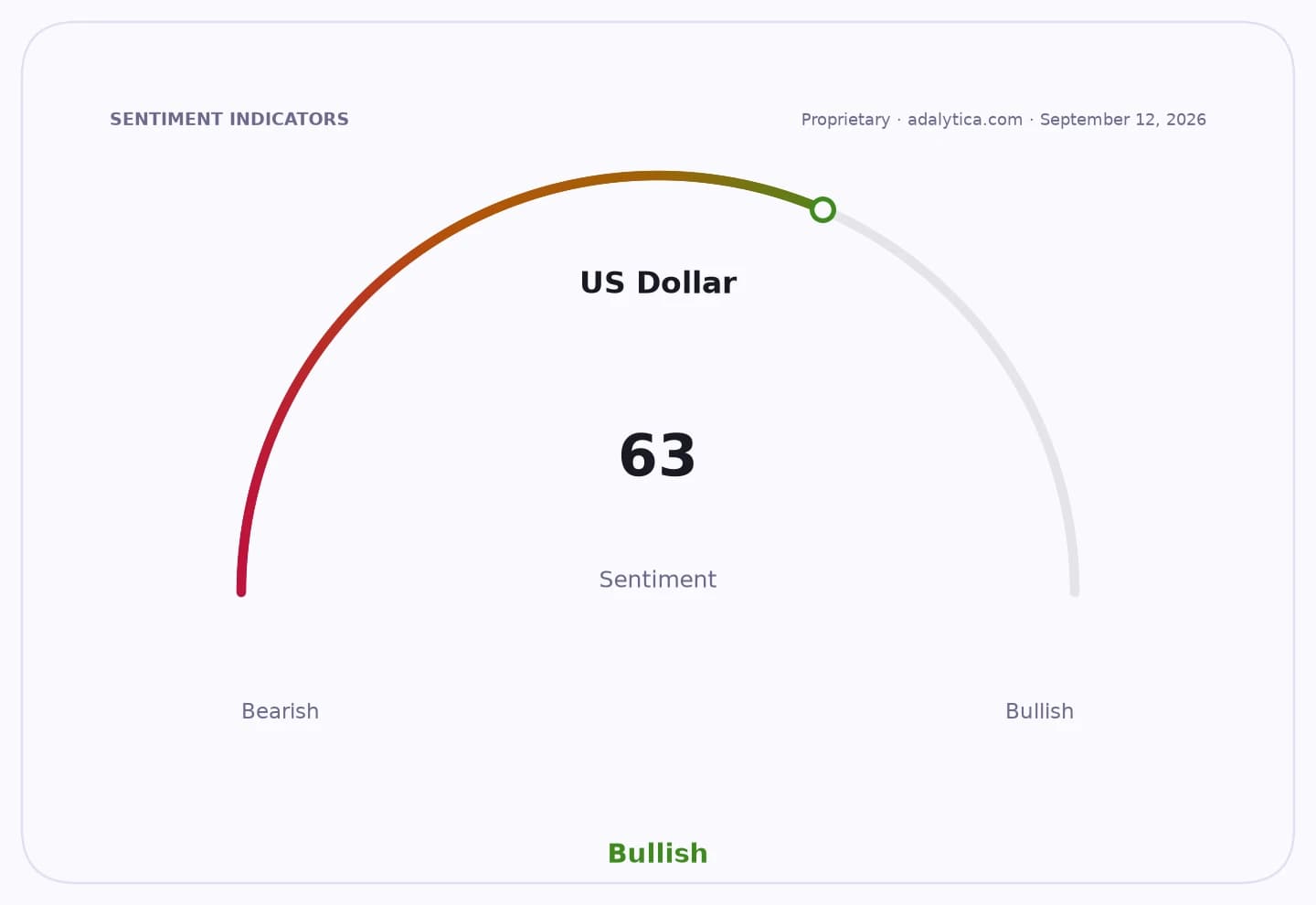
The immediate driver is the turn in global dollar sentiment. The US dollar has climbed to its highest since late July on rising expectations that the Federal Reserve could keep rates elevated for longer, while US Treasury yields have also moved higher. For Indonesia, that matters because a firmer dollar raises the cost of defending the rupiah and can tighten domestic financial conditions even before the central bank acts.
Bank Indonesia’s meeting on Wednesday is now the main event for the market. Traders are watching for whether policymakers lean toward stabilizing the currency or emphasize growth support, especially after a period in which the rupiah has repeatedly tested weaker levels. Intervention has helped smooth intraday swings, but it has not reversed the broader trend of vulnerability when global yields rise.
The move also fits a wider pattern across Asia. Several regional currencies were mixed to weaker against the dollar, while major developed-market currencies also retreated, underscoring how broad the dollar bid has become. That makes the rupiah’s decline less about a domestic shock and more about Indonesia being caught in a global repricing of rate expectations.
For investors, the key issue is whether the pressure stays contained around current levels or pushes the currency into a more persistent break lower. A sustained move weaker would matter for inflation, imported commodity costs and foreign portfolio flows, especially if US rates stay elevated and BI is forced to prioritize stability over growth. If the central bank signals confidence and the dollar rally cools, the rupiah could regain some footing — but for now, the bias remains toward volatility.
| Entity | Gains | Losses |
|---|---|---|
| US dollar | ▲Firmer global demand | ▼Emerging-market FX |
| Bank Indonesia | ▲Policy flexibility | ▼Credibility if rupiah weakens |
| Importers in Indonesia | ▲— | ▼Higher dollar costs |
| Exporters in Indonesia | ▲More rupiah revenue | ▼— |