The Indonesian rupiah weakened to 17,887.4 per US dollar on Monday morning as a firmer greenback and persistent global caution kept pressure on emerging-market currencies.
Rupiah weakens to 17,887 per dollar as USD firms

The rupiah slipped 61.5 points, or 0.35%, while the US Dollar Index edged up 0.16% to 101.880 by 09:16 WIB. That combination matters because a stronger dollar typically tightens financial conditions across Asia, raises the local-currency cost of imported goods and debt servicing, and can encourage capital to rotate out of risk assets.
Sentiment Indicators
For Indonesia, the move keeps the rupiah near the weaker end of its recent range and underscores how sensitive the currency remains to shifts in US rates, Treasury yields and broader investor positioning. The latest move came even as the local currency was mixed against other majors, gaining slightly against the yen but losing ground to the Singapore dollar, ringgit, yuan and won.
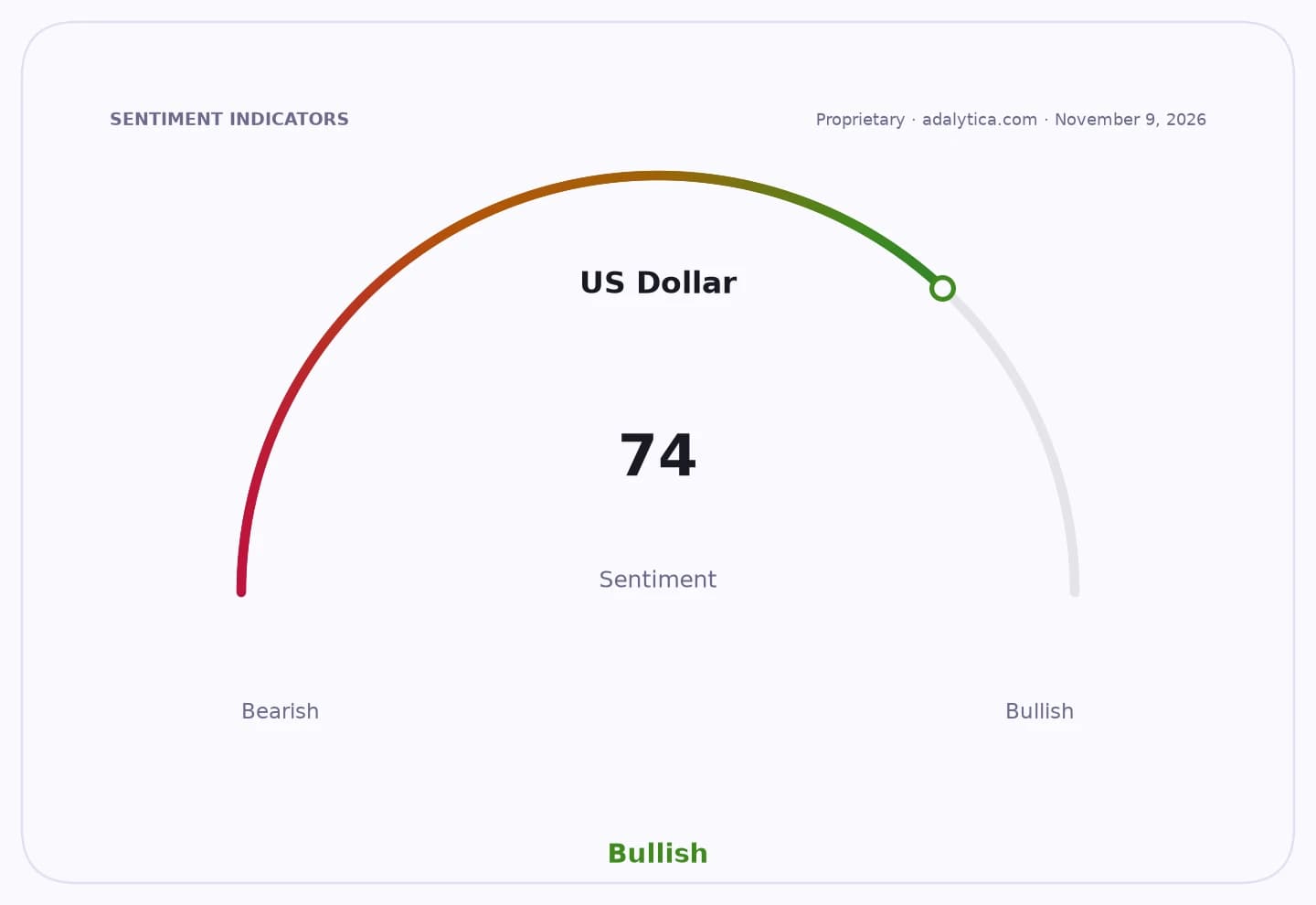
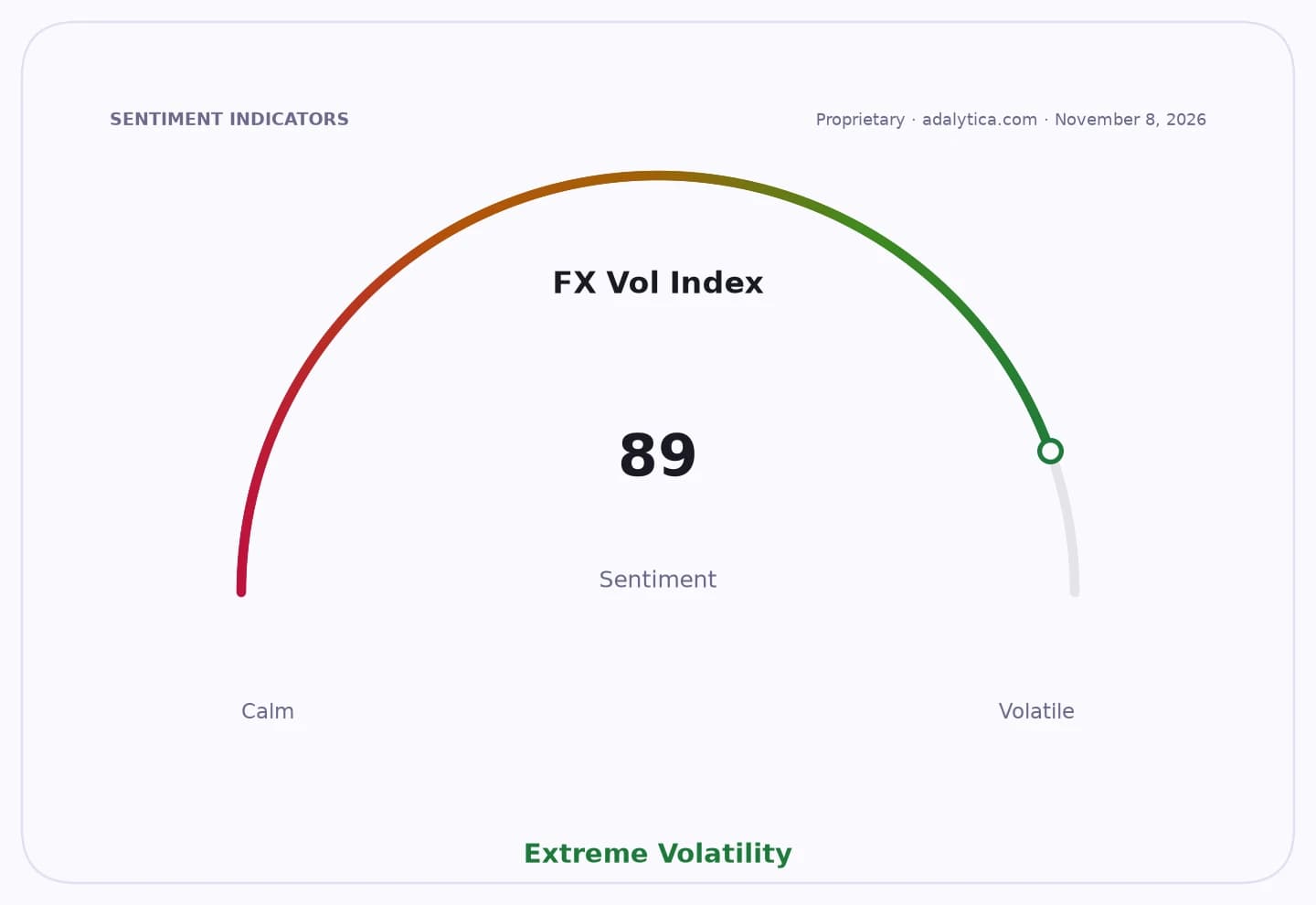
Market pricing also points to a dollar that remains well bid. The UUP dollar ETF closed at 28.89 on Oct. 2, hovering above its 50-day moving average, while the yen-tracking FXY fund sat at 58.07, reflecting continued pressure on Japan’s currency. In the cash market, Adalytica’s US Dollar Trade Signals showed sentiment in “Fear” territory at 18, while its Global Stability Sentiment gauge read just 4, or “Extreme Fear,” consistent with a defensive tone in FX markets.
Safe-haven demand was visible elsewhere too, with spot gold rising 0.47% to $4,160.09 an ounce. For investors, that mix usually signals a market still leaning toward caution rather than growth trade risk, which can keep pressure on higher-yielding or more externally funded emerging-market currencies such as the rupiah.
The near-term focus now shifts to US economic data, Federal Reserve messaging and whether the dollar extends its recent firming trend. If it does, the rupiah may struggle to break away from the 17,800-18,000 zone without support from stronger domestic inflows or a softer US rate outlook.
| Entity | Gains | Losses |
|---|---|---|
| US dollar | ▲Broader demand | ▼Asian FX buyers |
| Indonesian exporters | ▲Higher rupiah competitiveness | ▼Importers facing costlier dollars |
| Safe-haven assets | ▲Inflows on caution | ▼Risk-sensitive currencies |
| Rupiah bulls | ▲Limited support if dollar stays firm | ▼Near-term downside pressure |