The minimum wage increase set for 2027 will push up a cluster of state-linked payments in Russia, including sick leave, maternity benefits, vacation pay and travel allowances, reinforcing the wage floor’s role as a direct index for parts of the social safety net.
Russia 2027 Minimum Wage to Raise Benefits
The biggest economic effect is on lower-income workers and employers with pay scales close to the legal minimum. According to State Duma deputy Yana Lantratova, a full month of sick leave for workers earning below the minimum wage or with less than six months’ insured experience will rise to about 28,935 rubles in 2027. Standard maternity leave payments for 140 days are set to reach roughly 133,000 rubles, up from about 124,700 rubles in 2026, while longer leave for difficult births could climb to as much as 184,500 rubles.
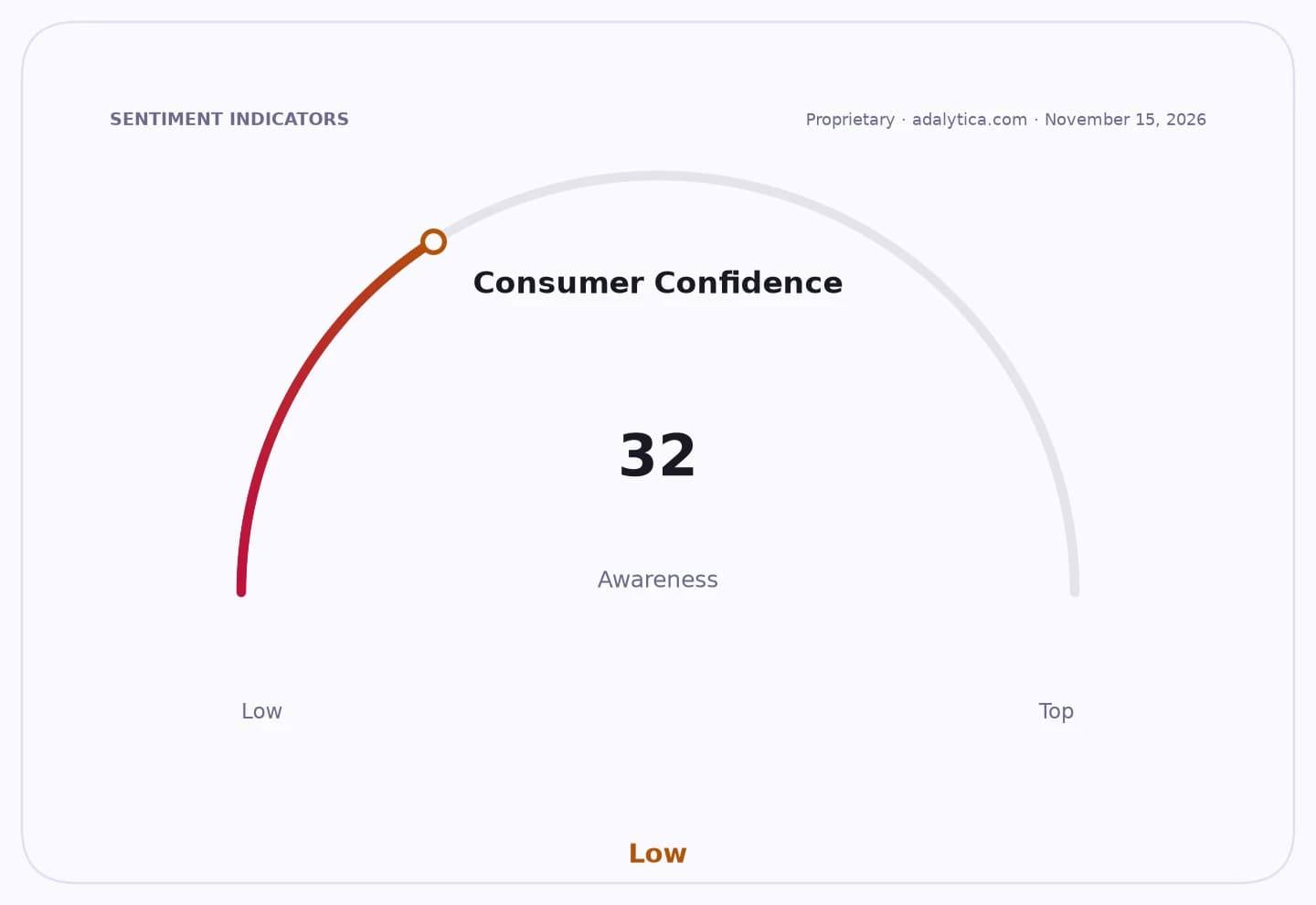
Sentiment Indicators
The changes matter because they show how a higher minimum wage ripples well beyond payroll. In Russia’s system, many benefits are calculated from a statutory floor rather than an employee’s actual earnings. That means a policy aimed at supporting low-paid workers can also lift public and employer costs in adjacent areas, from sick leave to mandated top-ups on vacation pay and business trips when average earnings fall below the minimum threshold.
For workers, the measure should cushion some of the erosion in purchasing power that has been a recurring political issue. For employers, especially in labor-intensive sectors, it raises compliance costs and can add pressure to wages at the bottom end of the pay scale. Companies that already pay above the minimum wage will see less direct impact, since their benefit calculations are based on actual income rather than the legal floor.
The policy also fits a broader backdrop of governments trying to manage social strain with targeted income support while avoiding a sharper hit to labor markets. Proponents of minimum wage increases argue that stronger pay floors support consumption without necessarily damaging employment. Critics warn that higher labor costs can be passed through into prices or force smaller employers to trim hiring. The effect will depend on how quickly wages, inflation and employer margins adjust.
For investors, the immediate read-through is not about a broad market rerating but about sector-level cost pressure and consumer resilience. Retailers, logistics firms and other low-wage employers are most exposed if higher wage floors feed into benefits and overtime costs, while consumer-facing businesses could gain some support from stronger disposable income at the lower end of the income distribution.
The issue will stay in focus as the government finalizes the 2027 package and as businesses assess how much of the increase can be absorbed versus passed on. The key question for markets is whether the policy becomes a one-off social measure or part of a wider pattern of wage support that keeps labor costs rising faster than productivity.
| Entity | Gains | Losses |
|---|---|---|
| Low-wage workers | ▲Higher sickness and maternity payments | ▼Limited, if any |
| Employers | ▲Clearer rules on benefit calculations | ▼Higher payroll-related costs |
| Consumers | ▲Some support for disposable income | ▼Risk of higher prices |
| Retail and labor-intensive firms | ▲Potential demand stability | ▼Margin pressure from wage floor increases |