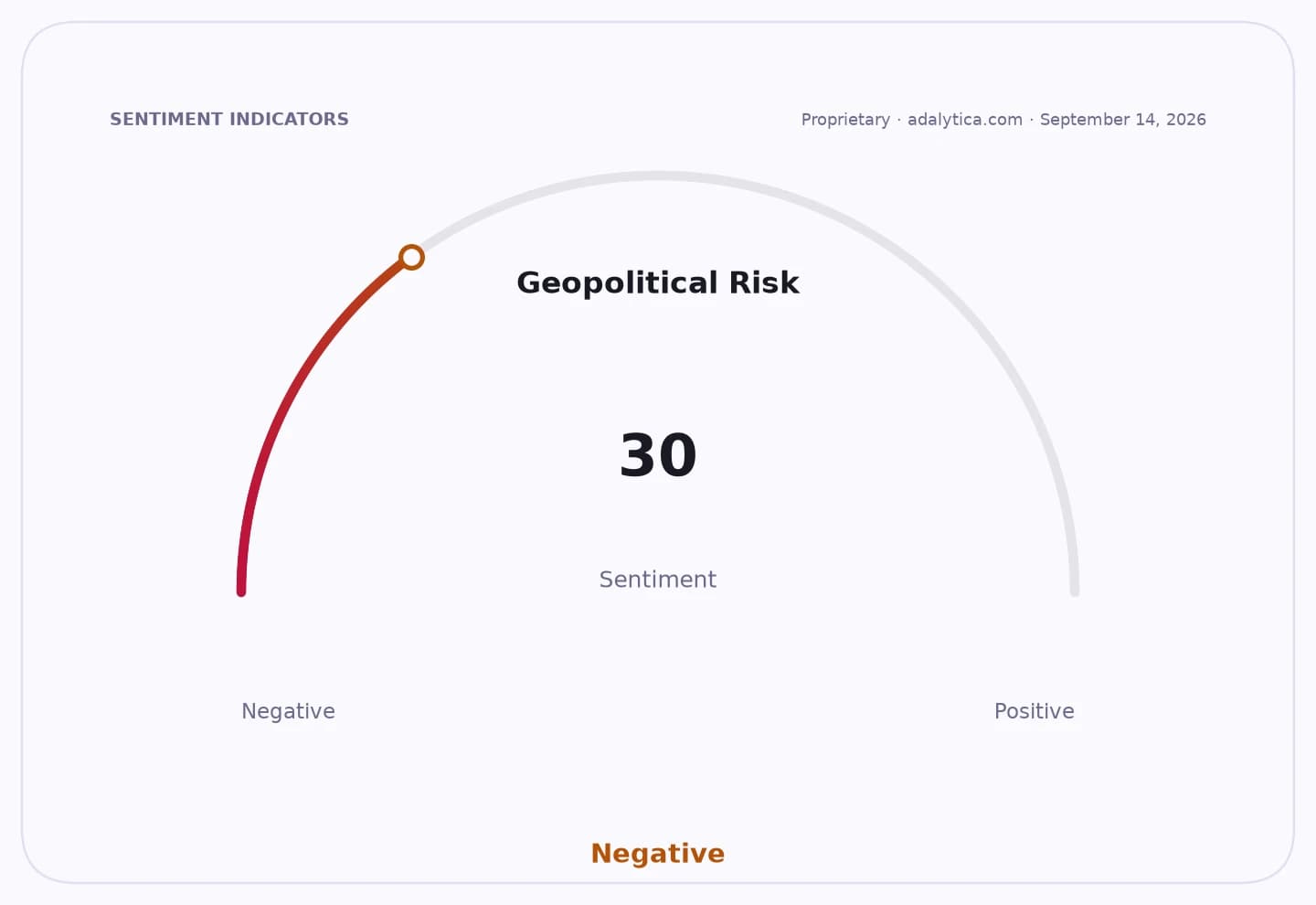
Russia is using AI-generated songs to industrialize wartime propaganda about Ukraine, with hundreds of tracks spreading across major streaming platforms and racking up millions of listens even as moderators struggle to keep pace.
Russia Uses AI Songs for Ukraine Propaganda

The campaign matters economically because it shows how generative AI is lowering the cost of influence operations. What once required composers, performers, studio time and distribution can now be produced quickly and cheaply at scale, allowing state-aligned messaging to flood global platforms with little marginal expense. That has implications well beyond music: it points to a new, cheaper model for political persuasion, one that can be copied by governments, militias and other actors seeking reach without traditional media infrastructure.
Terrecon, a Ukraine-linked nonprofit that tracks threats, said it catalogued 981 AI-generated songs containing what it defined as pro-Russian war propaganda. Many were created after 2024, when music generators including Suno and Udio entered the market. The tracks range from sentimental ballads to aggressive thrash metal, but their core message is consistent: they glorify Russian soldiers, dehumanize Ukrainians and frame the invasion as defensive and necessary.
The scale is what makes the story notable. The songs have appeared on Spotify, Apple, YouTube and Deezer, and one track about artillery systems drew more than two million YouTube views in two years. That distribution reach gives the material a credibility and durability that ordinary social-media posts often lack, especially when it is embedded in entertainment rather than overt political content.
For investors, the issue goes to platform governance and brand safety. Streaming services have built global businesses on user-generated and algorithmically recommended content, but the report shows how uneven enforcement can allow propaganda to slip through. Deezer and YouTube require labeling in some cases; Spotify said in September it began tagging AI-generated songs and excluding them from recommendations. Still, the broader industry has not adopted consistent rules against propaganda itself, creating reputational risk for platforms that host abusive or politically extreme material.
The finding also exposes a weakness in AI moderation systems. Terrecon said it was able to prompt Suno, Udio, Google’s Flow Music and Singapore-based Mureka in Russian and English to generate similar songs, with safeguards reacting mainly to banned words rather than the underlying meaning. That suggests content filters are still better at spotting isolated slurs than coordinated political messaging, especially in foreign languages and coded wartime references.
For Moscow, the advantage is strategic as well as cultural. Kremlin-linked institutions have long promoted patriotic content, and the new AI songs fit a broader effort to normalize the war and keep domestic support intact. Nina L. Khrushcheva, a scholar of Russian propaganda, described the material as a hollow echo of Soviet wartime music — “a simulacrum over simulacrum over simulacrum” — but said it serves a useful purpose by making militarized messaging easier to consume.
The bear case for the platforms is that these songs may remain a niche issue if engagement stays limited and moderation improves. The bull case for Moscow, from a propaganda standpoint, is that AI removes the bottlenecks that once constrained cultural warfare. If the production cost keeps falling and moderation remains fragmented, Russia and other actors may find they can saturate digital channels with persuasive content faster than platforms can police it.
What happens next will depend on whether regulators and streaming companies treat AI propaganda as a safety issue rather than just a copyright or hate-speech problem. If they do not, the episode suggests the next front in disinformation will be less about fake news posts and more about synthetic culture — music, video and other emotionally sticky formats designed to normalize conflict while looking like ordinary entertainment.
| Entity | Gains | Losses |
|---|---|---|
| Kremlin-aligned propagandists | ▲Low-cost reach | ▼Less control if flagged |
| AI music platforms | ▲User growth, usage | ▼Trust, moderation costs |
| Streaming services | ▲More content inventory | ▼Brand safety, compliance risk |
| Ukraine and allies | ▲Evidence of disinfo tactics | ▼Information space integrity |