Russia’s latest move near Poland sent fighter jets scrambling and put Europe’s frontline air defenses back in focus, reinforcing the investment case for defense contractors even as the broad market stays cautious on geopolitical risk.
Russia air incident lifts defense spending focus
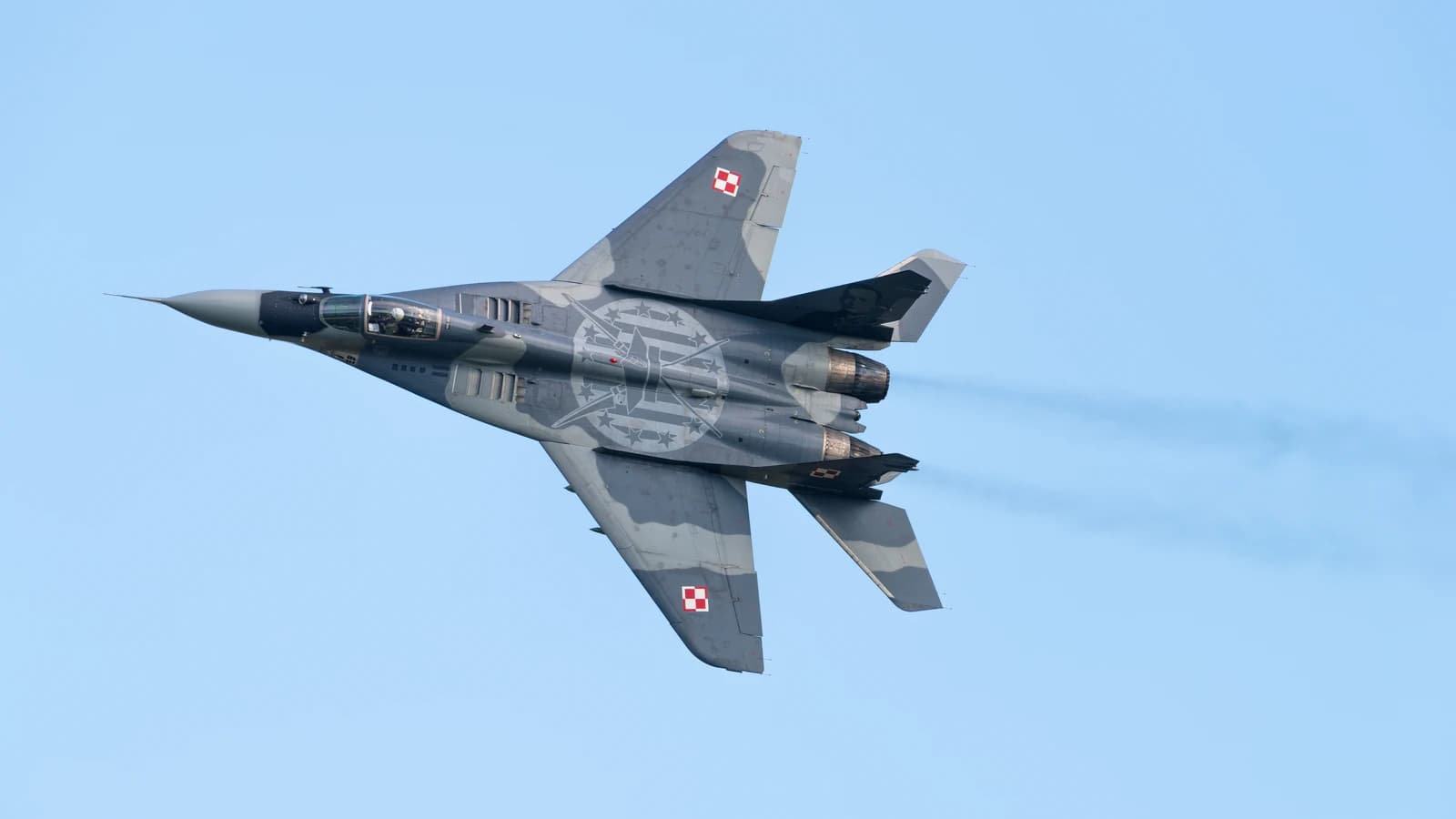
The immediate market read-through is straightforward: when Polish and allied aircraft are forced into the air, investors tend to look past the headline event and toward the spending cycle it could accelerate. The episode underscores how quickly battlefield spillover, even without direct conflict, can translate into higher demand for air defense, surveillance, interceptors and readiness upgrades across NATO’s eastern flank.
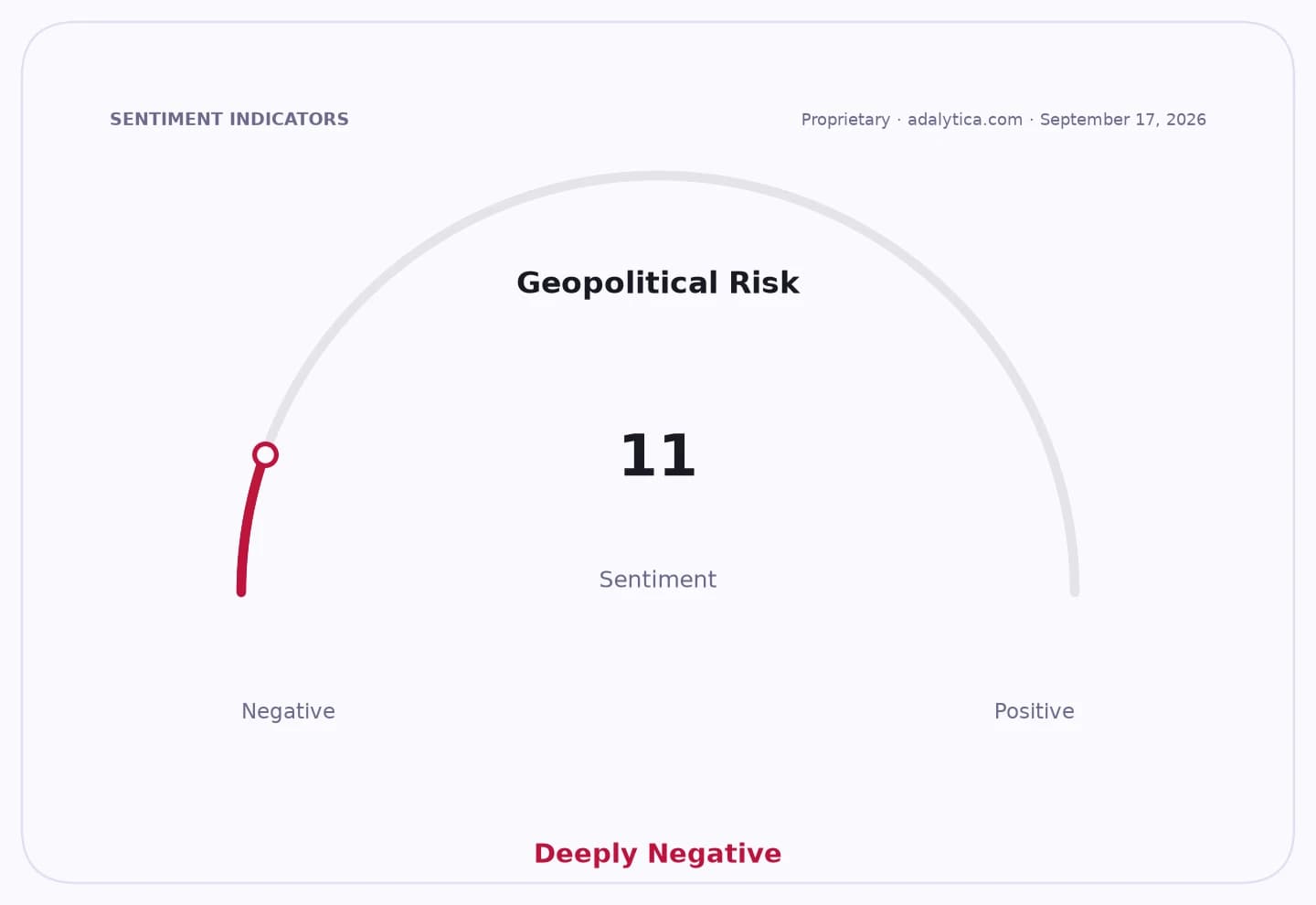
Sentiment IndicatorsⓘProprietary · adalytica.com · September 3, 2026
This is a snapshot — live sentiment, awareness and momentum for 130+ markets update continuously in the dashboard.Open AlphaPulse
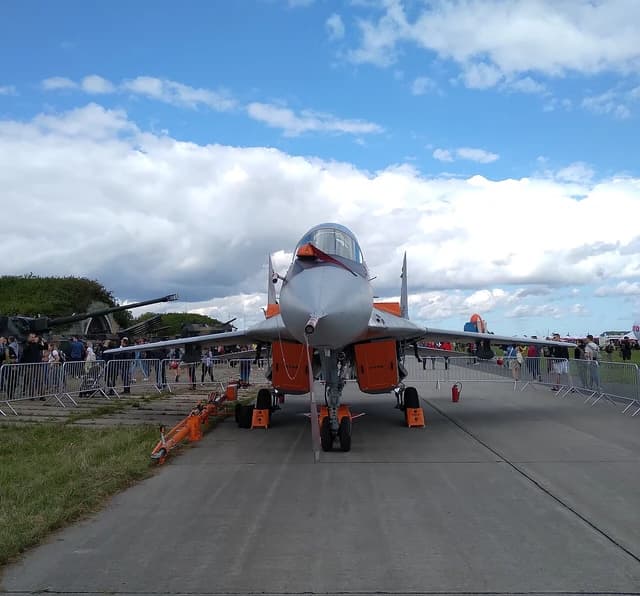
That matters economically because Europe is already moving to rebuild military inventories after Russia’s invasion of Ukraine, and repeated airspace incidents tend to strengthen the argument for faster procurement. The geopolitical premium is no longer abstract. Governments on the frontier are under pressure to spend on layered air defenses, command-and-control systems and fighter availability, while the European Union’s larger economies face growing pressure to fund allied deterrence and domestic security at the same time.
Defense shares reflected that logic. Boeing, which supplies military aircraft and systems but is more exposed to broader aviation execution risk, closed at $210.51, down from recent levels and well below its 50-day average of $219.53, with an RSI of 19.0, suggesting the stock remains technically oversold. Lockheed Martin ended at $532.95, also below its 50-day and 200-day averages of $551.31 and $549.66, while its RSI of 20.3 points to similarly heavy selling pressure. RTX, a key air-defense and missile contractor, finished at $202.13, below both its 50-day average of $206.91 and its 200-day average of $191.67, with an RSI of 21.8. The group’s weakness suggests investors are not yet pricing in a new burst of defense spending, even as the strategic case for it strengthens.
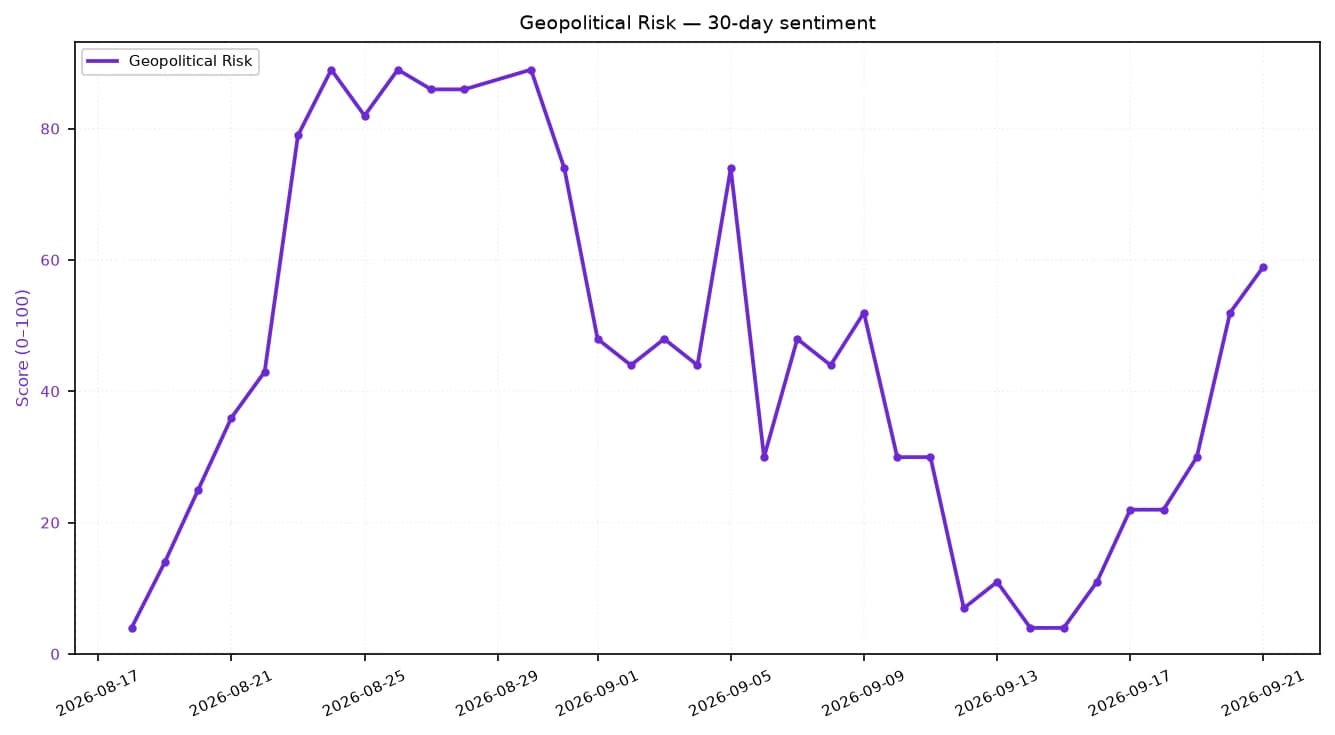
Geopolitical Risk — 30-day sentimentadalytica.com
Explore this data interactively — full history, time series and cross-market comparisons.Open AlphaPulse

For the bullish case on the sector, the incident reinforces a familiar pattern: every escalation near NATO territory raises the odds of higher European procurement budgets, more urgent replenishment of missile stocks and a longer backlog for prime contractors and suppliers. The bear case is that markets may already have discounted much of the structural rearmament story, while near-term budget negotiations in Europe can still be slow, uneven and politically constrained.
Adalytica’s Global Stability Sentiment gauge slipped to a neutral 44, down sharply over the past month, consistent with a market that is becoming less tolerant of geopolitical shocks. That backdrop typically supports defense valuations over time, but it can also trigger short-term volatility as investors digest whether each new incident is a one-off or part of a broader deterioration.
For now, the key question is whether Poland’s scramble becomes another isolated warning shot or another data point in a widening security problem for Europe. If incidents continue, the likely winners are defense contractors with missile, sensor and air-defense exposure; the losers are governments trying to contain spending, and investors betting the NATO perimeter will remain quiet.
| Entity | Gains | Losses |
|---|---|---|
| RTX | ▲Air-defense demand | ▼Budget restraint |
| Lockheed Martin | ▲Missile replenishment orders | ▼Geopolitical calm |
| Boeing | ▲Defense relevance | ▼Near-term sentiment |
| NATO frontline states | ▲Deterrence urgency | ▼Fiscal flexibility |