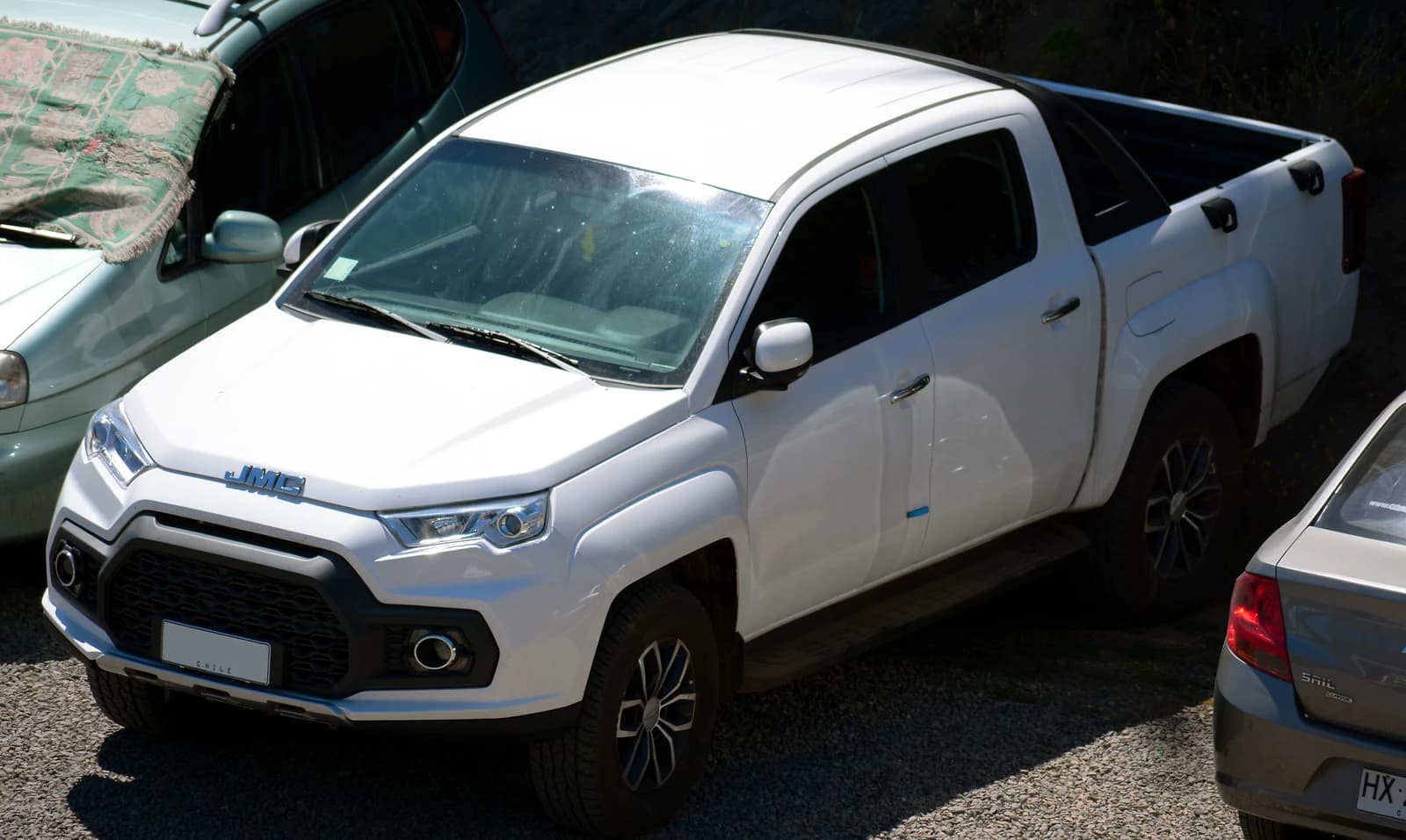
Chinese auto financing is now so costly in Russia that a mainstream car purchase can look more like a housing decision than a consumer upgrade, and that matters because it is squeezing demand, prolonging the slump in the broader auto market and pushing buyers toward ever-longer debt just to stay on the road.
Russia Car Loans Make Chinese Autos Less Affordable
What used to be a half-salary problem has become a structural affordability trap. A fresh calculation on Russia’s car market shows that the cheapest new Chinese models now start around 2.1 million to 2.9 million rubles, with monthly payments on popular brands such as Chery, Geely and Haval ranging from roughly 18,000 rubles to as much as 98,000 rubles depending on down payment and tenor. Even with a 1 million-ruble deposit, the payment on a Chery Arrizo 8 can still run about 61,000 rubles a month for three years, while the same car financed with no savings jumps to about 98,000 rubles. On a Geely Coolray, borrowers without a down payment can face about 90,000 rubles a month for three years. On the more affordable Haval Jolion, payments still land at 32,000 rubles a month with a sizable down payment.
Sentiment IndicatorsⓘProprietary · adalytica.com · October 4, 2026
This is a snapshot — live sentiment, awareness and momentum for 130+ markets update continuously in the dashboard.Open AlphaPulse
That is not just a consumer story. It is a credit story, a demand story and a policy story. When a car loan starts competing with a mortgage for household income, buyers stretch maturities to seven or even 10 years, trade down to cheaper models, delay purchases or simply stay out of the market. That reduces turnover for dealers, narrows volumes for automakers and keeps pressure on lenders that are trying to find borrowers who can still service debt in a higher-rate environment.
The second-hand market is no relief. A 2020 crossover with fewer than 70,000 kilometers is still averaging around 2.5 million rubles, leaving borrowers to finance about 1.5 million rubles after a typical deposit. Online loan quotes cited in the report show how wide the spread has become: around 10% at T-Bank, nearly 17% at VTB and as high as 24% at Sber on used cars. That is why the pain feels more like a mortgage than an auto loan — the monthly obligation is high enough to crowd out everything else.
The macro backdrop makes the squeeze worse. Russian salaries have risen, but so have vehicle prices, and the state’s recycling fee on imports has already been raised and may go up again. The result is a market that has not meaningfully normalized since foreign brands pulled back, leaving Chinese automakers to dominate the showroom floor while prices keep climbing. In that environment, affordability is being rationed by financing terms rather than by sticker prices alone.
For investors, the takeaway is straightforward: the winners are the lenders and brands with the strongest funding access, pricing power and low-cost models; the losers are mass-market consumers, import-dependent dealers and any automaker leaning on financed demand. This is where the market often misprices the real opportunity. The durable upside is not in chasing volume at any cost, but in owning the firms that can profit from a permanently more expensive, more constrained car market.
The next catalyst is simple: if duties, fees and rates keep rising, Russia’s auto market becomes an even tighter funnel. That favors the cheapest Chinese brands, the banks that can still write loans, and any company positioned to sell value vehicles into a market where even a basic car now carries the economics of long-term debt. The best position is to own the toll roads of the system, not the traffic jam.
| Entity | Gains | Losses |
|---|---|---|
| Chinese automakers in Russia | ▲dominate scarce supply | ▼face affordability ceiling |
| Banks/lenders | ▲earn higher loan margins | ▼take on credit risk |
| Car buyers | ▲little on price | ▼monthly budgets and demand |
| Import-dependent dealers | ▲some volume from Chinese brands | ▼weaker traffic and turnover |