Russia’s shift away from Europe is hardening into a structural trade realignment, with President Vladimir Putin saying commerce with China has topped $135 billion and trade with Shanghai Cooperation Organization members has climbed above $400 billion in 2025.
Russia Trade With China Tops $135 Billion

That matters because the Kremlin is no longer treating Europe as a recoverable market. The bad news from two European neighbors is not just political symbolism; it is another sign that Russia’s western trade routes, investment channels and financial linkages are staying impaired while Moscow leans harder on Asia to keep goods, energy and capital moving.
For investors, that raises the stakes in energy, shipping, currencies and sanctions-sensitive supply chains. Russia’s pivot supports a longer runway for Asian trade corridors, alternative payment systems and cross-border commodity flows, but it also underscores how much of the old Europe-Russia commercial model has already been destroyed. The market underestimates how durable that break is.
Putin’s numbers show the scale of the reorientation. Trade with China above $135 billion and SCO trade above $400 billion point to a growing Eurasian bloc that is increasingly functioning on its own rails. That is why the story matters well beyond Russia: it helps explain why Asian infrastructure, commodity intermediaries, freight networks and regional banks tied to non-Western trade are seeing more strategic relevance, while Europe-facing exporters and logistics chains tied to Russia are losing optionality.
There is also a financial angle. Russia has increasingly relied on nontraditional settlement channels, including cryptocurrency use in foreign trade, to work around sanctions pressure and frictions in the banking system. That does not replace the dollar-centric system, but it does show how geopolitical isolation is forcing new payment habits that can support selected infrastructure and digital-asset plumbing outside the West.
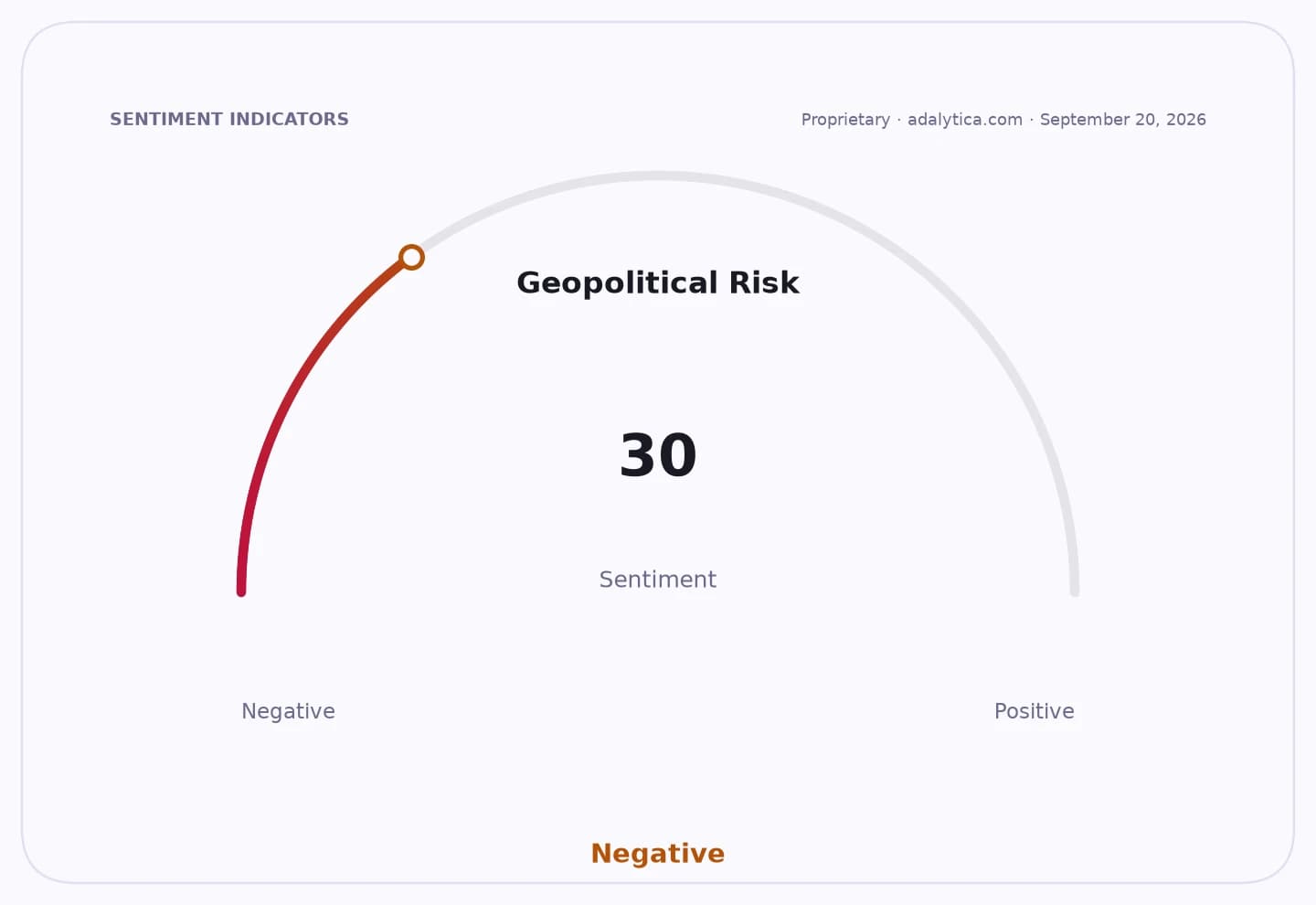
The message for markets is straightforward: Russia’s trade map is not normalizing back toward Europe. It is rerouting around it. That favors assets tied to Eurasian trade, defense, energy security and sanctions-proof infrastructure, while keeping a lid on any thesis that assumes a quick commercial thaw with the West. In geopolitical terms, the next leg is less about reconciliation and more about adaptation — and that is a multi-year investment theme.
| Entity | Gains | Losses |
|---|---|---|
| China and SCO members | ▲More trade leverage | ▼Less reliance on Europe |
| Russia | ▲Alternative markets | ▼Western commercial access |
| Europe-facing exporters | ▲-- | ▼Lost Russia demand |
| Asia-linked logistics and energy chains | ▲Higher throughput | ▼-- |