Russia’s new e-visa system is already lifting foreign hotel demand, with bookings from overseas visitors rising 25% in August from July and 40% from a year earlier, a sign the simplified entry process is starting to loosen one of the biggest constraints on inbound tourism.
Russia e-visa lifts foreign hotel bookings
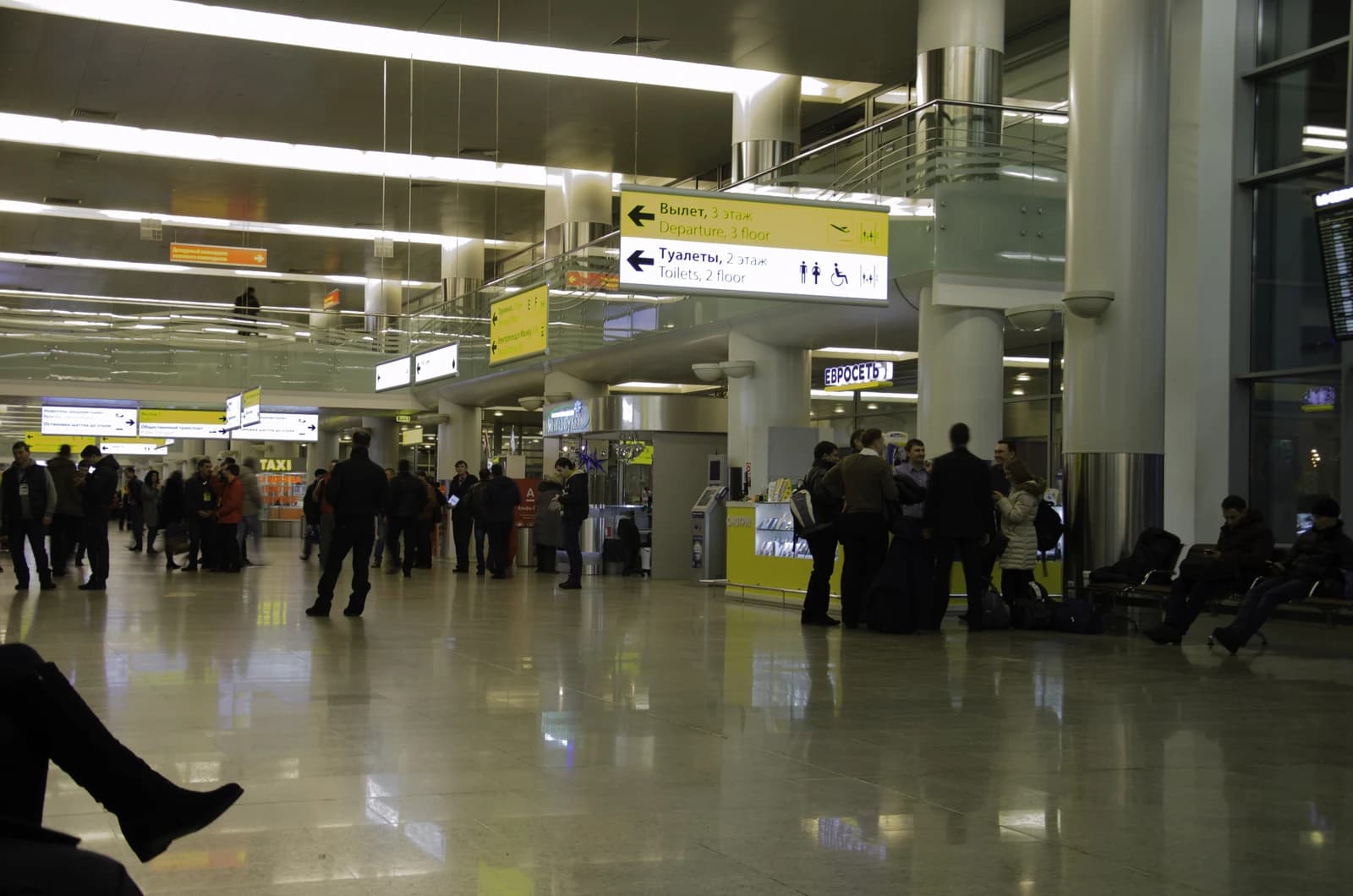
The move matters economically because travel is one of the few service sectors that can generate quick, broad-based spending without heavy capital investment. More foreign arrivals should support hotels, restaurants, transport and local retail, while also bringing in hard currency at a time when Russia’s external links remain constrained by sanctions and geopolitical frictions.
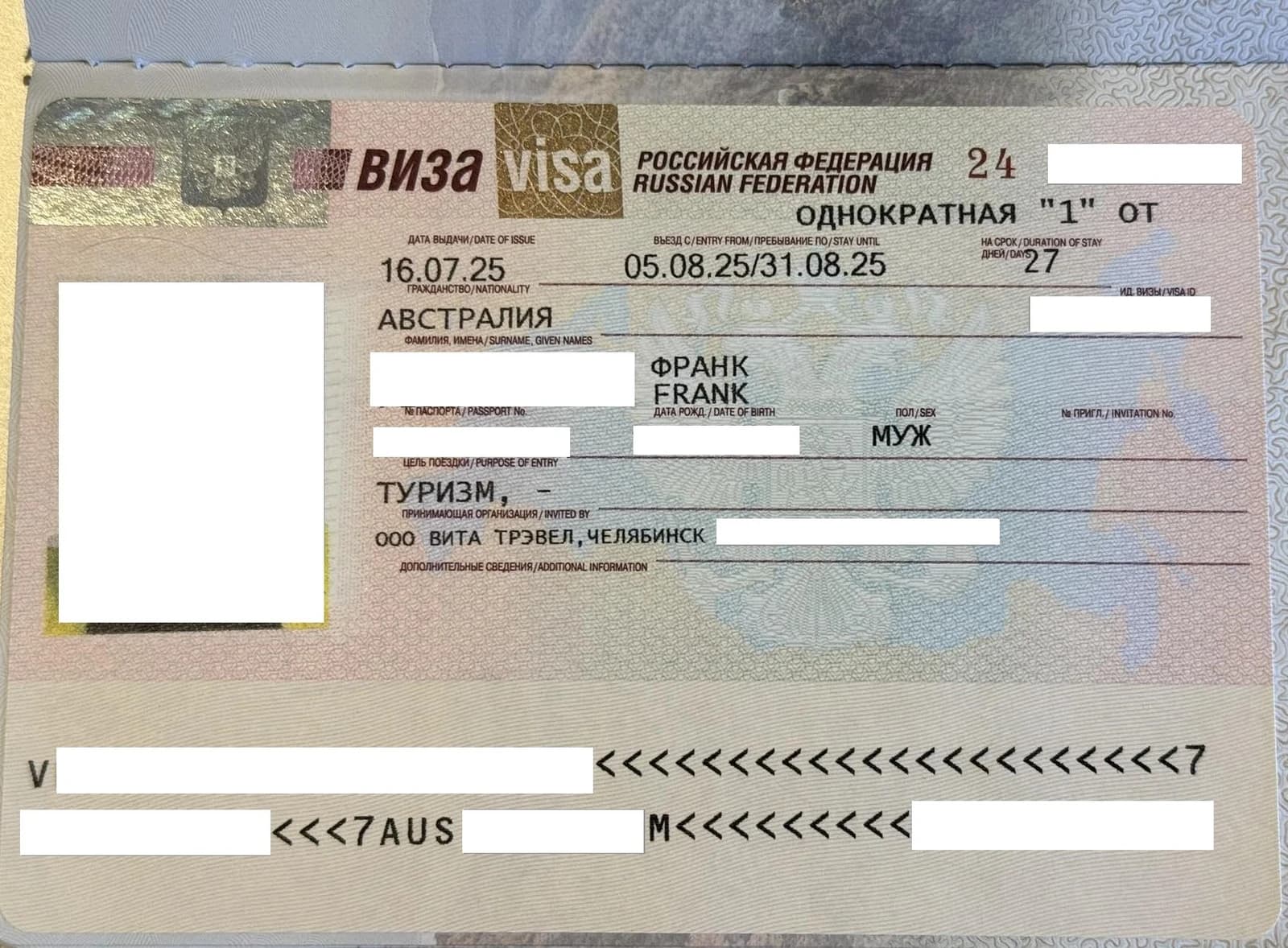
The visa scheme, launched this month for citizens of 55 countries, allows online applications through a portal or mobile app, costs about $52 and takes four days to process. It permits single-entry stays of about two weeks for tourism, business and a range of event-related visits. For visitors, that cuts friction and uncertainty; for Russian tourism operators, it can convert latent demand into actual bookings.
The strongest gains were concentrated outside the major gateways. Irkutsk saw foreign bookings triple year on year in August, while Vladivostok doubled. Moscow bookings rose 58% and Kazan 50%. St. Petersburg, Kaliningrad, Sochi, Ekaterinburg and Novosibirsk were also among the most popular destinations, suggesting the policy is benefiting both major cities and regional hubs.
The policy also fits a wider effort to rebuild inbound travel ties with non-Western markets. Russian officials say the e-visas are especially popular with travelers from India, Türkiye, China, Iran, Vietnam, Saudi Arabia, Singapore and several European countries, while Moscow has also launched visa-free group tours with China and Iran and expects a similar arrangement with India later.
For investors, the immediate read-through is to Russian hotel owners, travel agencies and transport providers, which could see better occupancy and pricing if the trend persists into the next season. The broader market implication is that Russia is trying to offset geopolitical isolation with targeted tourism liberalization, using easier entry rules to stimulate services consumption and regional spending.
The key question is whether the increase proves durable. If pre-bookings continue to strengthen, the e-visa program could become one of the clearest near-term demand supports for Russia’s tourism industry. If not, the initial spike may fade once the novelty of the new process wears off or if security and geopolitical concerns deter longer-term travel plans.
| Entity | Gains | Losses |
|---|---|---|
| Russian hotels | ▲Higher occupancy | ▼Slower demand without reform |
| Regional cities | ▲More foreign visitors | ▼Coastal and border rivals |
| Foreign travelers | ▲Easier, cheaper entry | ▼Longer visa delays |
| Competing destinations | ▲None | ▼Lost share of travelers to Russia |