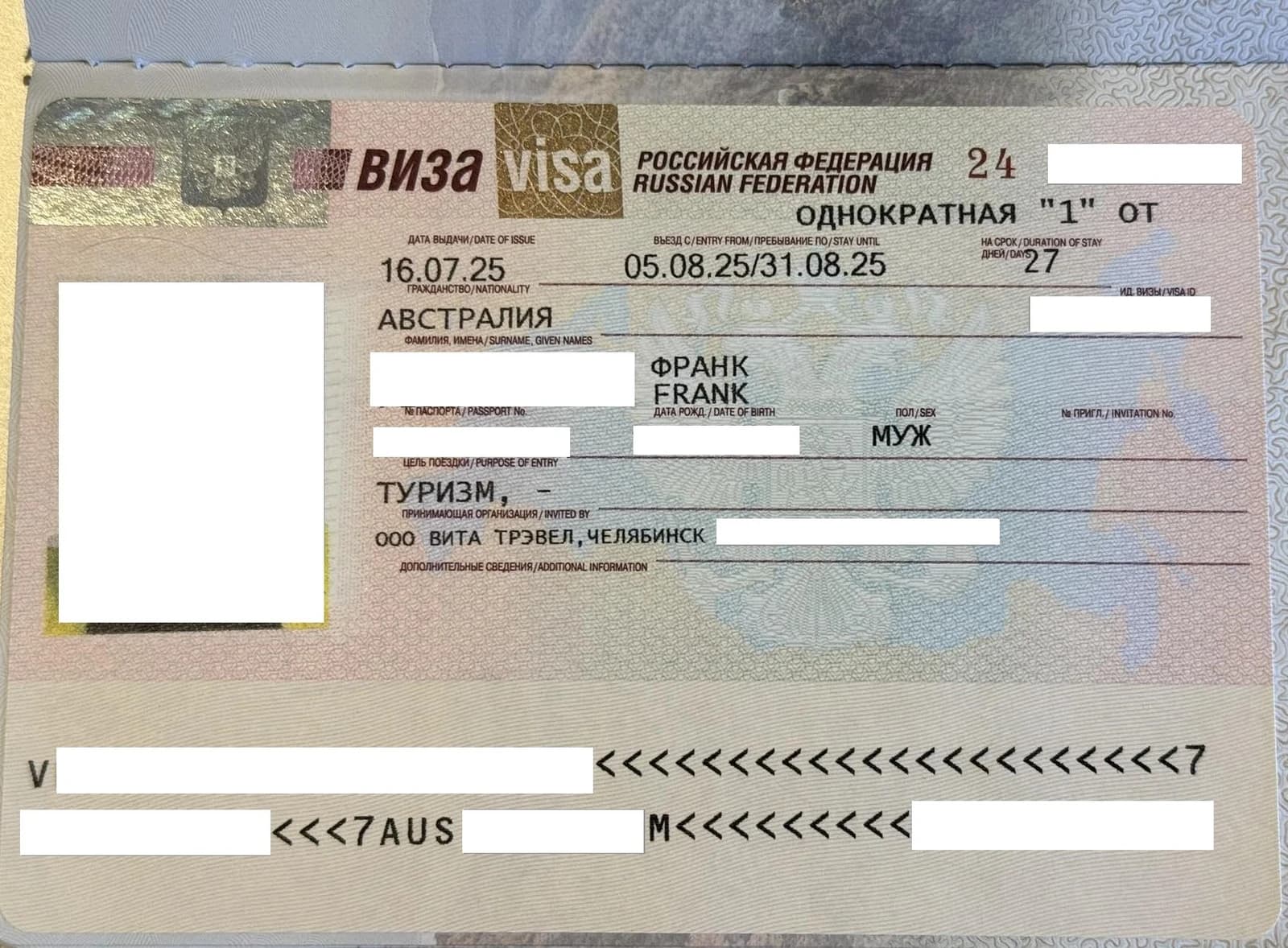
Russia may soon let foreign visitors remain on an e-visa for up to 45 days, a move that would make the country easier to enter and slightly more useful as Moscow tries to keep business, tourism and diplomatic channels open despite sanctions and war.
Russia E-Visa Plan Could Extend Stays to 45 Days
The proposal matters less for the visa itself than for what it suggests about Russia’s economic priorities. Longer stays can support inbound travel, hotel demand, retail spending and cross-border business activity at a time when the Kremlin is looking for ways to reduce the friction of doing business with Russia without offering the West any major strategic concession.
Sentiment Indicators
For investors, the key point is that travel policy is becoming one of the few remaining levers Russia can still pull to support consumer-facing activity and foreign-currency inflows. A 45-day e-visa would be more attractive for tourists, contractors and business travelers than the current shorter window, improving the practical value of Russia as a destination and potentially helping sectors tied to travel, hospitality and aviation.
That said, the move is unlikely to change the broad investment picture on its own. Russia’s travel market still faces sanctions, reputational risk and limited international airline connectivity, which means any boost from easier visas would be partial and uneven. The biggest beneficiaries would likely be domestic service providers and state-linked industries that can capture more spending from the visitors who do come.
The policy also fits a wider pattern in which Moscow is trying to keep economic doors open while the war in Ukraine grinds on. Russian officials have shown interest in re-engaging with the global economy where possible, even as front-line fighting continues and diplomatic talks remain uncertain. Easier entry rules are a low-cost way to signal that Russia still wants foreign money and foreign attention.
For long-term investors, the bigger lesson is that policy changes like this are worth watching as incremental indicators of economic normalization, but not as a thesis on their own. If Russia is gradually trying to rebuild foreign engagement, that could matter for travel-linked businesses and regional commerce over time, though the main risks around sanctions, geopolitics and restricted capital flows remain firmly in place.
| Entity | Gains | Losses |
|---|---|---|
| Foreign visitors | ▲Longer stays, easier planning | ▼Less urgency to renew visas |
| Russian tourism and hospitality | ▲More spending, higher occupancy | ▼Less pressure for deeper reform |
| Domestic business travel | ▲More flexibility for meetings | ▼N/A |
| Sanctions regime / hardliners | ▲N/A | ▼Slight easing of Russia’s isolation |