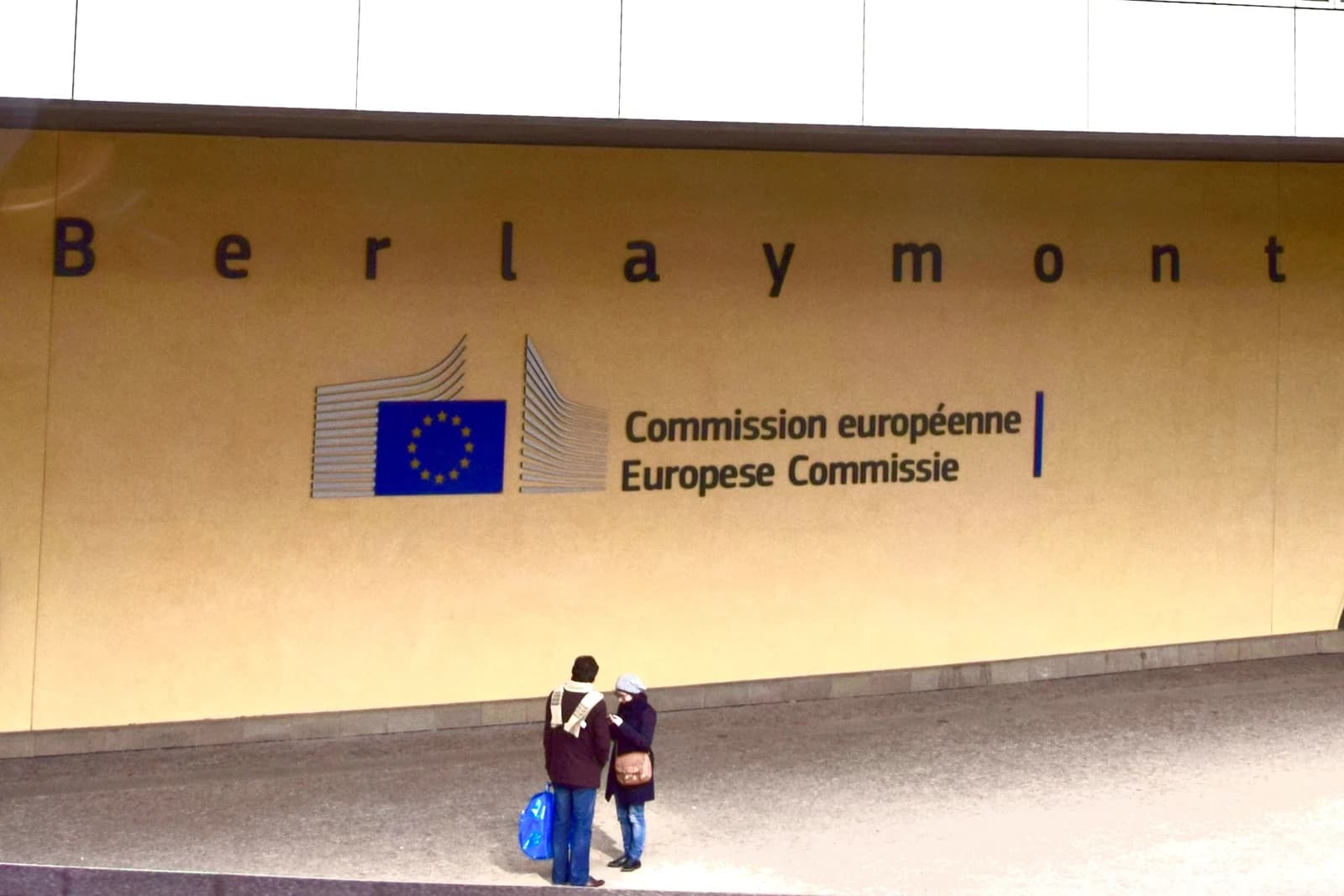
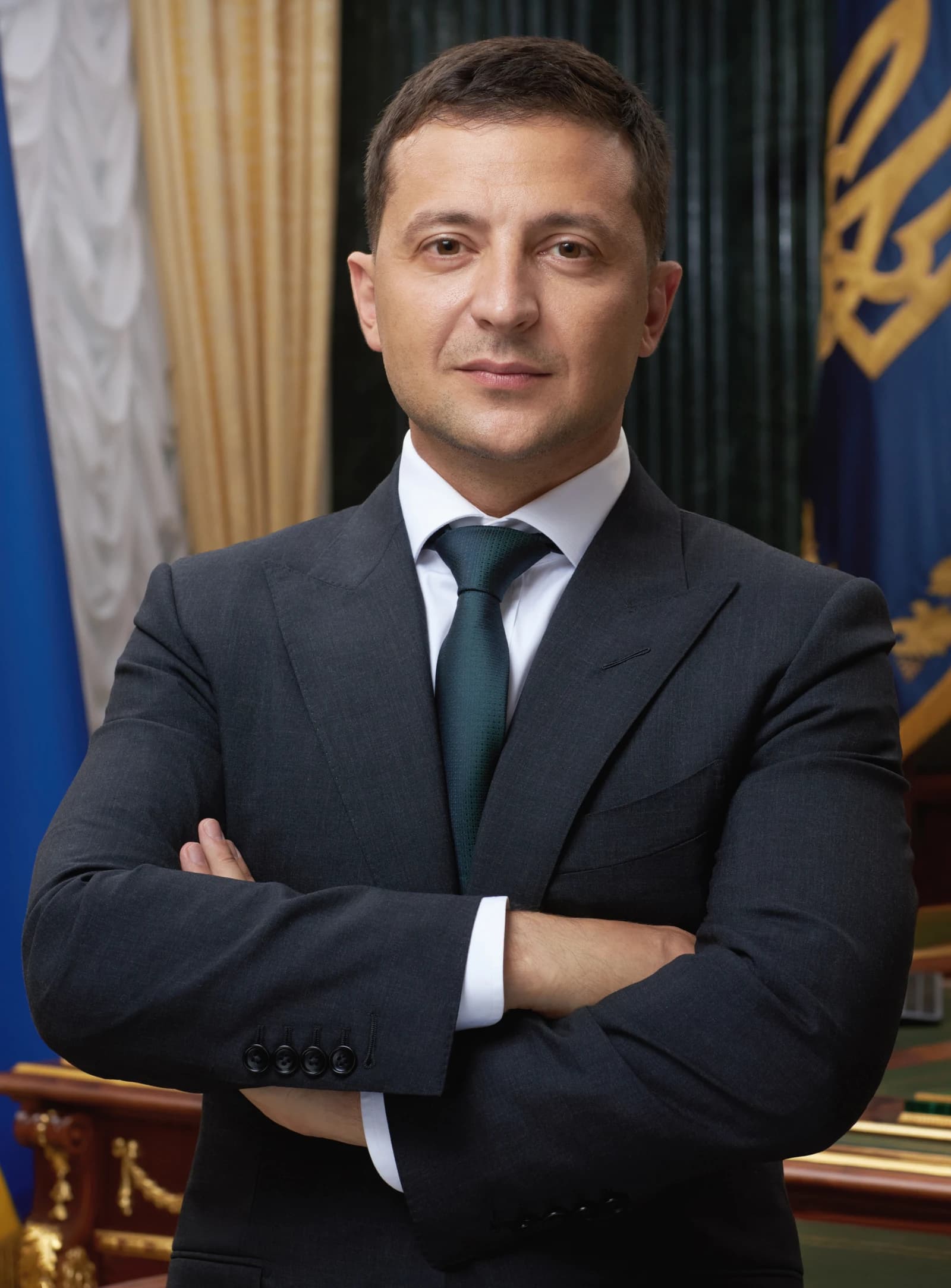
Russia has widened its travel ban to include more European Union representatives, including members of the European Parliament, in a fresh retaliation move that underscores how the war in Ukraine is still hardening the political split between Moscow and Brussels.
Russia widens travel ban on EU lawmakers

The Russian Foreign Ministry said the expanded blacklist targets people involved in decisions on military aid to Kyiv, sanctions enforcement and what Moscow calls “anti-Russian” activity, including lawmakers and academics who voted for resolutions against Russia. The move keeps diplomatic channels tight and raises the cost of any near-term thaw in relations, even as the conflict continues to spill over into Europe’s security and energy calculus.

For investors, the significance is less about direct market impact than about the persistence of geopolitical risk across Europe’s policy backdrop. Sanctions tit-for-tat can complicate trade, energy planning, shipping routes and defense spending, while keeping pressure on assets tied to Russian exposure and on sectors sensitive to European security spending, from defense to infrastructure protection.
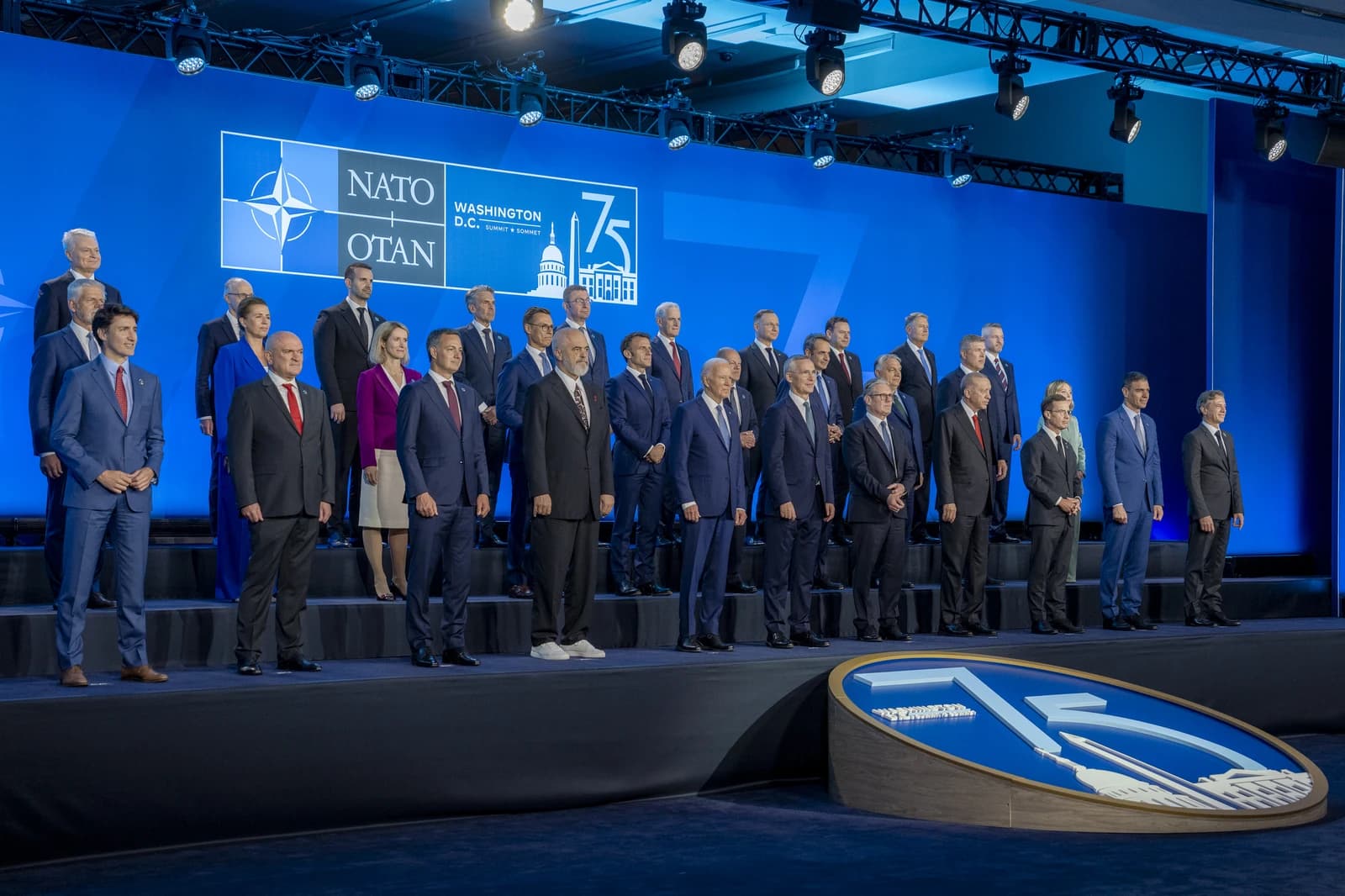
The announcement lands as European leaders step up warnings that Russia’s “hybrid” campaign is widening beyond the battlefield. French President Emmanuel Macron called for a G7-backed protection plan for critical infrastructure, while the European Union raised the alert level for its Red Sea naval mission as security deteriorates in multiple theaters.
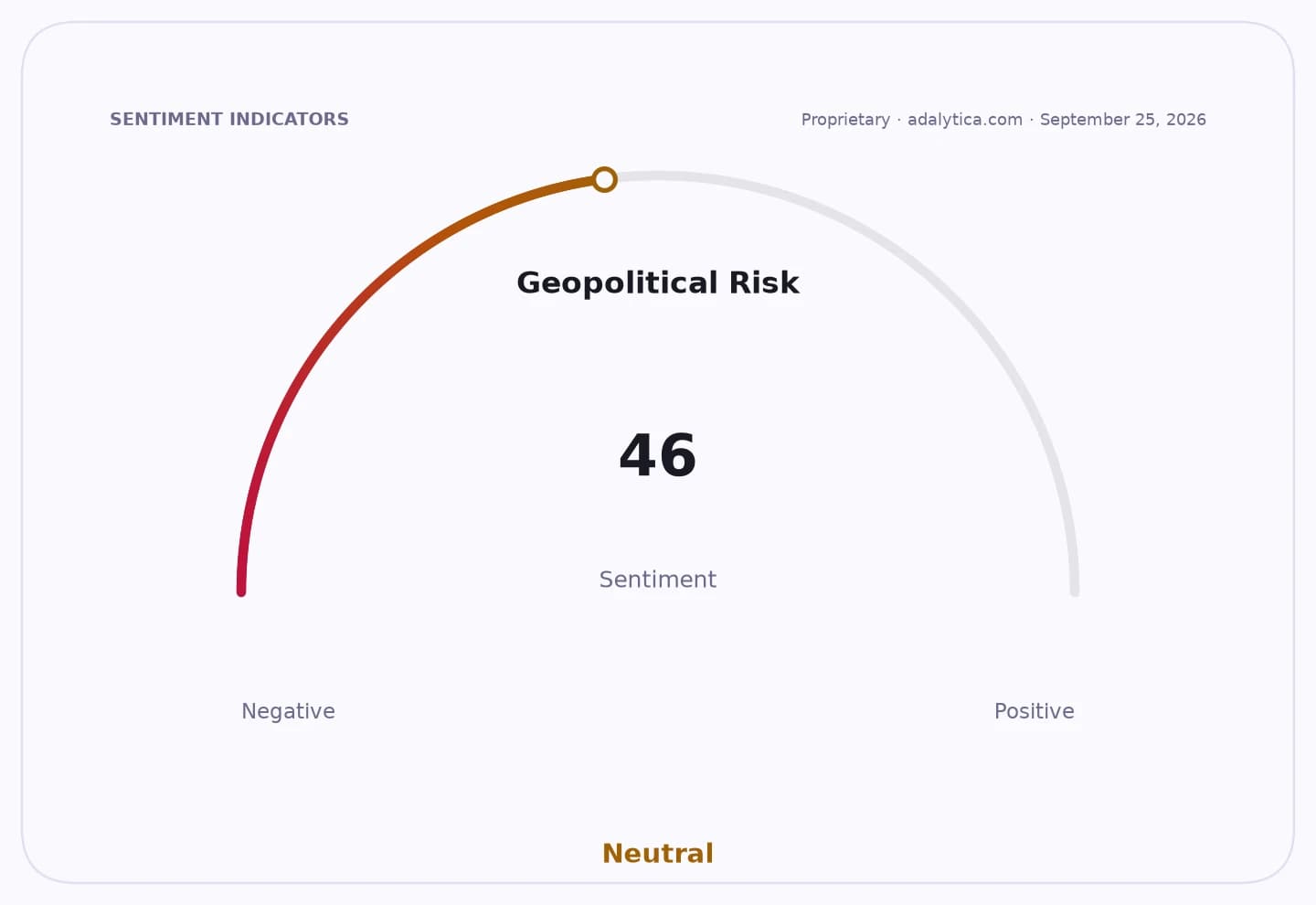
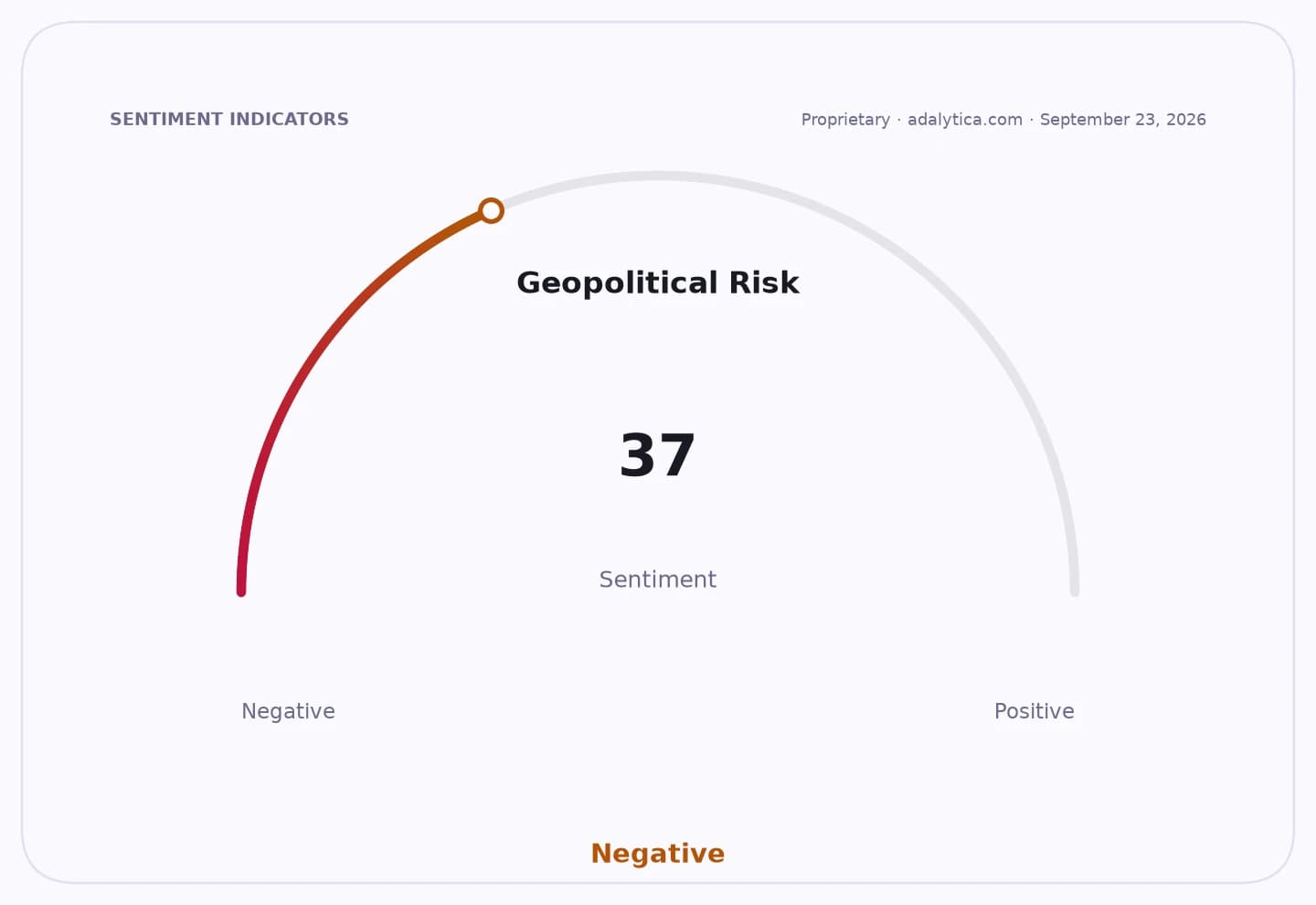
Geopolitical Risk vs EZUadalytica.com
Explore this data interactively — full history, time series and cross-market comparisons.Open AlphaPulse

At the same time, the broader market tone remains cautious. On Monday, the Global Stability Sentiment gauge from Adalytica was neutral at 52, after falling sharply over the previous week, while the EWG Germany ETF and the EZU eurozone ETF both showed soft technical setups, with EZU trading below its 50-day moving average and EWG stuck just under its short-term trend line.
The immediate market question is whether Europe’s sanctions posture stays coherent or frays further under political strain. Any sign of deeper EU division would matter for the euro, regional defense names and European cyclical assets exposed to energy and trade shocks, while a firmer bloc response would reinforce the case for higher security-related spending and continued pressure on Russia-linked flows.
| Entity | Gains | Losses |
|---|---|---|
| Russia | ▲Retaliatory leverage | ▼Diplomatic access |
| EU lawmakers | ▲Political spotlight | ▼Travel access to Russia |
| European defense stocks | ▲Higher security spending | ▼None |
| Eurozone equities | ▲Sanctions clarity if unified | ▼Geopolitical risk if divisions widen |