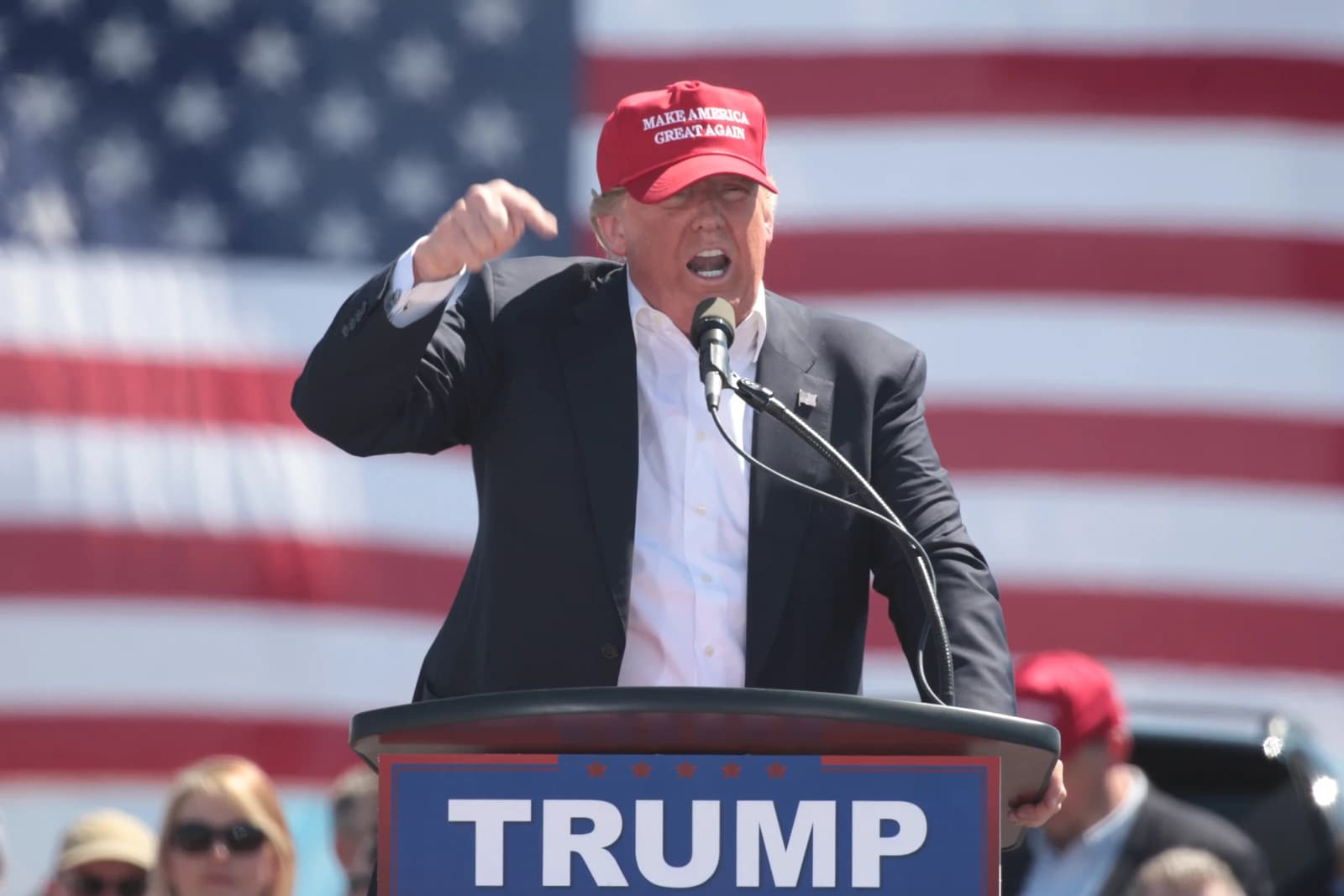
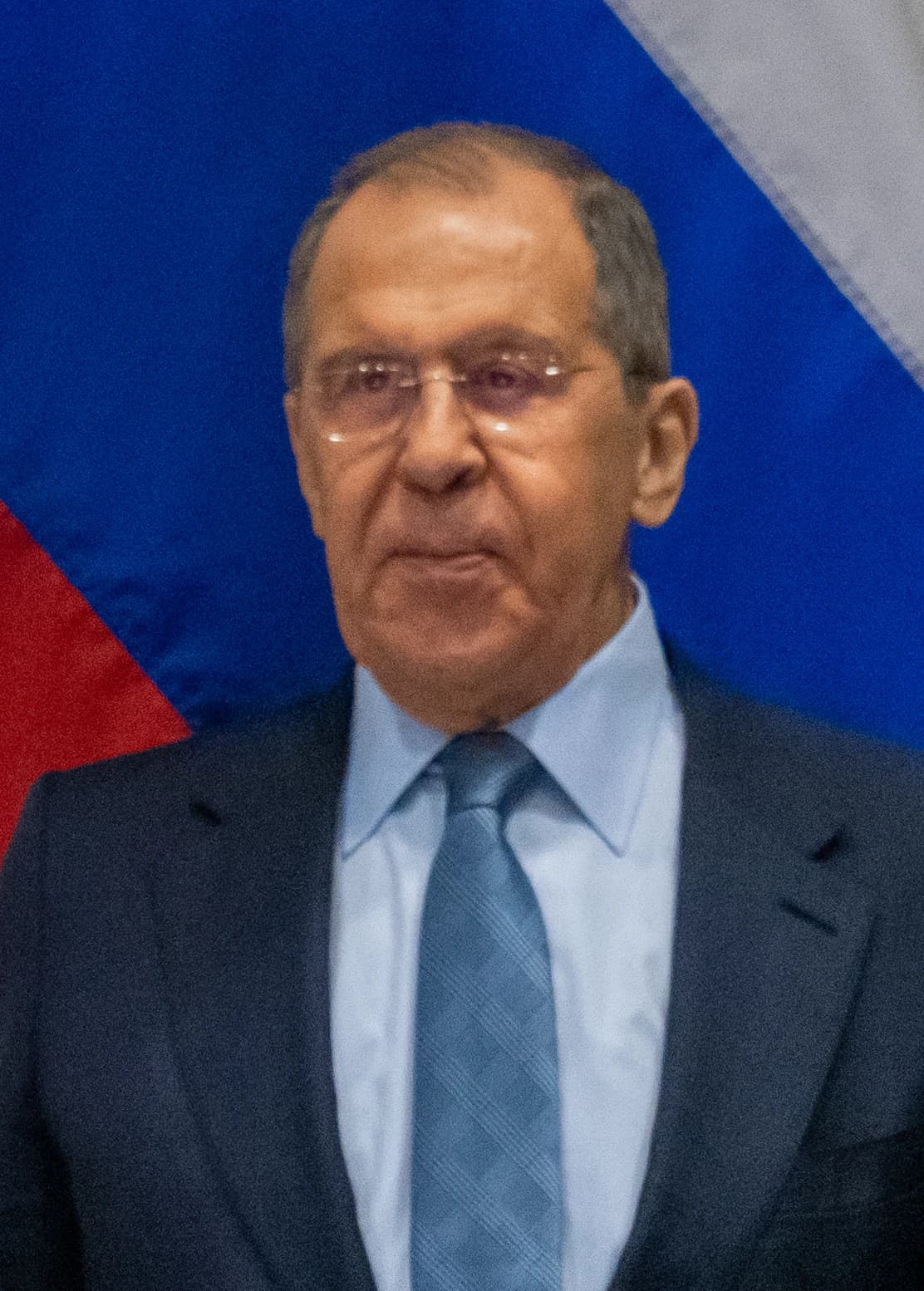
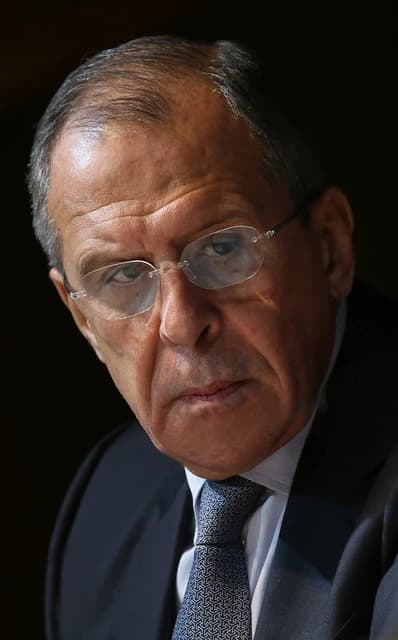
Sergei Lavrov’s warning that any European attack on Russia would end in a “very short” war is the latest sign that the continent’s security backdrop is deteriorating fast, and markets are beginning to price in that higher tail risk. The message matters because when a major nuclear power frames Europe as a direct military adversary, it raises the odds of defense spending, energy disruption and capital moving into havens — all of which have real economic consequences well beyond the battlefield.
Russia-Europe Tensions Lift Dollar, Hurt Euro
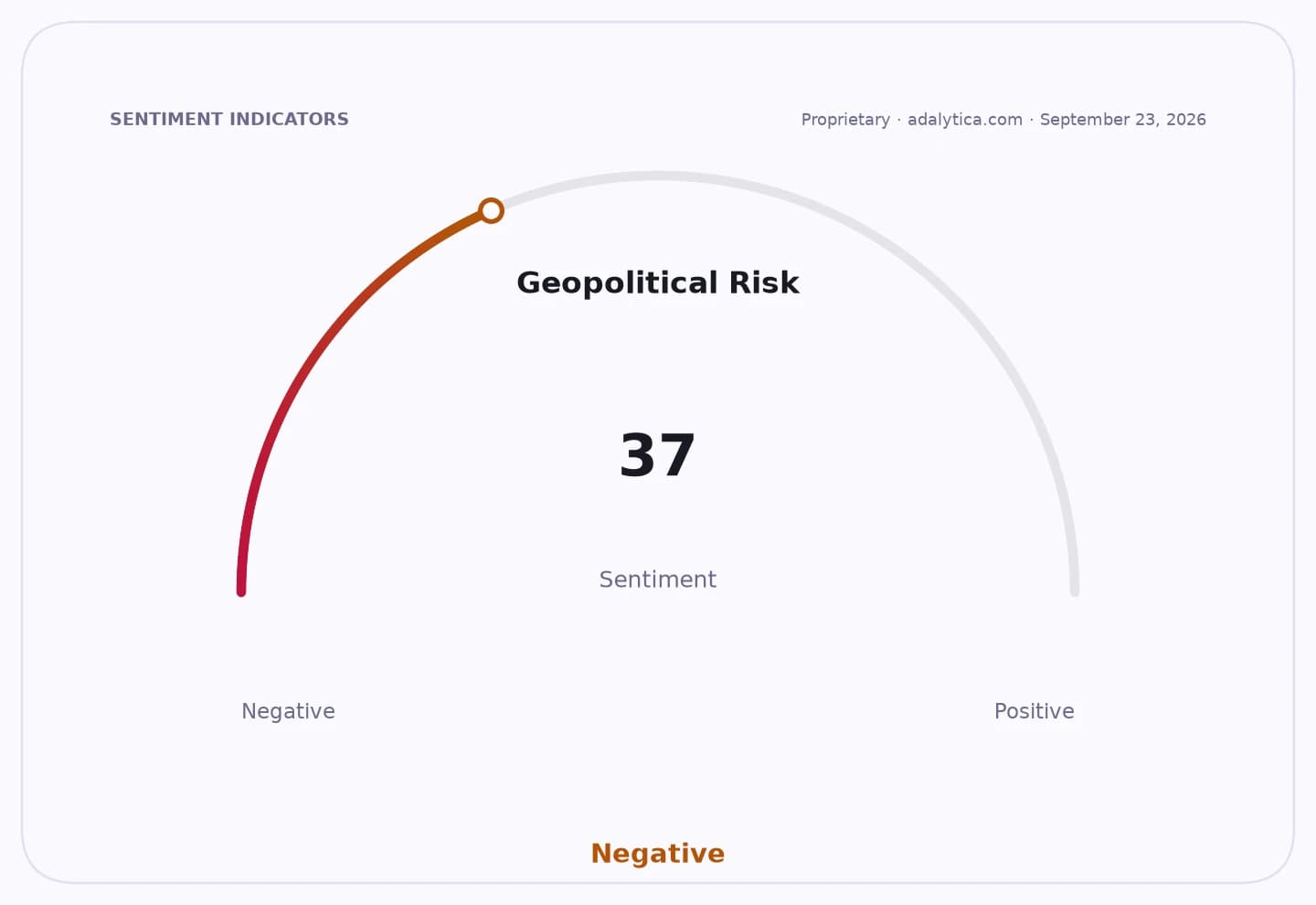
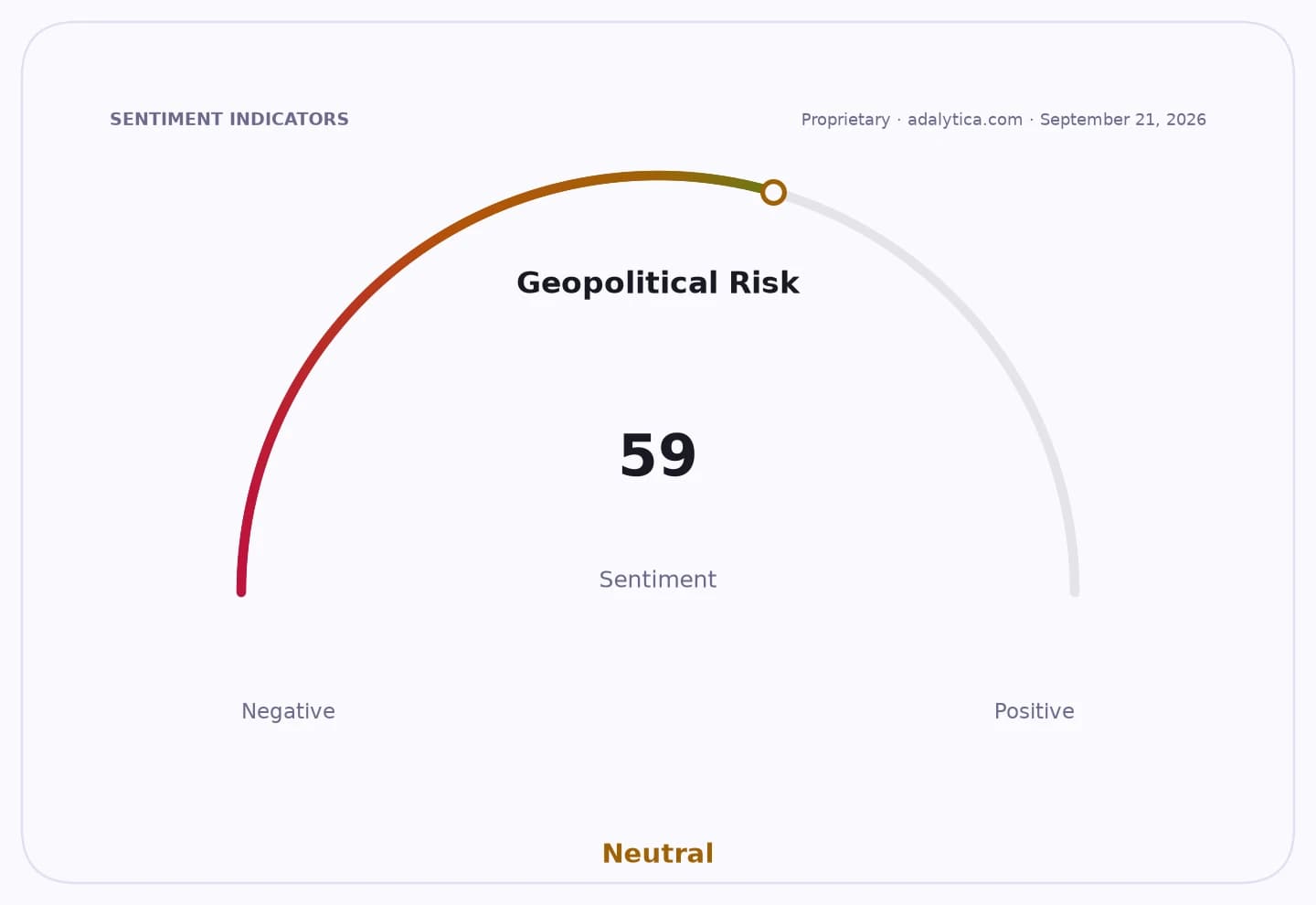
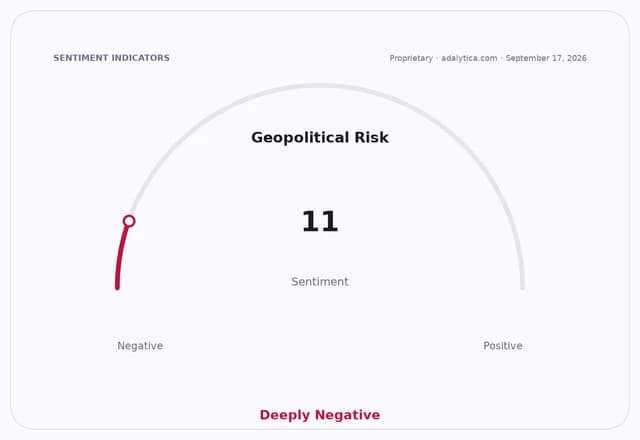
That risk is already showing up in sentiment. Adalytica’s Global Stability Sentiment gauge is in “Extreme Fear” at 11, down 37 points over the past week, underscoring how quickly geopolitical stress can reprice assets even before any shots are fired. For investors, that kind of backdrop tends to reward exposure to dollar strength, defense contractors, energy security plays and other so-called picks-and-shovels tied to a more militarized Europe.
Foreign-exchange traders are already leaning that way. The Invesco DB US Dollar Index Bullish Fund, or UUP, has climbed to 28.40, its highest reading in the data set, and is trading above both its 50-day and 200-day moving averages. Its relative strength index is also elevated at 67.3, suggesting the dollar bid is broadening as investors seek safety. The euro, by contrast, remains fragile: the FXE euro fund closed at 105.85, below its 50-day average of 106.32 and 200-day average of 106.99, with an RSI of 24.9, a level that points to oversold conditions rather than confidence in a durable rebound.
That divergence is the market’s first clue that this is not just rhetoric. A sustained escalation between Russia and Europe would hit the region where it hurts most: energy imports, industrial production, transport routes and the cost of capital. Europe still lives with the structural legacy of the Ukraine war, and any fresh military brinkmanship would reinforce the premium already embedded in defense budgets, LNG infrastructure, grid resilience and supply-chain redundancy.
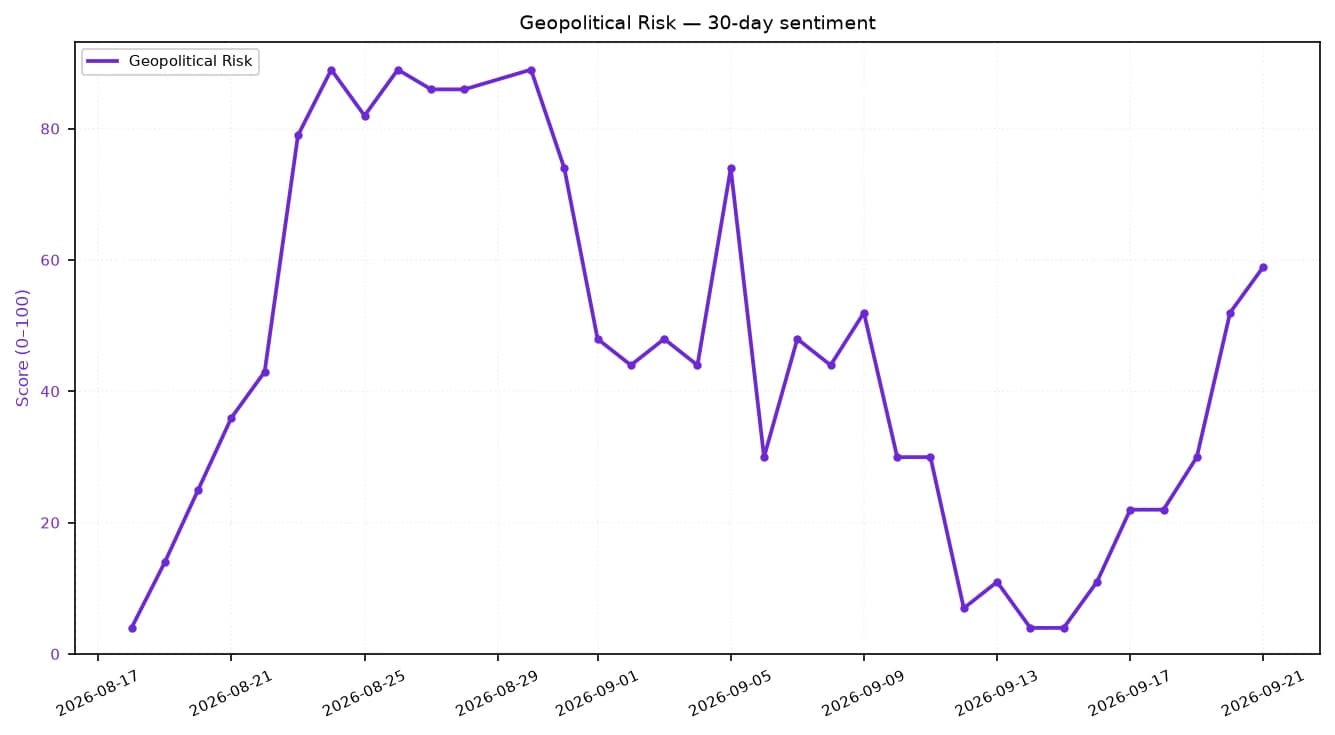
Geopolitical Risk — 30-day sentimentadalytica.com
Explore this data interactively — full history, time series and cross-market comparisons.Open AlphaPulse
The investable thesis is straightforward. The market underestimates how quickly geopolitical fear can turn into capital spending, and capital spending into long-duration winners. Defense names, cybersecurity, satellite and space-security contractors, power infrastructure companies and U.S. dollar beneficiaries all stand to gain if policymakers respond to Lavrov’s warning with more rearmament and more hedging. The losers are easier to spot too: euro-sensitive exporters, European cyclicals, energy importers and risk assets that depend on a stable continental growth outlook.
The next catalyst is not whether diplomats soften the language; it is whether governments and markets react by locking in a longer period of militarization. If they do, the winners will be the companies selling the tools of deterrence, not the politicians making the speeches. For investors, that makes this a moment to own safety, defense and energy resilience before the consensus fully catches up.
| Entity | Gains | Losses |
|---|---|---|
| U.S. dollar / UUP | ▲Safe-haven inflows | ▼Risk assets |
| Defense contractors | ▲Higher rearmament spending | ▼Peace dividend |
| European economy / FXE | ▲— | ▼Growth, confidence |
| Energy security plays | ▲Infrastructure demand | ▼Import-dependent industry |