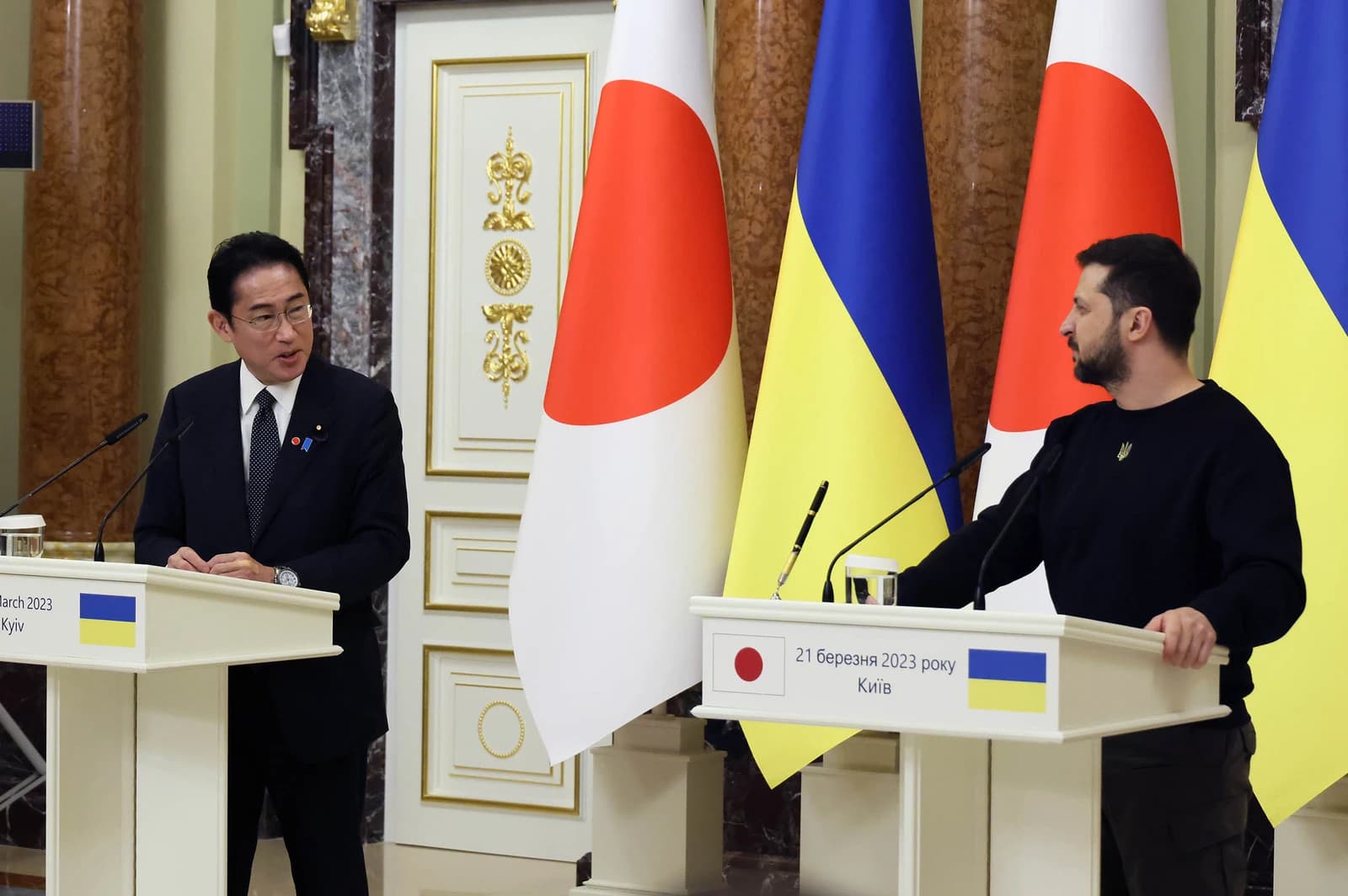
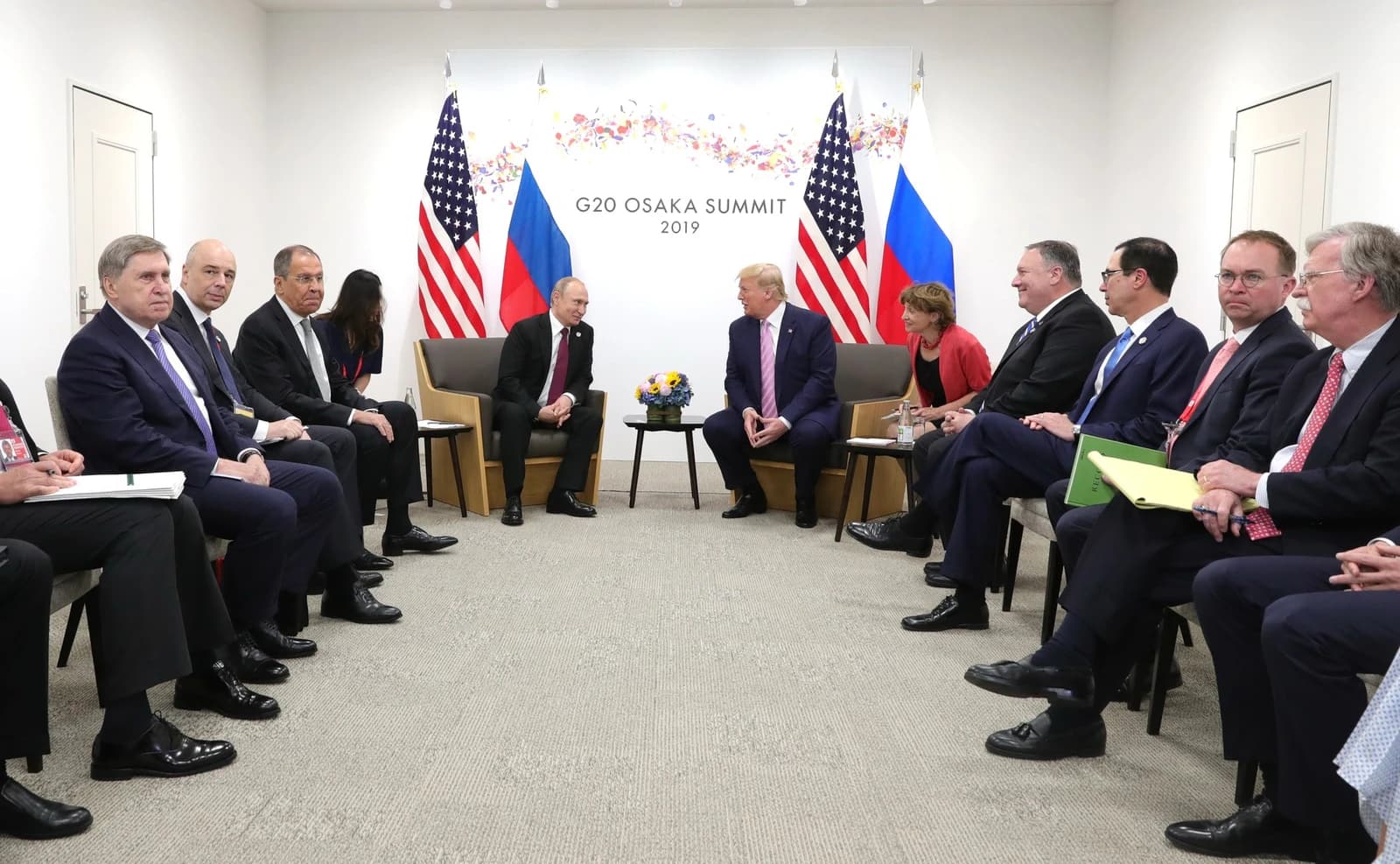
Russia’s foreign ministry has urged foreigners to leave Kiev and military zones, warning that they could become targets of “provocations” and staged incidents similar to Bucha, a move that underscores how the war remains a live geopolitical risk for diplomats, businesses and investors with exposure to Eastern Europe.
Russia urges foreigners to leave Kiev and military zones

The statement, delivered by ministry spokeswoman Maria Zakharova, is economically relevant less for any immediate market shock than for what it says about the persistence of wartime uncertainty around Ukraine’s capital. By framing Kiev as unsafe and accusing the Ukrainian authorities of orchestrating false-flag events, Moscow is trying to shape the narrative around battlefield accountability while also discouraging foreign presence in areas it considers politically sensitive.
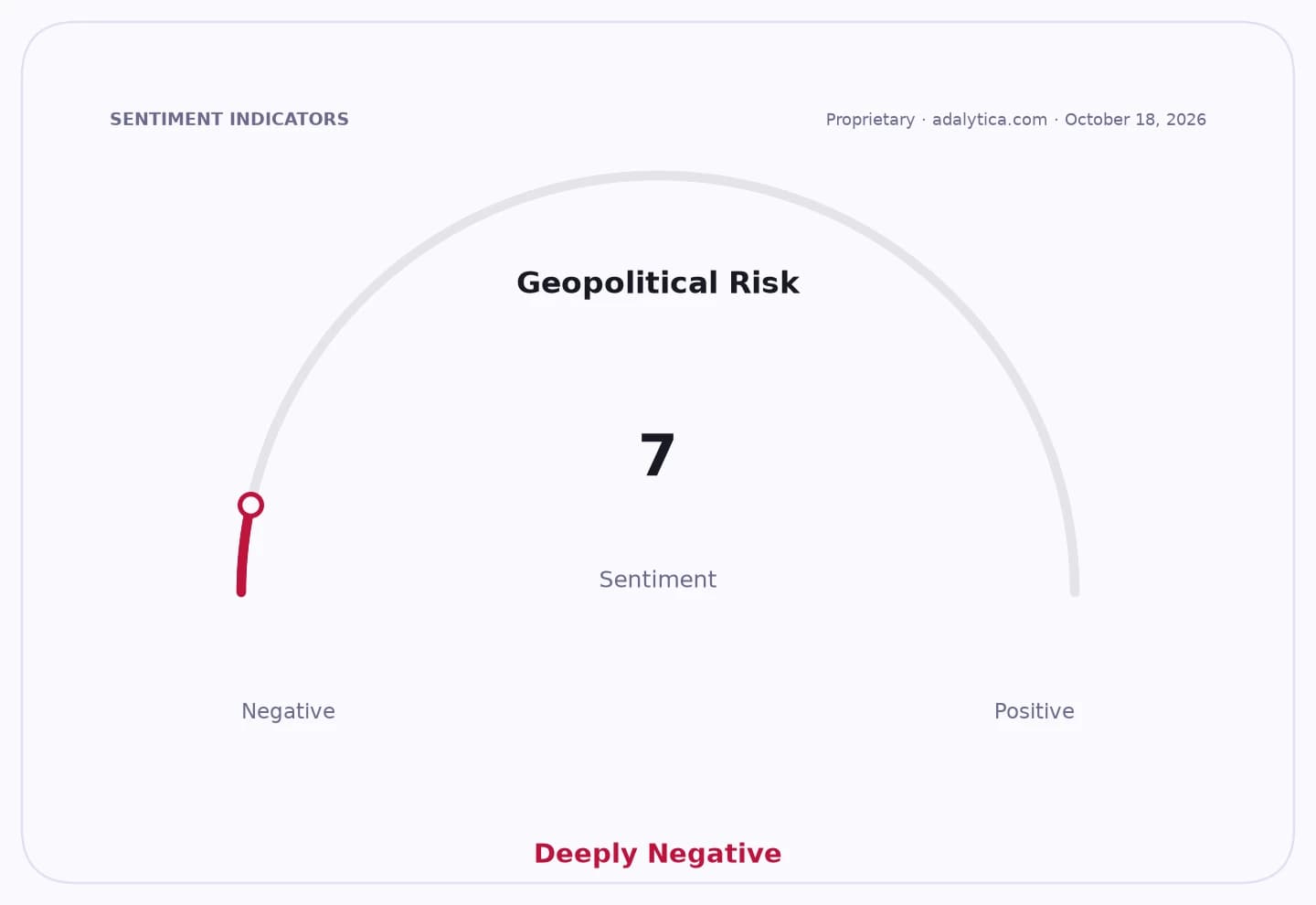
Sentiment IndicatorsⓘProprietary · adalytica.com · October 8, 2026
This is a snapshot — live sentiment, awareness and momentum for 130+ markets update continuously in the dashboard.Open AlphaPulse
For investors, the main issue is not the diplomatic rhetoric itself but the broader risk premium it reinforces across regional assets. Prolonged insecurity in and around Kiev complicates any path toward a negotiated settlement, raises operational costs for companies with personnel on the ground and keeps a ceiling on risk appetite for assets tied to the region. That matters for sovereign credit, insurers, logistics firms, energy-linked supply chains and any business that depends on cross-border movement through Ukraine or neighboring states.
The warning also lands against a backdrop of fragile global stability. Adalytica’s Global Stability Sentiment gauge shows extreme greed at 100 with awareness at just 7, an unusual divergence that suggests markets may be underpricing geopolitical tail risks even as they chase risk assets elsewhere. In that setting, any escalation in rhetoric between Moscow and Kiev can quickly revive defensive positioning, even if it does not immediately change the military balance.
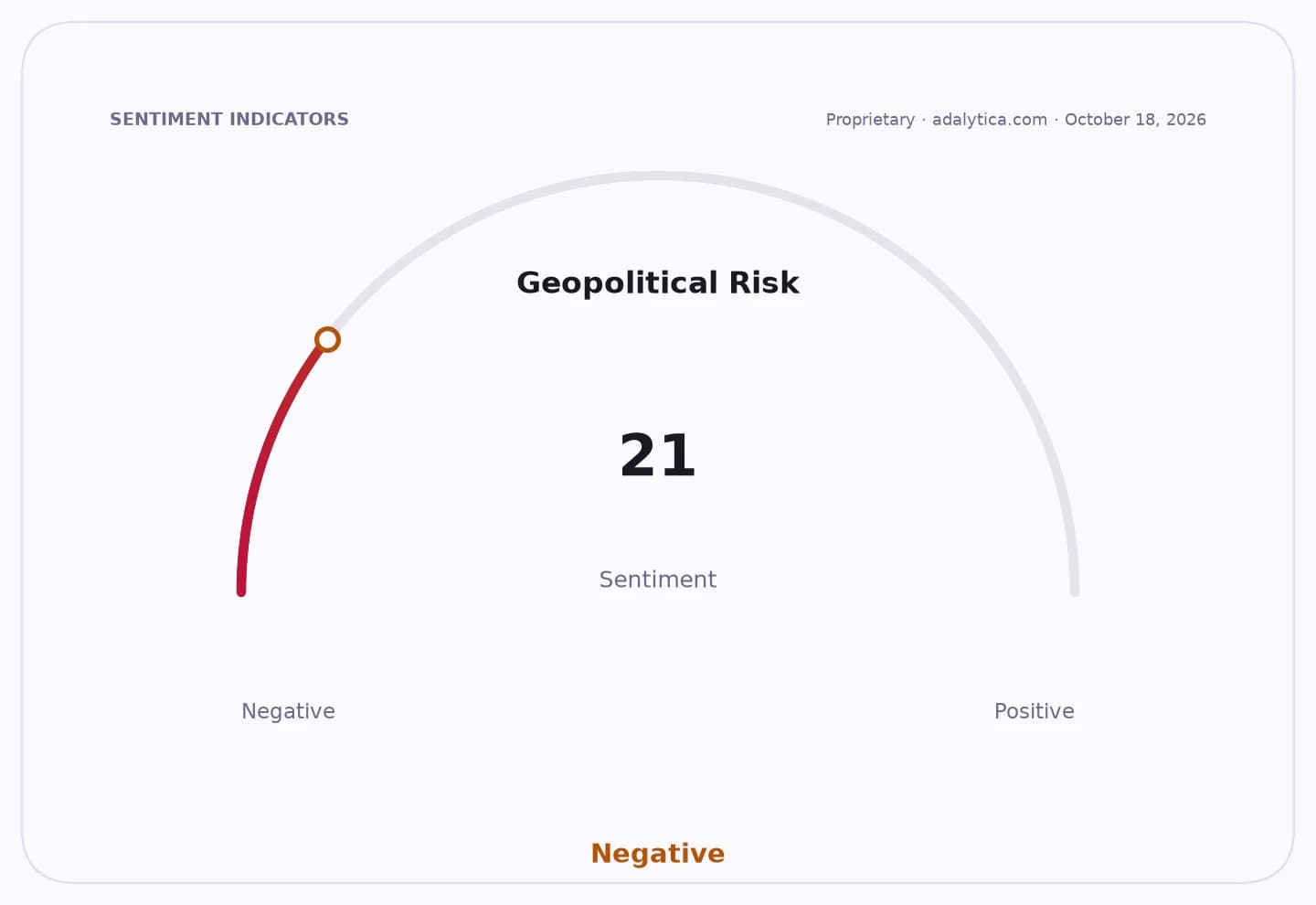
Geopolitical Risk vs EWUadalytica.com
Explore this data interactively — full history, time series and cross-market comparisons.Open AlphaPulse
Russia’s reference to Bucha is especially charged because the 2022 killings there became one of the most consequential propaganda and accountability battles of the war. Moscow has repeatedly denied responsibility and called the footage staged; Ukraine and Western governments have treated the events as evidence of Russian war crimes. Reintroducing that episode now is a way to contest the information war, but it also signals that neither side is moving closer to a shared factual baseline that could support diplomacy.
The market impact is likely to be indirect but persistent. The longer the conflict remains unresolved, the more investors have to price in sanctions risk, disrupted trade routes, periodic spikes in commodity volatility and the possibility of further constraints on capital flows in the region. That may not move broad equity benchmarks immediately, but it keeps a bid under hedges and defense-related positioning while limiting the case for aggressive re-risking into Eastern Europe.
For now, Moscow’s warning looks aimed at shaping expectations as much as physical behavior. But in a war where narratives and security conditions are inseparable, statements like this can still matter: they remind investors that the Ukraine conflict remains a source of headline risk, policy uncertainty and a standing obstacle to any durable stabilization in regional markets.
| Entity | Gains | Losses |
|---|---|---|
| Russia | ▲Narrative control | ▼Diplomatic credibility |
| Ukraine | ▲International attention | ▼Perception of security |
| Foreign residents in Kiev | ▲Early warning | ▼On-the-ground safety |
| Regional investors | ▲Potential hedging opportunities | ▼Risk appetite, asset stability |