Gasoline prices at Russian filling stations fell in 53 regions in the week of Oct. 13-19, the clearest sign yet that a supply squeeze in the domestic fuel market is beginning to ease after refinery outages and attacks on energy infrastructure disrupted availability.
Russia Gasoline Prices Fall in 53 Regions
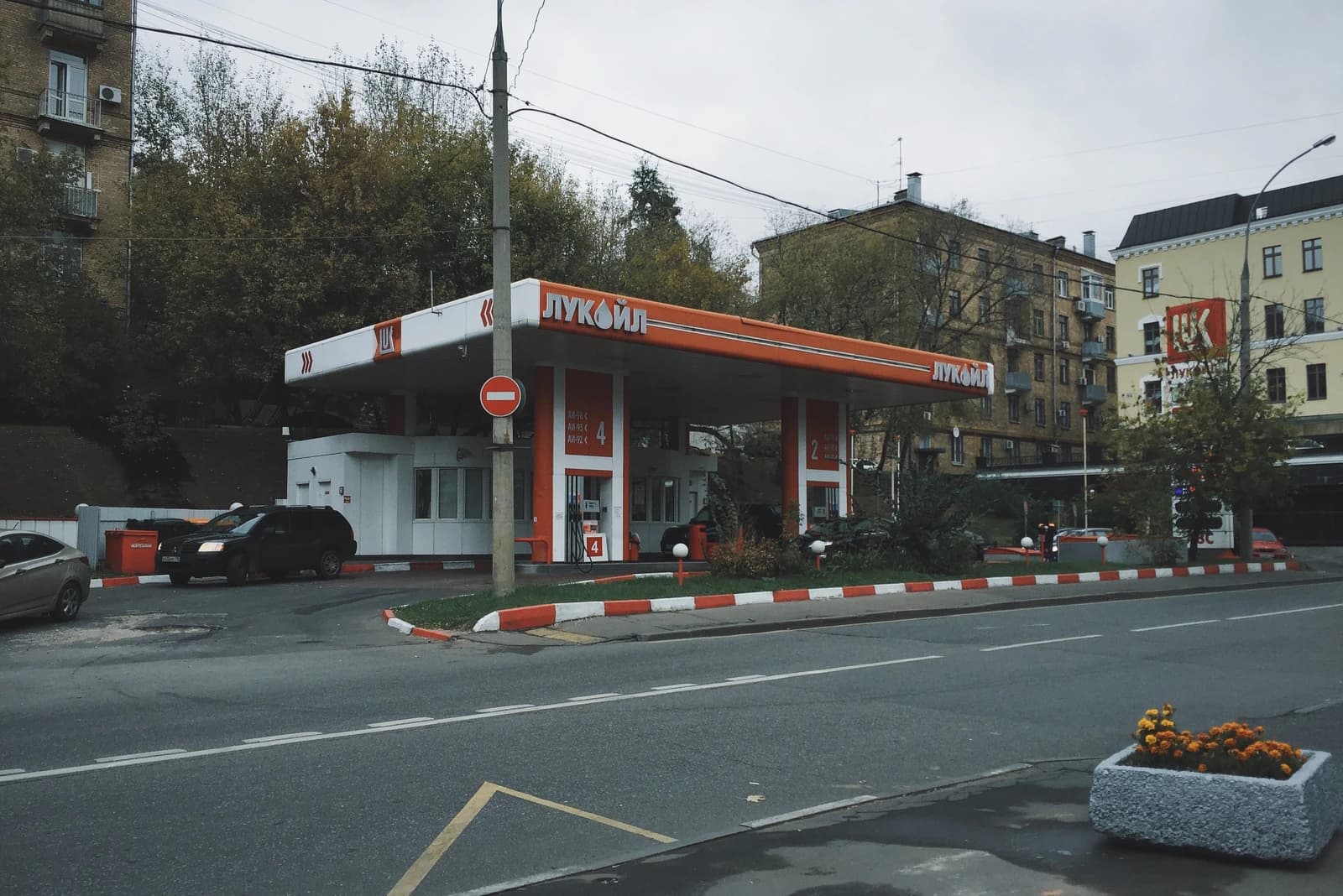
The decline matters because fuel is a politically sensitive input across Russia’s economy, feeding directly into transport costs, consumer inflation and regional price disparities. A broad-based drop across more than half the country suggests recent refinery repairs and restarted units are improving product supply, even if the market remains vulnerable to fresh disruptions.
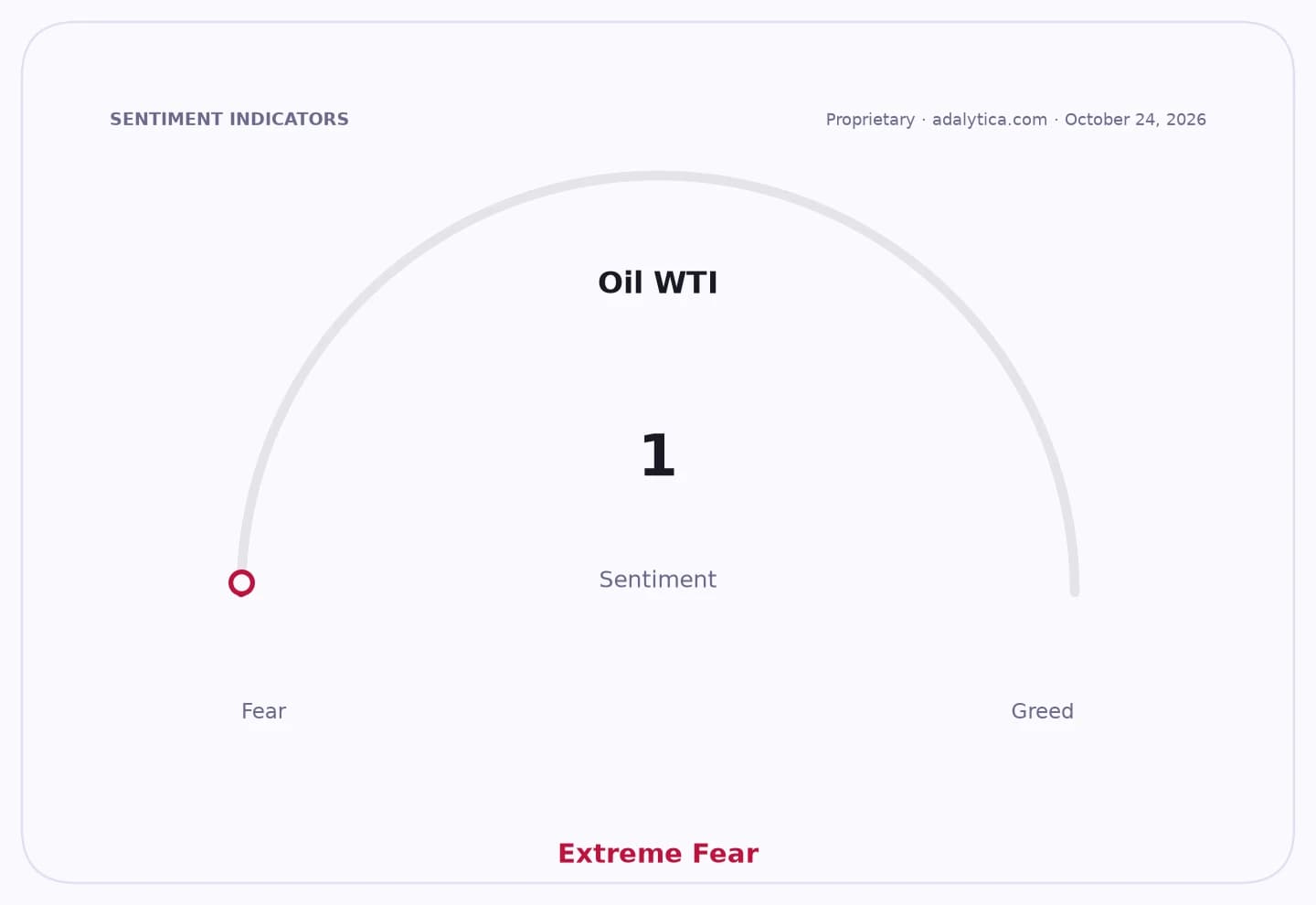
Sentiment IndicatorsⓘProprietary · adalytica.com · October 27, 2026
This is a snapshot — live sentiment, awareness and momentum for 130+ markets update continuously in the dashboard.Open AlphaPulse
Rosstat data showed the sharpest weekly drop in Kurgan region, where gasoline fell 8.03%, and in Ingushetia, where it was down 7.64%. Prices also slid 5.2% in Tambov region and 4.56% in Vologda. In Sevastopol, Sverdlovsk, Kaluga and Kostroma regions, fuel was more than 3% cheaper than a week earlier. Another five regions — Mari El, Khakassia, Smolensk, Ivanovo and Vladimir — saw declines of more than 2%.
The data point to a market that is normalizing, but unevenly. Prices fell more than 1% in 17 regions and by less than 1% in 23 more, indicating relief is still patchy rather than uniform. That matters for inflation expectations: while lower gasoline prices can help contain local price pressure, the volatility of fuel costs makes it harder for policymakers to claim a lasting disinflation trend.
Deputy Prime Minister Alexander Novak said Russia’s fuel situation is “significantly better” than a month ago, adding that some refineries have returned to work after maintenance. He also warned that the outlook still depends heavily on attacks against energy infrastructure. That leaves the market in a fragile balance: repaired capacity is easing shortages now, but any renewed disruption could reverse the trend quickly.
For investors, the bigger message is that Russia’s fuel market is still operating under stress, but the immediate risk of a deeper domestic gasoline crunch has diminished. Lower station prices may reduce pressure on consumers and regional businesses, while also pointing to improving refinery throughput. But the fact that government officials are still linking the outlook to energy security underscores that supply remains exposed to geopolitical risk rather than settled by fundamentals alone.
The next focus will be whether the price declines spread further in coming Rosstat releases or whether they stall if refinery restarts fail to offset new damage. For now, the data suggest the domestic gasoline market is cooling, not stabilizing.
| Entity | Gains | Losses |
|---|---|---|
| Russian consumers | ▲Lower pump prices | ▼Less immediate inflation relief if volatility returns |
| Regional businesses | ▲Cheaper transport fuel | ▼Planning uncertainty from uneven pricing |
| Russian refiners | ▲Higher throughput after repairs | ▼Exposure to outage and attack risks |
| Government / policymakers | ▲Easier short-term price pressure | ▼Pressure to ensure supply stability |