Russia’s central bank says its gold sales are being driven by budget-rule operations and coin production, clarifying a run of selling that made it the world’s biggest net gold seller in July and has trimmed its reserves by 50 tons since the start of the year.
Russia central bank says gold sales are budget-driven
Governor Elvira Nabiullina said the decline in holdings is mostly linked to Finance Ministry operations involving the National Wealth Fund under Russia’s fiscal rule, while some metal is also used to mint coins. She said the bank would not disclose further details of its gold transactions.
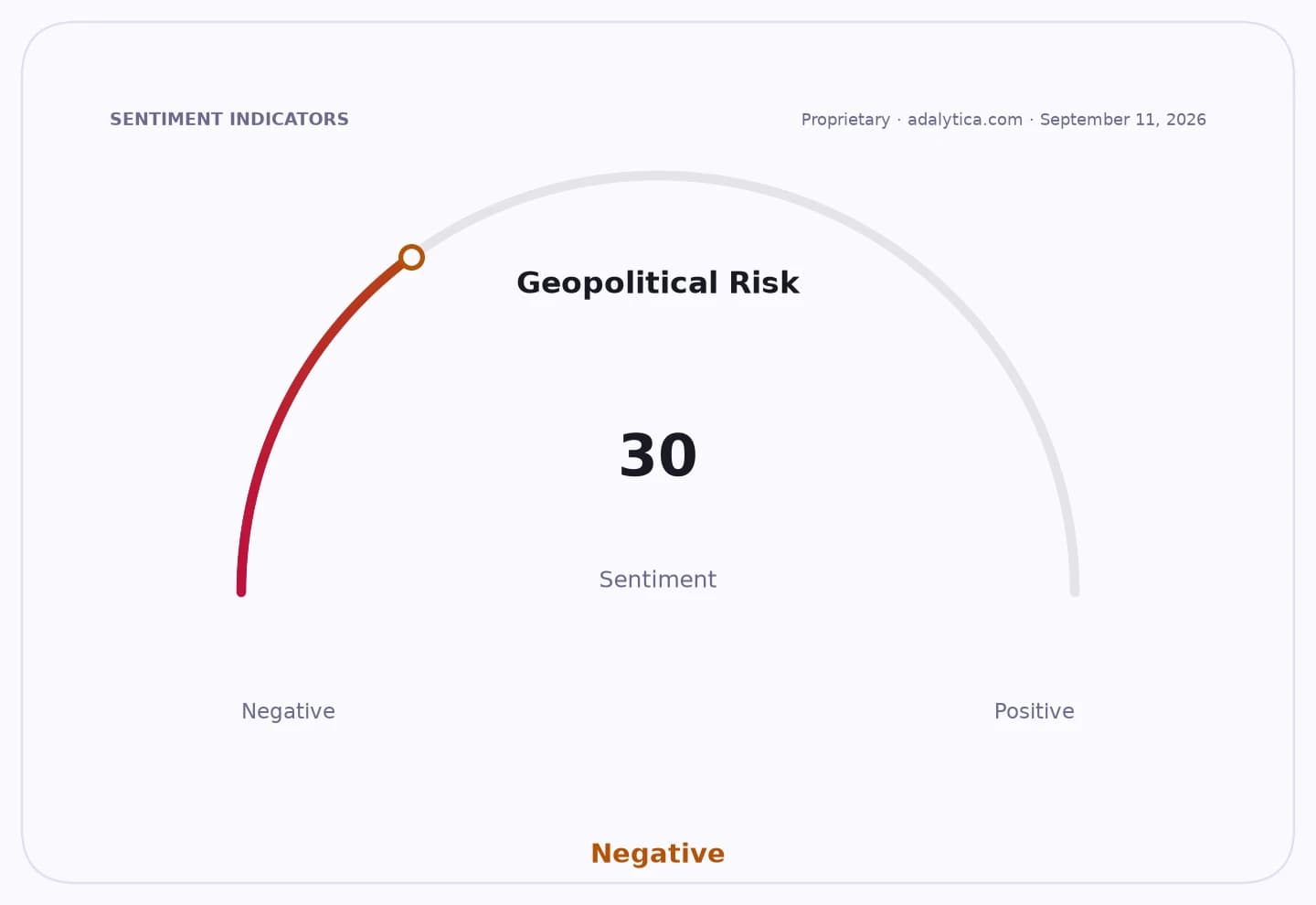
Sentiment IndicatorsⓘProprietary · adalytica.com · September 13, 2026
This is a snapshot — live sentiment, awareness and momentum for 130+ markets update continuously in the dashboard.Open AlphaPulse
The explanation matters because Russia has long been one of the world’s largest official gold holders, and state-sector selling can add supply to a market where bullion is already sensitive to shifts in sovereign demand, real yields and geopolitical stress. The World Gold Council said the central bank sold 6 tons in July alone, making it the largest net seller among global regulators that month.
Russia’s reported gold reserves now stand at about 2,277 tons, down from earlier this year, but the scale of the stockpile still makes the country a major player in official-sector gold flows. For investors, that can affect the tone in bullion and gold-backed funds, including vehicles such as GLDM and IAU, which tend to track changes in the metal’s price.
Gold prices have been volatile as traders balance safe-haven demand against higher U.S. Treasury yields and a firm dollar. The 10-year Treasury yield was last at 4.95%, while gold futures were trading around $4,408.90 an ounce, after recent swings that kept the metal near elevated levels.
For markets, the key question is whether Russia’s sales are a one-off fiscal adjustment or part of a broader shift in official reserves management. Any further selling would add to an already unsettled bullion backdrop, even as weak retail demand in parts of Asia shows consumer buying is not fully offsetting institutional flows.
| Entity | Gains | Losses |
|---|---|---|
| Russia Finance Ministry | ▲Fiscal-rule funding | ▼Larger gold stockpile |
| Central Bank of Russia | ▲Budget flexibility | ▼Reserve holdings |
| Gold buyers and bullion traders | ▲Extra supply at times | ▼Higher prices from scarcity |
| Gold-backed ETFs | ▲Trading interest on volatility | ▼Persistent price support |