Russia is being pushed deeper into a sanctions regime that is no longer just a diplomatic inconvenience but a structural economic drag, and Dmitry Medvedev’s call for Moscow not to hesitate in speaking out against countries imposing penalties underscores how entrenched the standoff has become.
Russia sanctions keep support under gold and energy
That matters because sanctions are not only constraining Russian capital and trade flows; they are also keeping geopolitical risk elevated across energy and safe-haven markets. The latest rejection by an EU court of Roman Abramovich’s bid to lift sanctions shows the pressure is likely to persist, while Moscow’s own rhetoric signals there is little appetite for compromise. In market terms, that combination keeps a floor under commodities tied to instability and a ceiling on any meaningful rerating of Russian assets.
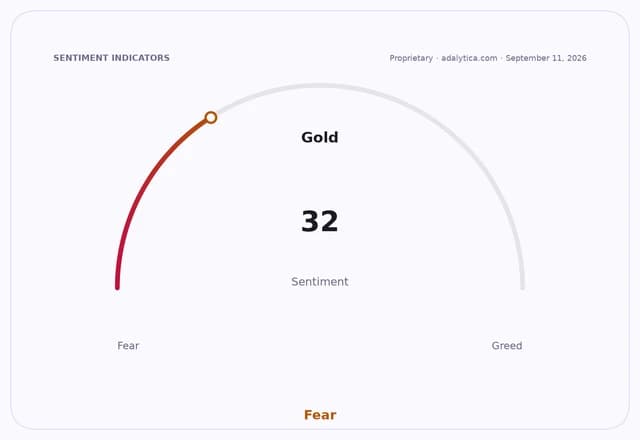
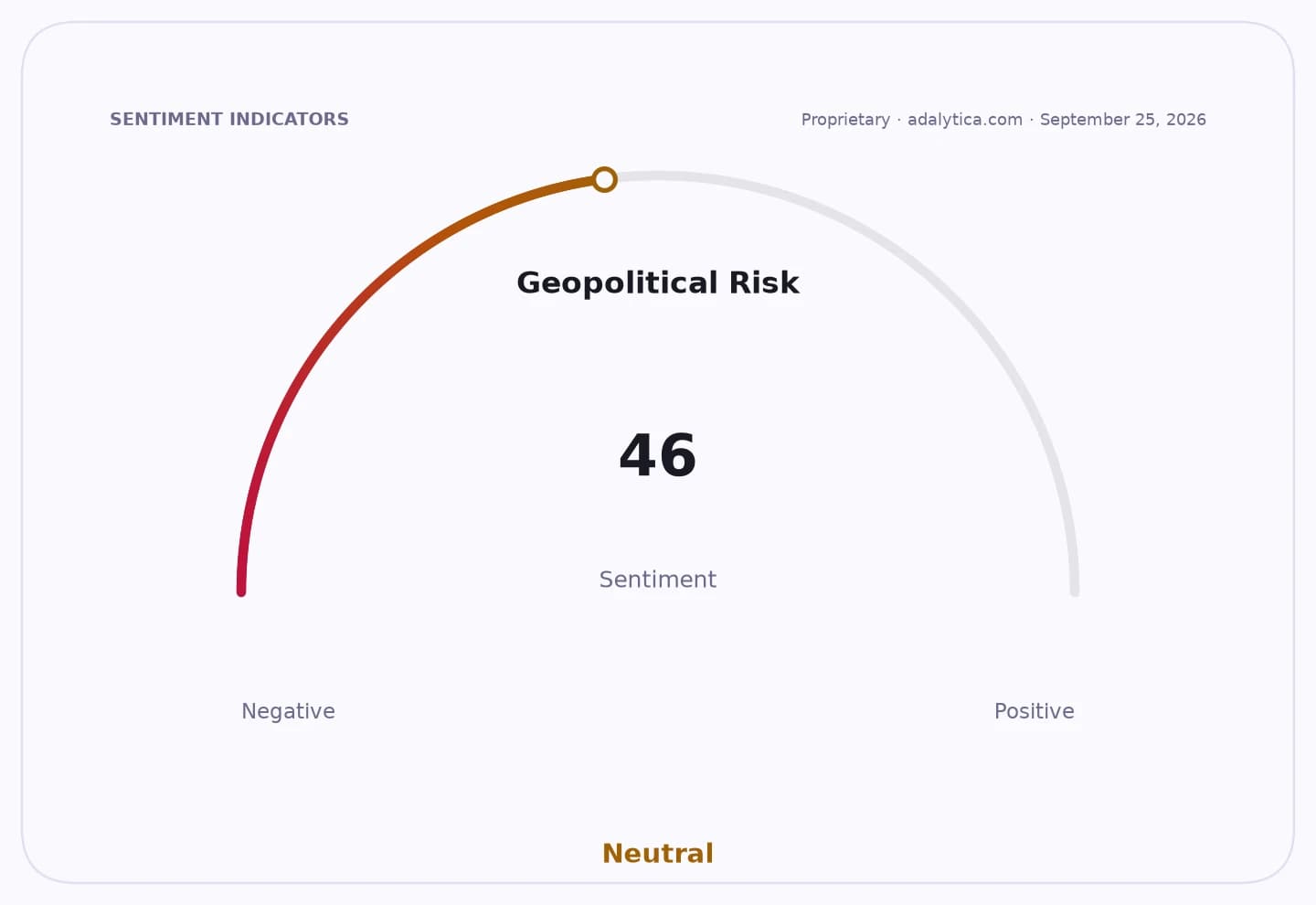
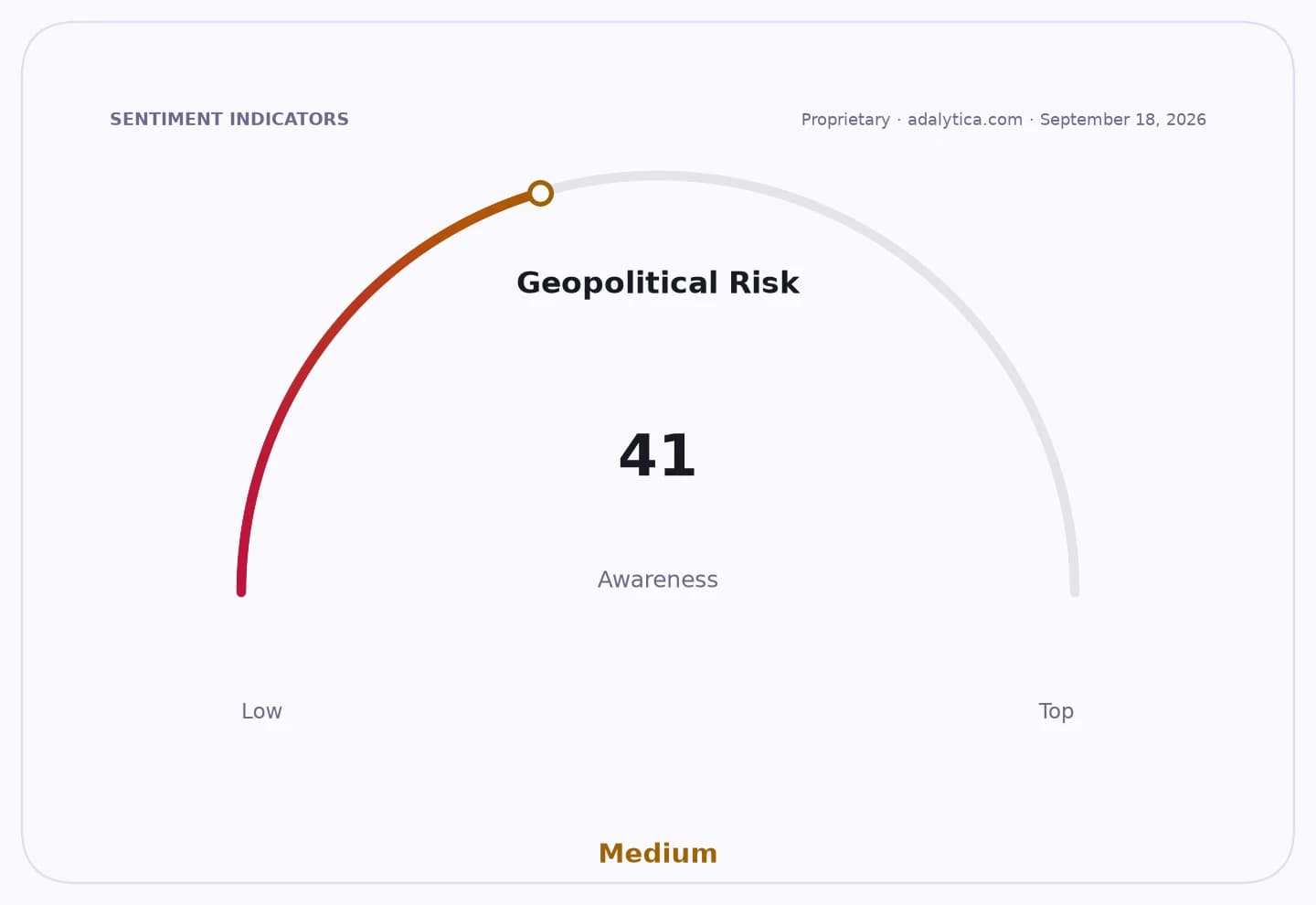
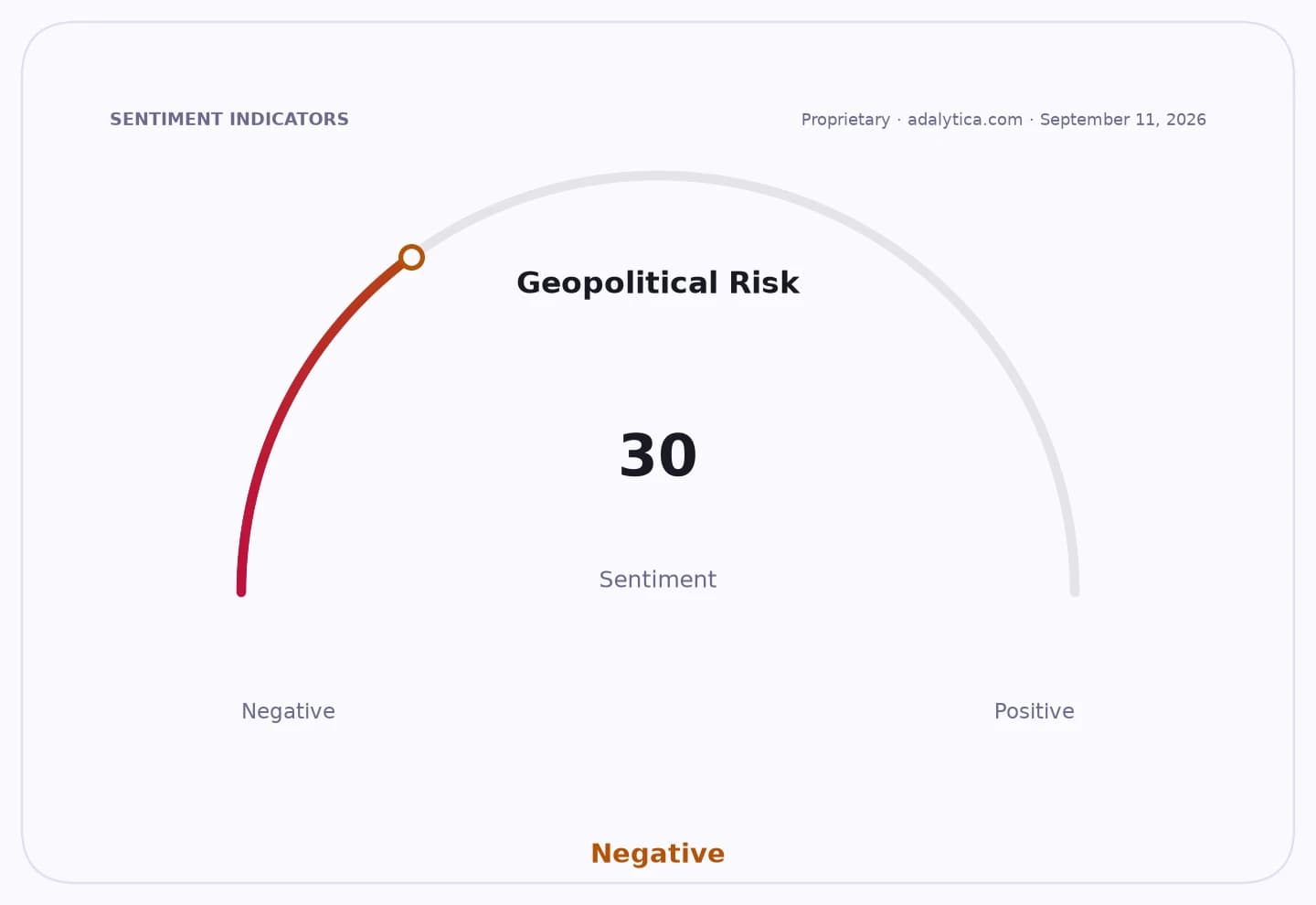
Investors are already voting with their positioning. Gold remains in a defensive posture even after its recent surge, with GLD trading at $396.36 on Sept. 10, below its 50-day moving average of $390.65 but still well under the kind of panic pricing that would imply full de-risking. Adalytica’s Global Stability Sentiment gauge has fallen to 30, a fear reading, while its Gold Fear & Greed Index shows extreme fear in the underlying awareness measure. That is the kind of backdrop that keeps bullion relevant as a portfolio hedge rather than a momentum trade.
Energy is the other obvious beneficiary. XLE closed at $64.93, above both its 50-day average of $59.89 and its 200-day average of $54.69, with the RSI at 57.7 and the ETF still supported by the market’s unwillingness to assume sanctions risk will fade quickly. Even without a direct spike in crude, the strategic premium on supply security remains embedded in energy names, especially those leveraged to a world where Russian exports remain politically constrained and Western policy makers keep ratcheting up enforcement.

The broader narrative is simple: sanctions are no longer a temporary overlay on the Russia story, they are part of the investment regime. That keeps Russian assets unattractive, reinforces demand for energy and hard-asset hedges, and supports the case for owning producers, integrated oil majors and gold as geopolitical insurance. If the West moves toward another round of penalties, or Russia answers with harsher rhetoric or countermeasures, the market is likely to see a fresh bid for defensive commodities and a further discount applied to anything exposed to Russian risk.
| Entity | Gains | Losses |
|---|---|---|
| Gold / GLD | ▲Safe-haven demand | ▼Risk appetite |
| Energy stocks / XLE | ▲Geopolitical premium | ▼Sanctions easing trade |
| Western sanctioning countries | ▲Pressure on Moscow | ▼Higher input and energy costs |
| Russian assets | ▲None | ▼Capital access, valuation |