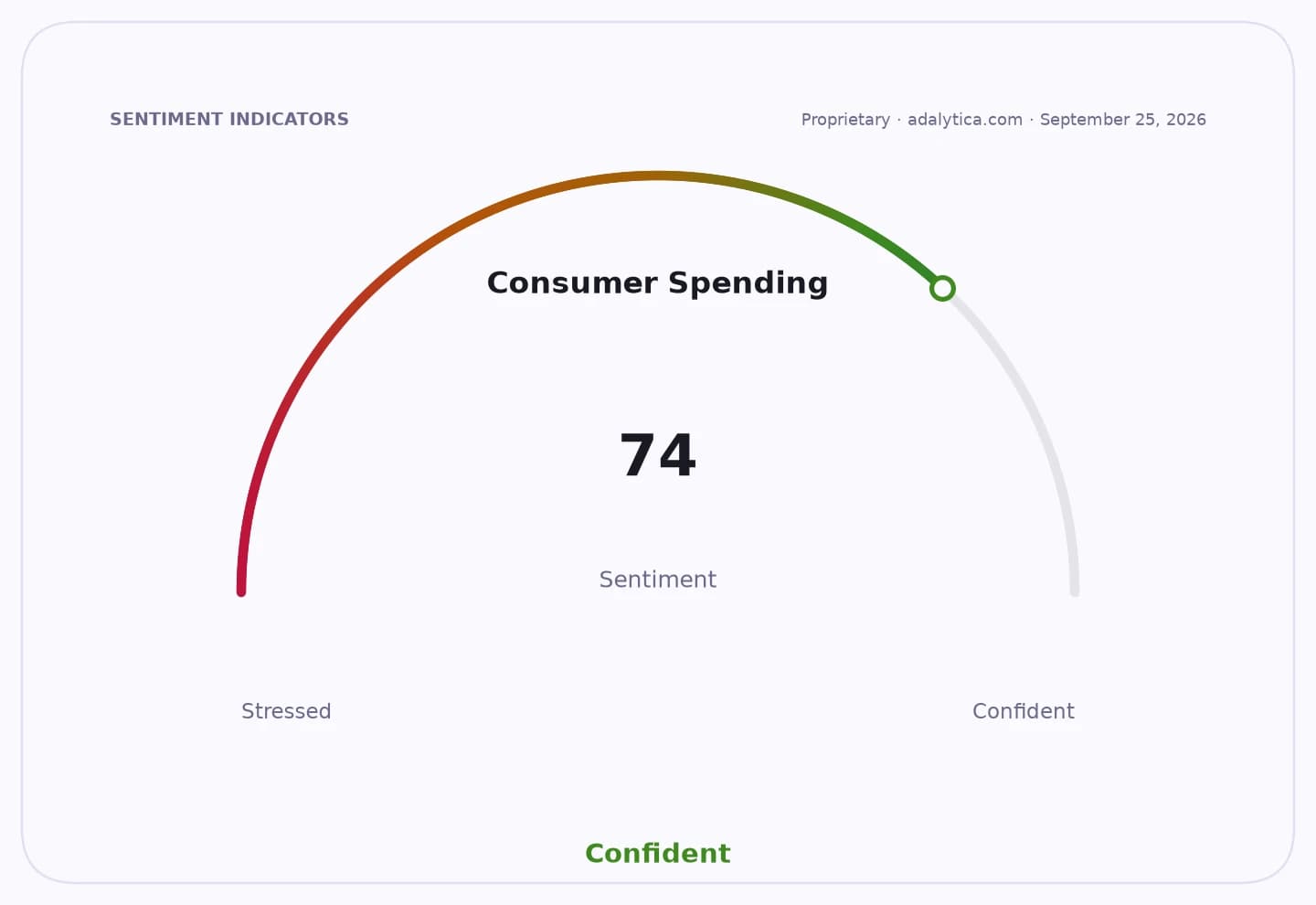
Russia’s inflation fight is entering a more difficult phase, and the next stage of targeting is likely to mean keeping policy restrictive for longer rather than chasing a quick return to prewar price stability.
Russia inflation targeting stays restrictive for longer

That matters because the path of inflation, not just the level, is what will determine whether the Kremlin can preserve household purchasing power, stabilize the ruble and keep domestic borrowing costs from becoming a drag on growth. With consumer prices still elevated across major economies and long-term inflation expectations looking fragile, Russia has little room to loosen policy without risking another inflation flare-up.
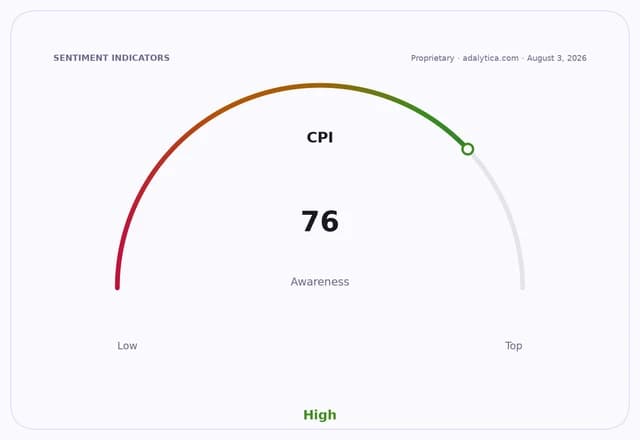
Sentiment IndicatorsⓘProprietary · adalytica.com · August 3, 2026
This is a snapshot — live sentiment, awareness and momentum for 130+ markets update continuously in the dashboard.Open AlphaPulse
The backdrop is unforgiving. The U.S. 10-year Treasury yield is sitting around 4.66%, a reminder that global yields remain structurally higher than the ultra-low-rate era, while the U.S. federal funds rate is still about 3.63%. In Russia, the ruble’s recent trading around 80.19 per dollar underscores how quickly currency weakness can feed into imported inflation and force the central bank to stay vigilant.
For investors, the message is that inflation targeting in Russia is no longer just a technocratic debate. It is becoming a capital-allocation story. A more disciplined regime would support the ruble at the margin, favor exporters with foreign-currency earnings and punish domestic sectors reliant on cheap credit. If policymakers pivot toward a harder anti-inflation stance, banks, consumer lenders and rate-sensitive companies could see funding costs stay elevated even if headline price growth starts to ease.
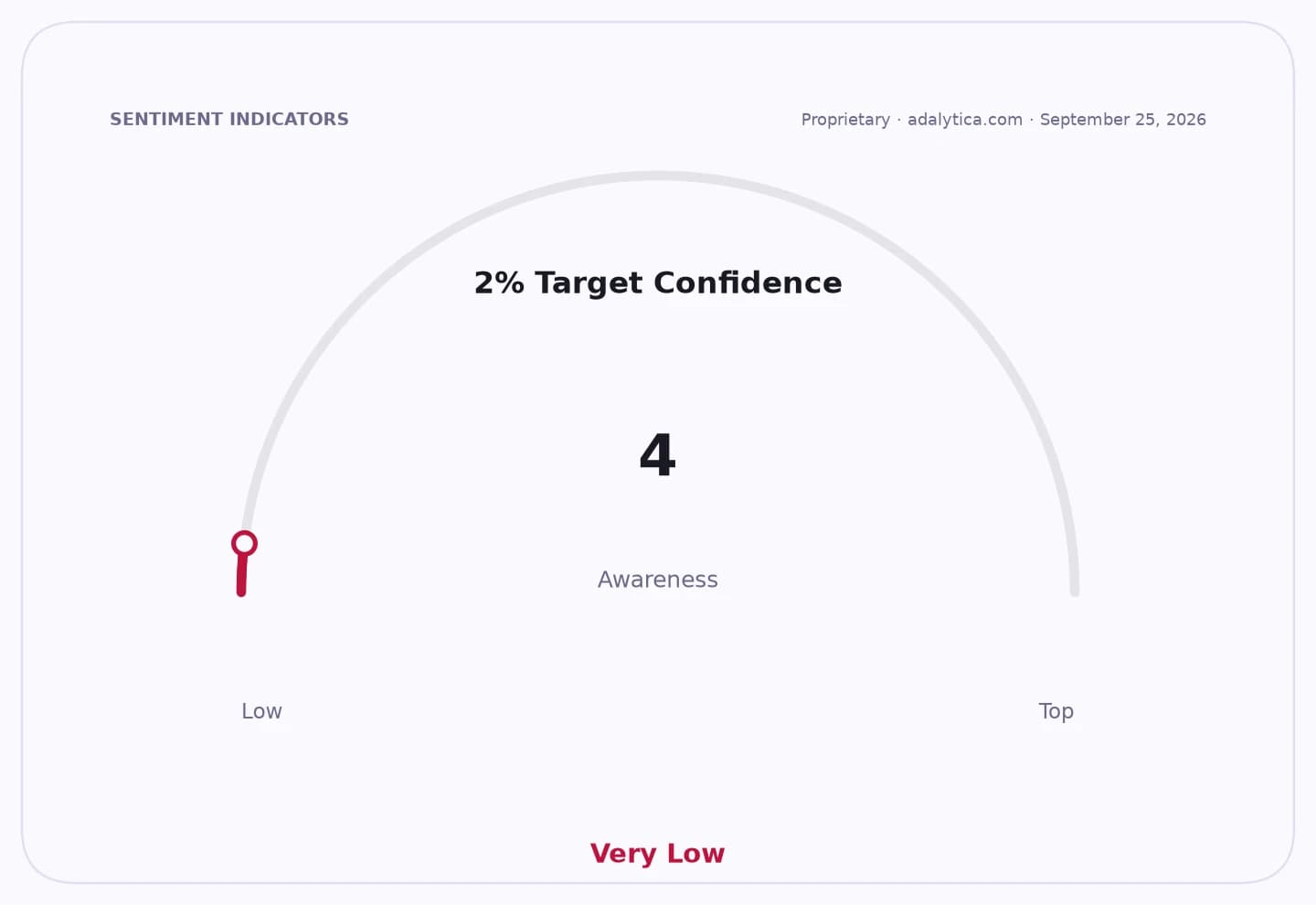
The market is also showing how sensitive positioning has become. Technical indicators on the ruble point to momentum that has recently turned firmer, with the currency trading above both its 50-day and 200-day moving averages and RSI readings still elevated. At the same time, Adalytica’s inflation gauges show severe stress in expectations: the 5-year and 10-year breakeven sentiment snapshots are both in “Extreme Fear,” even as awareness is high. That combination usually signals a market that believes inflation is not yet fully contained.
This is why the “next stage” of inflation targeting in Russia is likely to be more explicit, more rule-based and more focused on credibility than on short-term growth support. The economy’s real constraint is not just price levels but the cost of convincing households, companies and currency markets that inflation will stay subdued. Until that credibility is rebuilt, the central bank’s room to maneuver stays narrow.
For investors, the asymmetric opportunity is to lean into the beneficiaries of a tighter, more orthodox policy mix rather than fight it. Exporters, commodity-linked names and firms with pricing power are better positioned than domestic cyclicals that need easier money. The real trade in Russia is not for faster growth; it is for the assets that can endure a prolonged inflation-targeting reset.
| Entity | Gains | Losses |
|---|---|---|
| Russian central bank | ▲Credibility | ▼Policy flexibility |
| Ruble exporters | ▲FX earnings | ▼Domestic demand exposure |
| Domestic borrowers | ▲— | ▼Higher funding costs |
| Inflation hedges | ▲Demand | ▼Real cash flows |