The U.S. and leading European allies are refusing to pull their diplomats out of Kyiv after Moscow warned foreign missions that staying in the Ukrainian capital could be deadly, underscoring that Russia’s latest threat has so far changed the security posture of embassies less than it has amplified the wider war risk premium.
Russia Kyiv warning as U.S. and EU stay put
Washington said it would decide for itself whether the American embassy is safe enough to remain open, while Germany, Italy, Spain, Sweden, France, Poland, Estonia and the European Union all signaled they are staying in Kyiv. The standoff matters because embassy closures would be a visible sign of deteriorating confidence in the capital’s security and could complicate aid, intelligence sharing and wartime coordination with Ukraine.
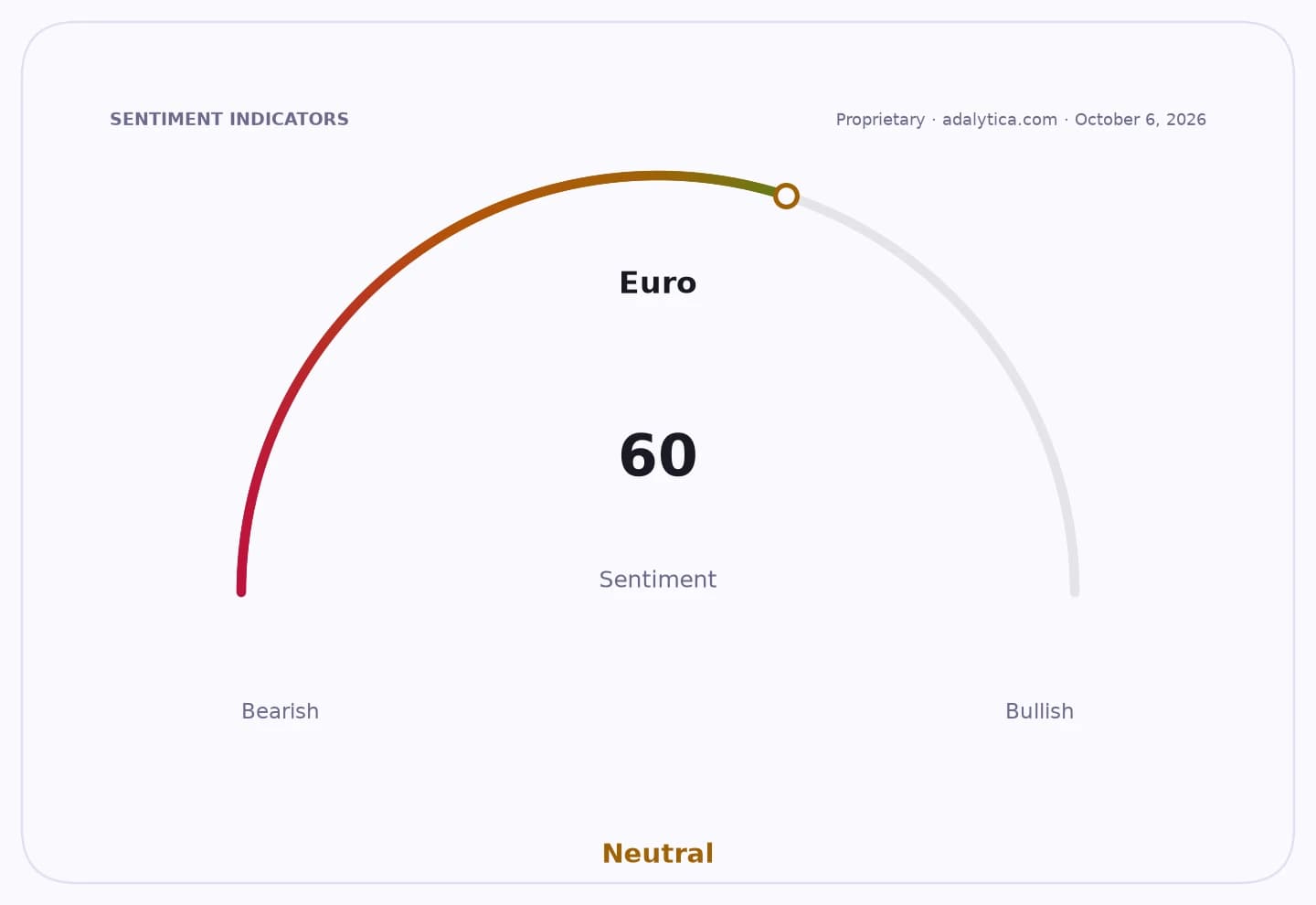
Sentiment IndicatorsⓘProprietary · adalytica.com · October 6, 2026
This is a snapshot — live sentiment, awareness and momentum for 130+ markets update continuously in the dashboard.Open AlphaPulse
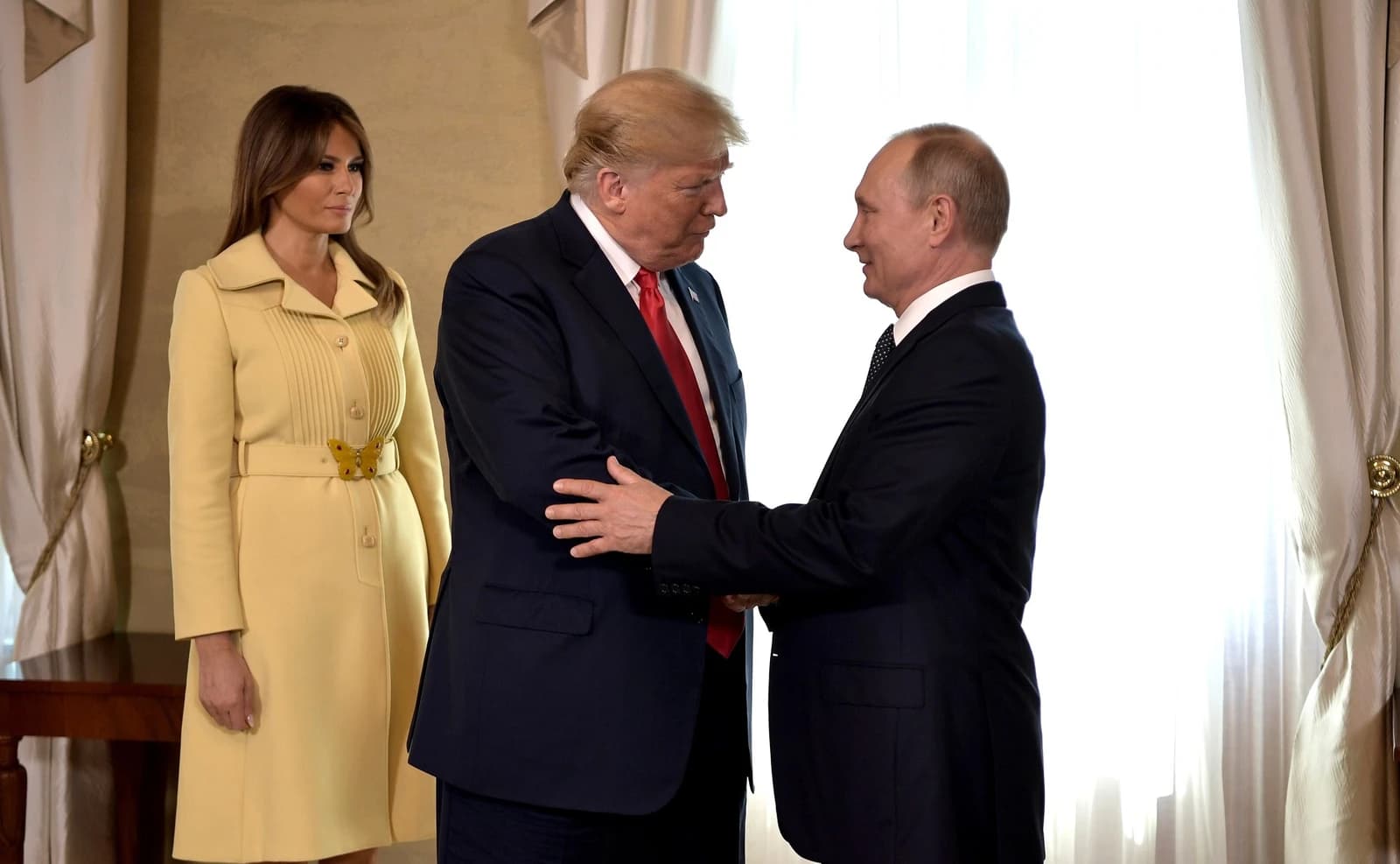
U.S. Secretary of State Marco Rubio dismissed Moscow’s warnings and said the State Department reviews the safety of all U.S. missions daily. “To this point we have not” changed the embassy’s operations in Kyiv, he said, adding that Russia has been warning diplomats to leave for months.
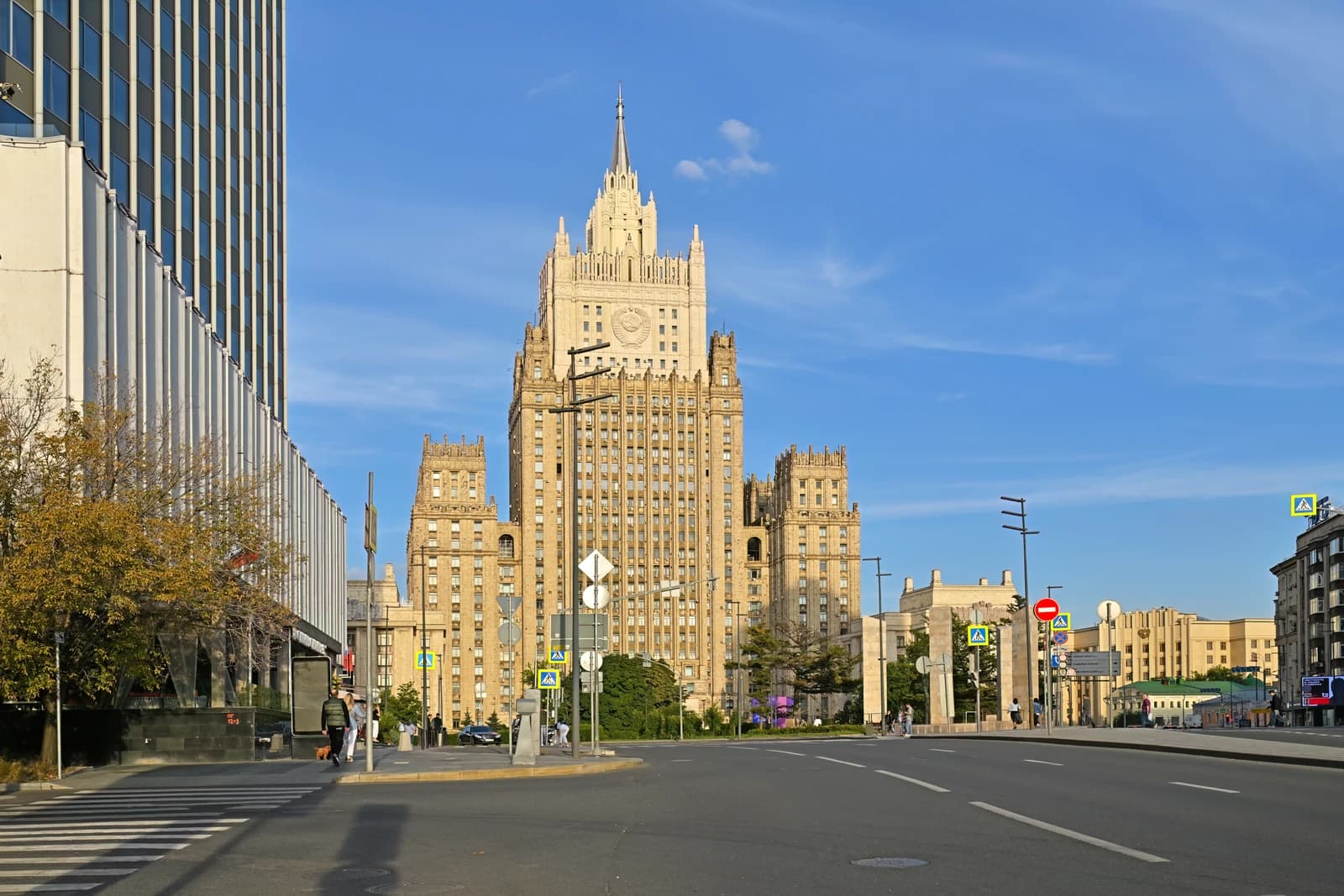
Russia’s foreign ministry last week told foreign nationals and diplomatic staff that remaining in Kyiv was “deadly dangerous,” citing the possibility of new large-scale Russian attacks. The message followed a recent intensification of drone and missile strikes on the city, including attacks on energy, transport and communications infrastructure that have kept the Ukrainian capital under repeated air alerts.
Geopolitical Risk — 30-day sentimentadalytica.com
Explore this data interactively — full history, time series and cross-market comparisons.Open AlphaPulse
For investors, the immediate market effect is less about direct asset exposure than about the broader geopolitical backdrop for Europe, energy and safe-haven flows. Heightened conflict risk typically supports demand for havens such as gold and can weigh on risk-sensitive currencies and European assets if investors start to price in a wider escalation.
The diplomatic pushback also highlights that Western governments are not treating the warning as an indication of an imminent change in battlefield dynamics around Kyiv. The U.S. reopened its embassy in Kyiv in May 2022 after Russian forces withdrew from the north, and Washington has since framed the decision to stay as a function of its own security assessment, not Moscow’s messaging.
The next catalyst is whether Russia sustains the current wave of strikes on Kyiv or broadens them further, which would pressure diplomats, raise insurance and security costs, and test how long Western missions can keep operating at full capacity in the Ukrainian capital.
| Entity | Gains | Losses |
|---|---|---|
| Russia | ▲psychological pressure | ▼diplomatic credibility |
| U.S. and EU missions | ▲operational continuity | ▼higher security risk |
| Gold and other havens | ▲safe-haven demand | ▼risk appetite |
| Ukraine | ▲continued Western presence | ▼heightened strike exposure |