Russia has begun work on securing U.S. visas for its athletes ahead of the 2028 Los Angeles Olympics, a small but economically and politically meaningful step in a relationship where sport often becomes a proxy for broader diplomatic strain.
Russia Starts Visa Work for LA 2028 Athletes
That matters because access to major global events is not just about medals. For Russian athletes, visas determine whether they can compete at all. For the Olympics, it is a test of whether the Games can remain open to all nations despite worsening geopolitical friction. And for investors, especially those watching travel, media and sponsorship ecosystems tied to global sporting events, visa access is one of the practical choke points that can shape participation, audience interest and commercial value years before the opening ceremony.
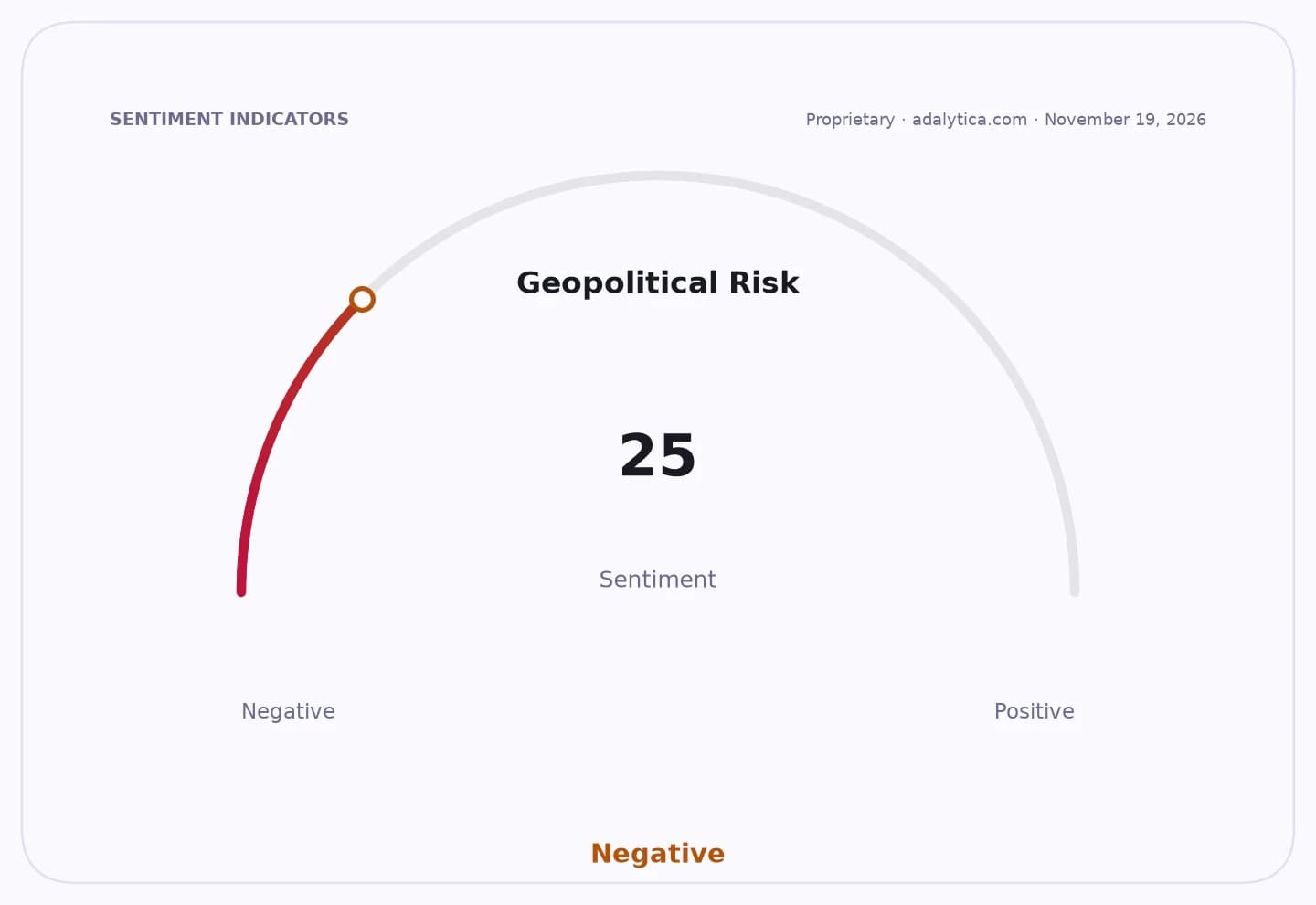
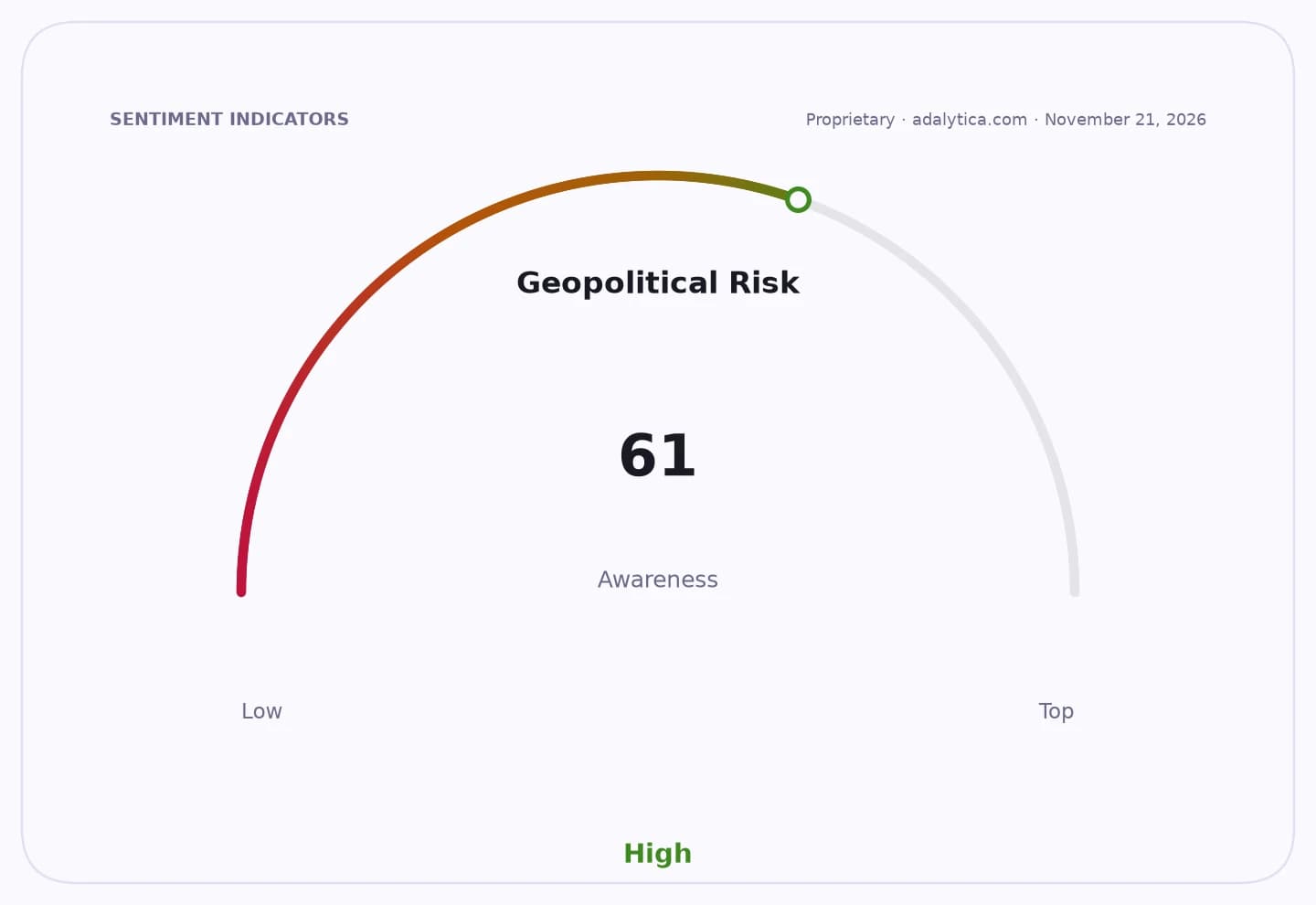
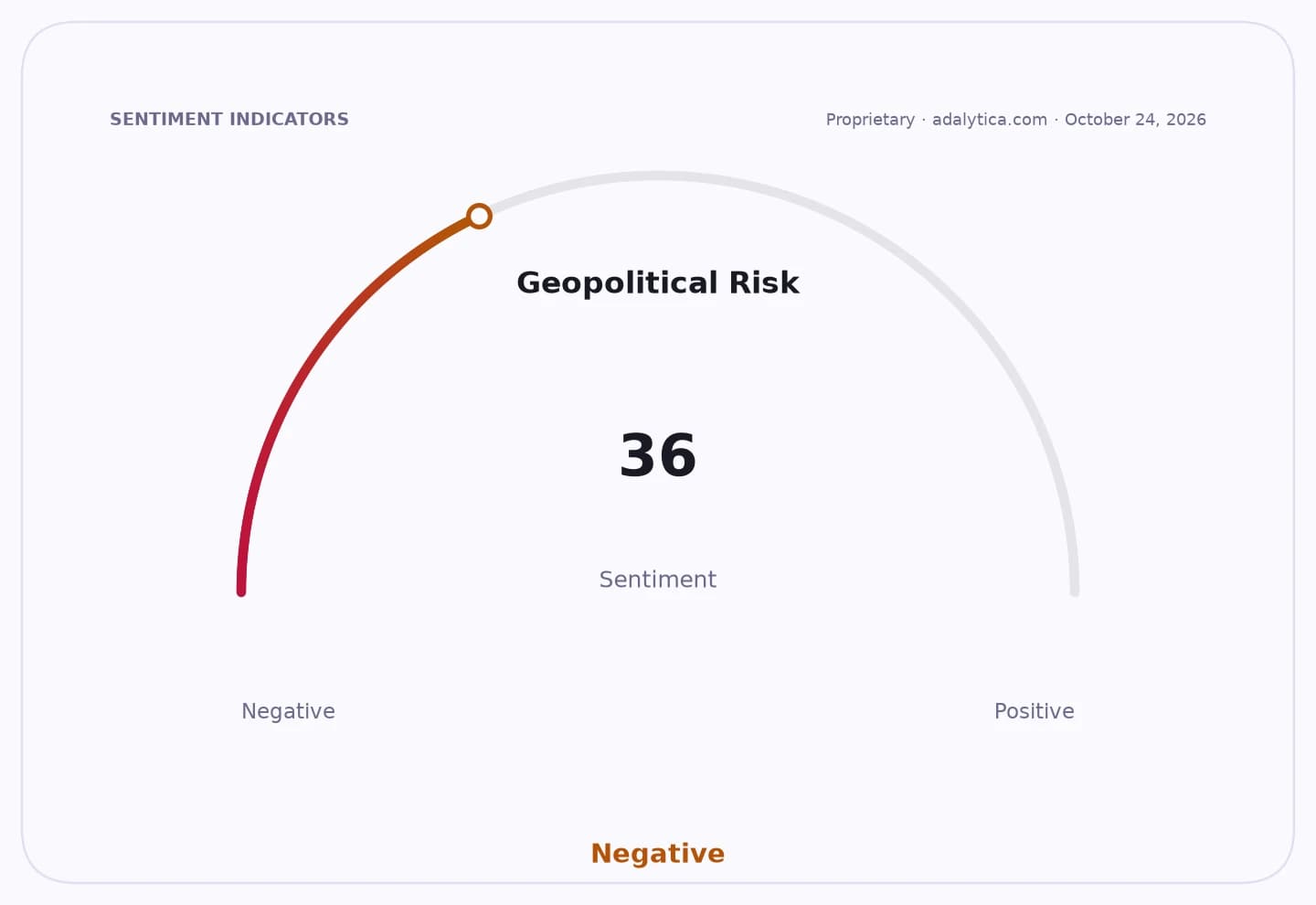
Sentiment Indicators
Maria Zakharova, a spokeswoman for Russia’s foreign ministry, said on Wednesday the ministry had taken up President Vladimir Putin’s instruction to ensure visas for Russian Olympic and Paralympic athletes. The comment followed remarks from Russian Olympic Committee chief Mikhail Degtyarev, who said Moscow would fight both potential boycotts and visa refusals, and singled out Canada for what he called discriminatory actions based on nationality.
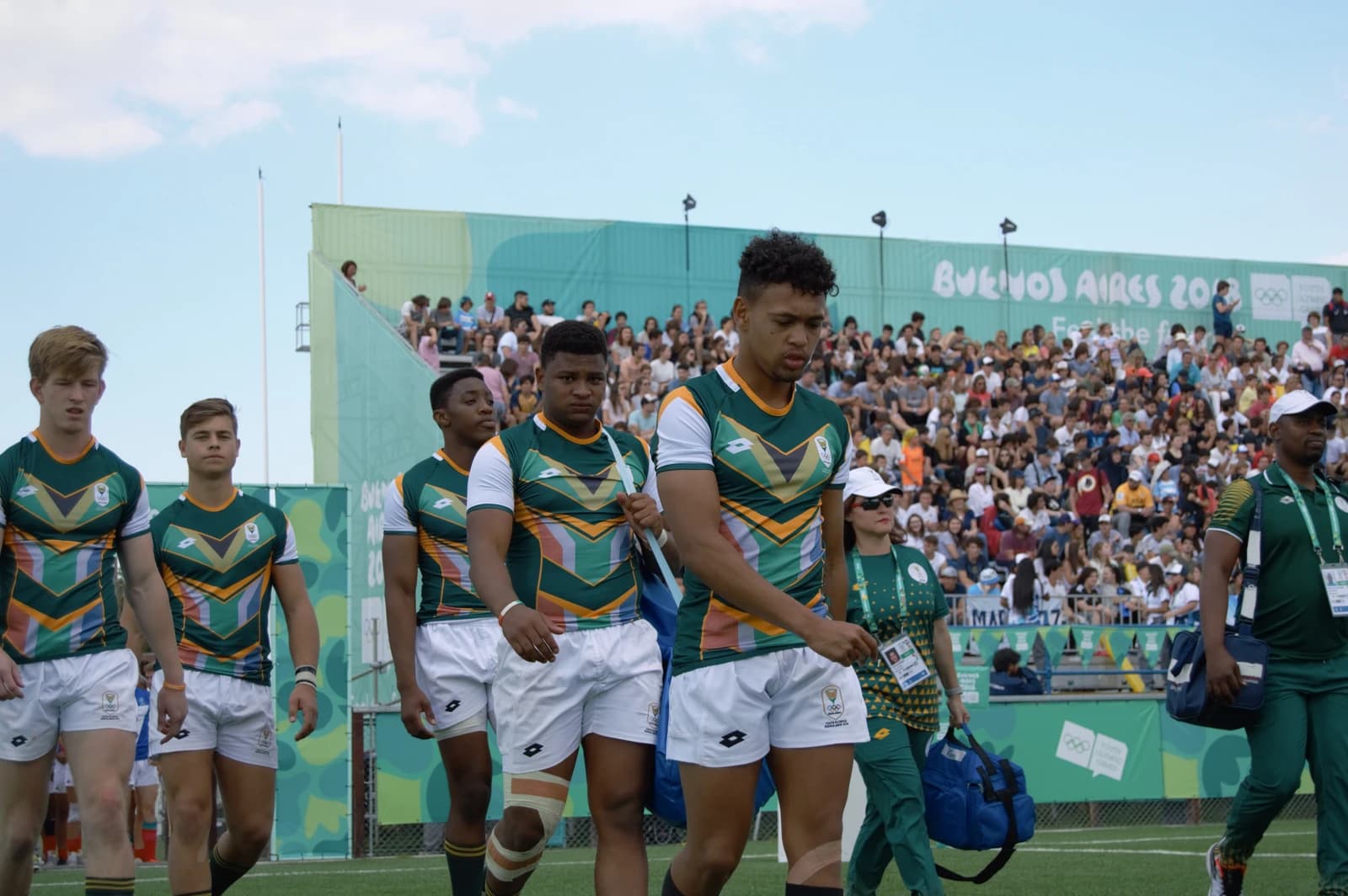
The Los Angeles Games are still nearly two years away, with the Olympics scheduled for July 14 to 30, 2028, and the Paralympics set for Aug. 15 to 27. But the early start to visa diplomacy underscores how much uncertainty surrounds Russia’s path back into the international sporting mainstream. Since the invasion of Ukraine, Russian athletes have faced exclusions, restrictions and heightened scrutiny across many competitions, and every waiver or denial has broader implications for the credibility of global sport governance.
For long-term investors, the immediate financial impact is limited, but the story still matters. A smoother Russian return would support the integrity and global reach of the Olympics, helping protect the value of broadcasting rights, sponsorships and ticket demand. A blocked return, by contrast, would reinforce the fragmentation of international sport and keep geopolitical risk embedded in marquee events that depend on universal participation to maximize commercial appeal.
The bigger narrative is that sport is still hostage to geopolitics. Even routine paperwork like visas can become a battleground, and that leaves athletes, organizers and commercial partners waiting on decisions that sit far outside the field of play. For investors, it is another reminder that the most valuable global events are only as resilient as the politics that surround them.
| Entity | Gains | Losses |
|---|---|---|
| Russian athletes | ▲Potential path to LA 2028 | ▼Risk of visa denials |
| IOC / LA 2028 organizers | ▲Broader field of competitors | ▼More diplomatic friction |
| Sponsors and broadcasters | ▲More complete Olympic lineup | ▼Event uncertainty |
| Boycott advocates | ▲Stronger political leverage | ▼Weaker sporting unity |